
Thailand’s 2026 Economic Vision: Thriving Amid Regional and Global Competition



Explore Thailand's 2026 economic strategy focused on digital transformation, green trade, and SME support, positioning itself to thrive amid regional and global competition.
2026 is a defining year for Thailand’s economy, as the country confronts global challenges like U.S. trade policies and rising competition from ASEAN neighbours. Projections from the Bank of Thailand and the SCB Economic Intelligence Center predict GDP growth of just 1.5% to 1.8%—the weakest in three decades. In response, the Thai government is implementing a comprehensive economic strategy to safeguard against these challenges and strengthen the economy in the long term, combining immediate stimulus efforts with a forward-looking blueprint to elevate the country in the global value chain.

A Coordinated Response to Cushion the Economy
In the face of economic turbulence, the Thai government and central bank have rolled out coordinated interventions to support key sectors—especially SMEs, manufacturers, and exporters—while enhancing liquidity. Key measures include:
- Accommodative Monetary Policy: The Bank of Thailand has reduced the policy rate to 1.25% to ease credit conditions, stimulate investment, and reduce debt burdens for businesses and households.
- Targeted SME Support: A $60 million relief package from the Office of Small and Medium Enterprises Promotion (OSMEP) is helping SMEs through disaster relief, long-term competitiveness upgrades, and market expansion funding. These measures provide critical short-term relief while helping businesses transition to a more competitive future.


Forging a ‘New Chapter’ in Global Trade and Investment
To combat risks of premature deindustrialisation and secure Thailand’s position in a redefined global economy, the government is executing a long-term pivot. The strategy includes:
- Digital Economy Leadership: By chairing ASEAN’s Digital Economy Framework Agreement negotiations, Thailand aims to establish itself as a digital hub, shaping regional trade rules and bridging gaps between policymakers and the private sector.
- Championing Green Trade: Thailand is adopting international ESG standards, with the Stock Exchange of Thailand aligning with FTSE Russell’s ESG criteria to signal commitment to sustainability and attract global investors.
- A Global Food Security Partner: Thailand seeks to enhance its agricultural sector by leveraging technology and sustainability to become a key player in global food supply chains.
This strategy is being reinforced by the Eastern Economic Corridor (EEC), which has attracted foreign investment in industries such as EV mobility, precision medicine, and digital infrastructure, positioning Thailand as a hub for sustainable innovation.

Navigating the Dynamic ASEAN Landscape
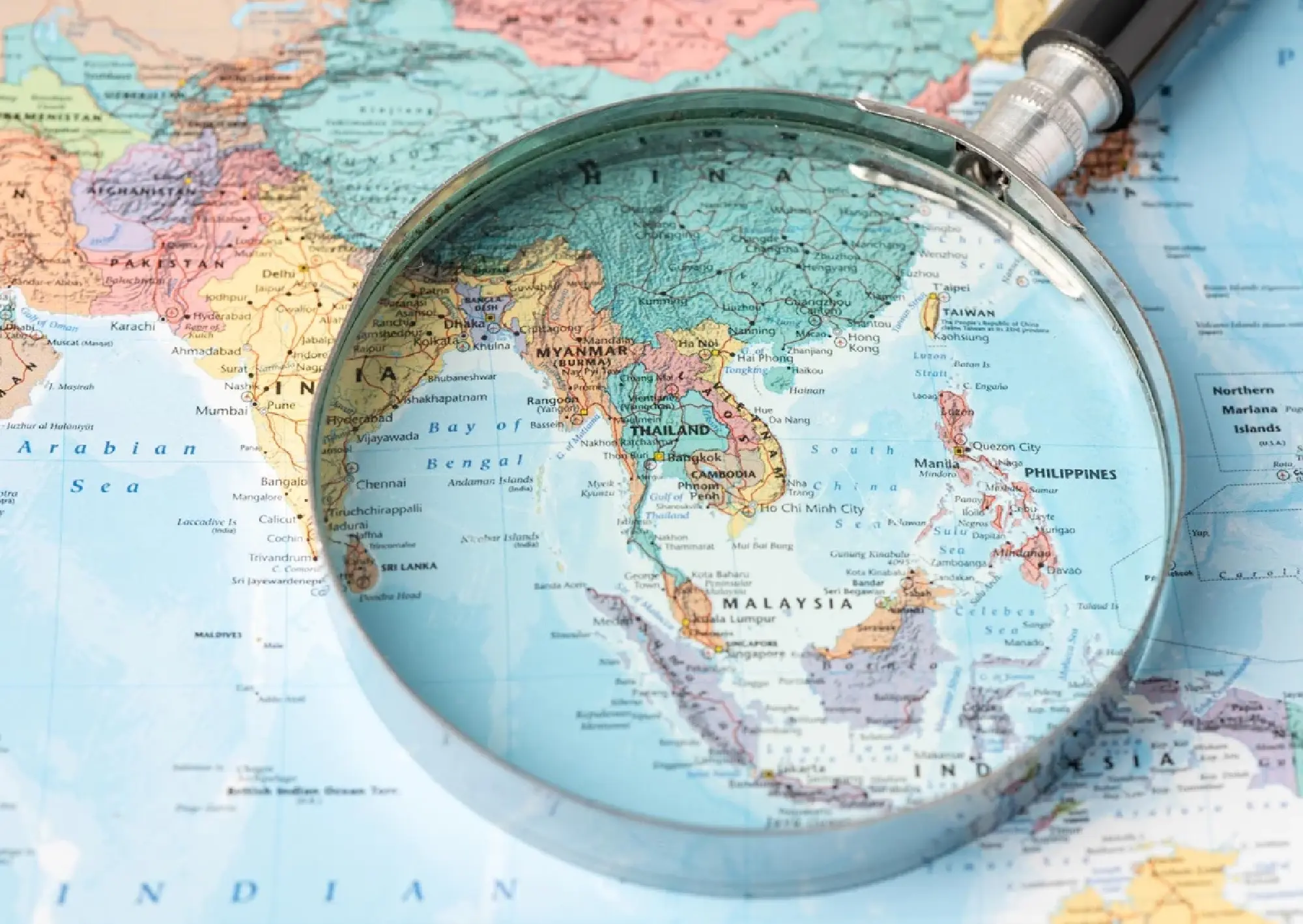
Amid intense competition from fast-growing economies like Vietnam, Thailand is pivoting away from low-cost, high-volume manufacturing. Instead, it is focusing on building a competitive advantage through its inherent strengths:
- Neutral and Trusted Partner: Thailand’s reputation for neutrality and stability makes it an attractive investment destination, especially in a time of geopolitical tensions.
- Regulatory Predictability: With a mature legal framework and a history of policy continuity, Thailand offers investors the certainty they require for long-term investments.
- Central Logistics Hub: The country’s strategic location and advanced infrastructure, particularly within the EEC, position Thailand as the region’s logistics hub, connecting the Greater Mekong Subregion to global markets.

Building Resilience for a Prosperous Future
Thailand’s proactive economic strategy in 2026 is focused on adapting to global economic challenges. By offering immediate support to vulnerable sectors while focusing on long-term transformation, the government is reshaping the country’s economic trajectory. Thailand’s forward-looking approach, combining digital, green, and high-value industries, will ensure its continued role as a resilient and competitive economic force in Southeast Asia.
SOURCE: www.thailand.go.th
