
Investors sure of renewed Thai growth: BoA exec


Play
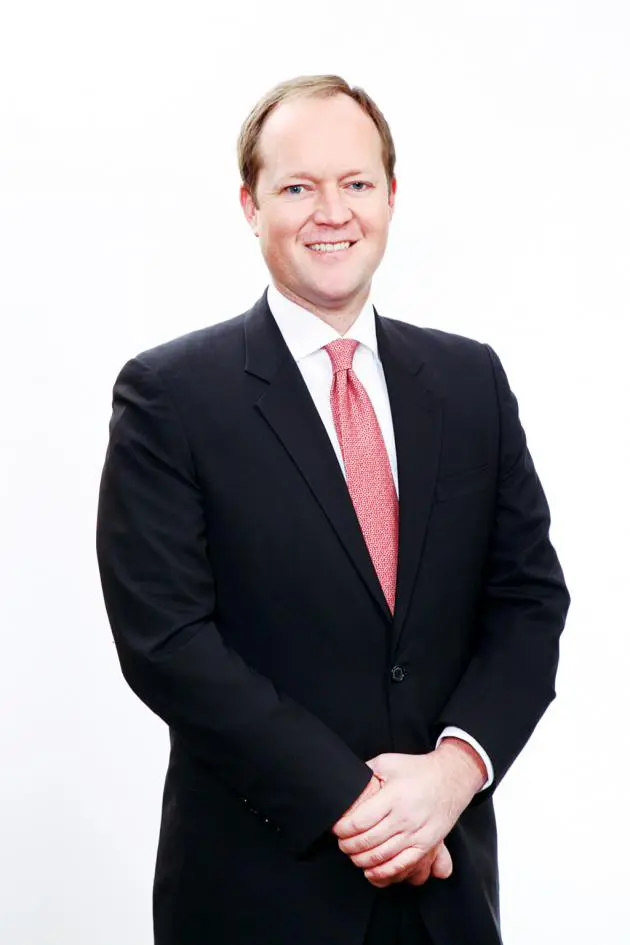
Investors have confidence in Thailand's economic recovery and its growth is currently on an upward trend after it hit bottom in the second quarter, Jason Cox, co-head of Asia-Pacific global capital markets at Bank of America Merrill Lynch, said in an exc
Cox said the country remained an attractive place for investment among emerging markets, explaining that the market appreciated economic and political clarity regardless of political viewpoints.
He said the absence of uncertainty was a major reason for the improved investor confidence and from an investment-banking point of view, the Kingdom was always the first stop for investors who sought to do business and investment in the Asean region.
“Right now from an investor perspective there is quite a lot of confidence in everything that is happening in the Thai economy in terms of its recovery in the second quarter and hopefully a bottoming of the economy, and I think investors believe that and sees an upside from here,” he said.
Cox said the clarity over who was controlling the country and the plans that had been put in motion such as the infrastructure investment plans, which had been Thailand’s investment thesis over the last few years, were appreciated by investors.
Currently there is greater confidence that these expected investments and changes would happen now that there was no political deadlock and the commitment that was shown by the National Council for Peace and Order.
He said that based on a Bank of America survey of 250 investors, the Kingdom was ranked on top in terms of where they planned to put their money in emerging markets in the next quarter because of the country’s resilience and the strength of Thai companies.
“Even in the midst of all the volatility, the view that Thai corporates are some of the most transparent, most well-run regional companies has never changed, and the investor community internationally has a huge respect for Thai companies,” he said.
Cox said Thai companies were increasingly becoming regional champions and investors were drawn to that across all sectors. While liquidity had reached an all-time high, Thailand as an emerging market was still a very attractive market for that liquidity and the ability to trade and participate in these companies was a big help in terms of putting investment here.
Foreign investors were looking to get into telecom infrastructure and services, but investment in the consumer businesses of all sub-sectors was the main focus for them since they were proxies for growth in this part of the world and had a significant premium.
In terms of risk, Cox said the private and the public sectors had to deliver some of their promises to investors in terms of renewing growth and corporate profits, and as in any market, the government and corporates would be held accountable by investors. But this is a very manageable risk given the strengths of the country’s corporates, its hospitality and its favourable geographical location.
He warned that the reoccurrence of political volatility could cause investors to re-evaluate their view of the country. An ageing working population was also something that needed to be addressed because it could turn into a headwind for economic growth. As for the impact of US monetary policy on the region, Cox said the Thai market had done very well through the volatility of the fund flows.
The prospect of Americans selling their assets once quantitative easing had been reduced was something that would eventually happen in the longer term, but currently the US was under no pressure to act hastily or in an uncoordinated way.
“Aside from some weakness posed in the summer in the US equity market, the US is on the right track for recovery, and that is a good thing for export markets and global stability,” he said.
