
Bangkok’s 2026 property hotspots: where to invest and live
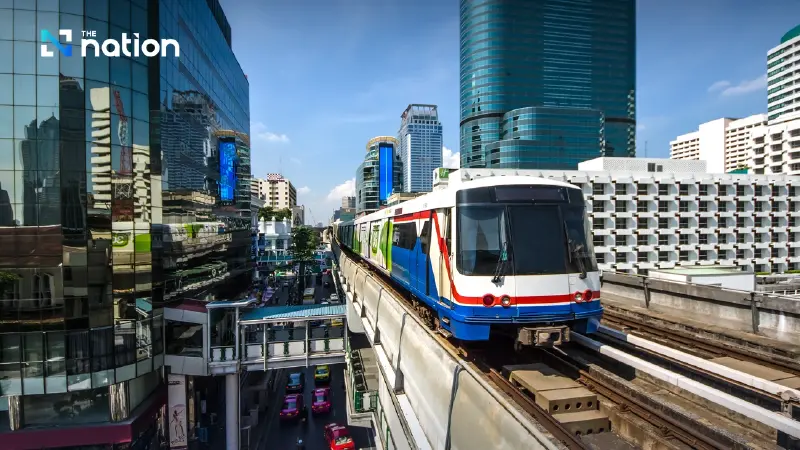


Prime investment locations in 2026 will be driven by new infrastructure such as mass transit and expressways, strong employment centres and well-rounded amenities.
High-potential land in Bangkok and its surrounding provinces has continued to rise in value, driven by limited supply and intense competition among developers. So which areas look most promising for 2026?
Dr Sopon Pornchokchai, President of the Thai real estate research and valuation information centre at Agency for Real Estate Affairs (AREA), said standout locations in Bangkok and the metro area tend to share the same traits: new infrastructure such as electric rail lines, expressways and newly cut roads; major employment hubs; the growth of lively satellite towns; and complete amenities including shopping malls, schools and hospitals.
Importantly, housing in these areas remains more affordable than in the inner city or the central business district (CBD), and genuine demand continues even as the economy slows.
Key locations to watch in 2026 include:
Bangkok’s western expansion zone: Phutthamonthon, Salaya, Borommaratchachonnani Road
This area benefits from strong genuine housing demand, especially from personnel linked to Siriraj Hospital and Mahidol University. Low-rise condominiums for students and staff have created robust rental demand, while mid- to high-end low-rise housing continues to expand.
Land prices are still relatively attainable, and the new Phran Nok–Sai 4 road has improved convenience. Major developers have been investing steadily, with future transport projects also expected to support growth, including the Light Red Line extension (Salaya–Taling Chan) and the western section of the Orange Line (Taling Chan–Bang Khun Non).
The area’s greener environment and proximity to Siriraj make it a preferred choice for many professionals.
Bang Na–Trat (km 5–15) and eastern Sukhumvit: Mega Bangna, Lasalle, Bearing
This has emerged as a new business centre on Bangkok’s eastern side, supported by Mega Bangna, international schools and a growing supply of office space. Demand is strong among executives and skilled workers, as well as expatriate families, with international schools continuing to expand.
The zone also links well to the motorway network and benefits from renewed growth around Suvarnabhumi Airport. Connections at Samrong make it easier to transfer to the Yellow Line. Rental demand for condos is high, particularly among Japanese expatriates who favour the Bearing–Lasalle area for its schools and convenient travel to Asok.
Lat Phrao–Chokchai 4–Ratchada–Huai Khwang
With the Yellow Line (Lat Phrao–Samrong) now fully open, early Lat Phrao has seen a lift in residential value and more concentrated demand. Condominiums and townhomes remain core products for workers in major business districts such as Asok, Rama IX, Ratchada and Kasetsart, with fast travel supported by rail links across the north, south and east.
The condo market also continues to attract renters, including office staff and students. Huai Khwang, in particular, has become a 24-hour living district with lively commercial and lifestyle activity and many late-night businesses. Prices still offer room compared with the city centre, while connectivity remains strong.
Ramintra–Khu Bon–Fashion Island–Eastern Outer Ring Road
Transport strength has improved markedly with the Pink Line (Khae Rai–Min Buri), especially around Ramintra Station and Fashion Island Station, creating fresh demand from city workers seeking more affordable homes near the end of the line while still commuting conveniently.
The area stands out for townhouses and semi-detached homes in the 3–7 million baht range. With major retail hubs such as Fashion Island and The Promenade, it functions as a robust “satellite town” and appeals strongly to families and car-owning workers thanks to nearby malls, schools and hospitals.

Rama II–Bang Khun Thian–Samut Sakhon
Infrastructure projects, including the Rama III–Dao Khanong–Western Outer Ring Road expressway, are expected to cut travel times and support continued growth in demand for low-rise housing. With a large labour base and multiple industrial estates, demand for mid-range townhomes and detached houses remains steady.
Land remains competitive and generally cheaper than the eastern and northern zones, and there is still considerable supply, supporting ongoing new project launches and larger-scale developments by major operators.
Rama II also connects easily to the Eastern Economic Corridor (EEC) and sits on the Southern Corridor economic route linking Samut Sakhon, Phetchaburi and Prachuap Khiri Khan, with direct connections towards the ring road, Bang Na and Chonburi.
Srinakarin–Phatthanakan–On Nut–New Krungthep Kreetha
The newly built Krungthep Kreetha road links Rama IX, Ramkhamhaeng and Srinakarin, making this one of the most rapidly booming locations in the eastern area. It is well suited to low-rise homes priced around 8–20 million baht, which sold strongly in 2025 and are expected to remain in demand through 2026.
The area also has one of the densest transport and infrastructure networks, including the BTS Sukhumvit Line, Airport Rail Link, expressways and motorways. Its proximity to Suvarnabhumi Airport strengthens its appeal for those working in aviation, logistics or frequent travel.
Don Mueang–Lak Si–Chaeng Watthana
With the Red and Pink Lines in place, condominiums priced around 1.5–3 million baht have regained momentum. Strong demand is supported by government complexes and large organisations, bringing stable buyers and renters.
Don Mueang Airport is a major advantage, drawing workers in aviation, airport operations, logistics, tourism and aircraft maintenance, repair and overhaul (MRO). This makes the area attractive to young professionals, renters and small-scale investors.
Rail links through Chaeng Watthana, together with the Si Rat Expressway, also improve access into the city, out of town and towards the North.

Pathum Thani–Rangsit–Lam Luk Ka–Khu Khot
This is considered one of the most convenient outer metro locations in terms of both rail and expressway access, while land costs remain among the lowest in the surrounding provinces. Townhouses priced around 1.8–3 million baht and detached homes at 3–6 million baht have performed well.
The Green Line extension (Mo Chit–Saphan Mai–Khu Khot) has made Lam Luk Ka and Khu Khot easier to commute from, with further expansion expected to enhance connectivity. Demand is driven by first-time buyers and young families seeking a clear “first home” option.
The area is also a major education hub in Bangkok’s northern zone, with large campuses such as Thammasat University (Rangsit Campus), Bangkok University and Rangsit University, as well as international schools. This supports rental investment targeting students, factory-worker families and logistics staff.
New Ratchaphruek cut-through and Highway 345 (Pathum Thani)
Improved travel via the new Ratchaphruek route and Highway 345 strengthens links to expressways and major roads. New retail developments such as Robinson Lifestyle and Central Westville, plus international schools including Denla and SISB, add to the area’s appeal.
It also sits close to employment centres and government offices around Chaeng Watthana and Muang Thong Thani, making it a fast-growing zone for housing estates—particularly mid- to upper-mid-priced detached homes.
