
More opportunities on the horizon for Asians to join Shell's top executive team


Play
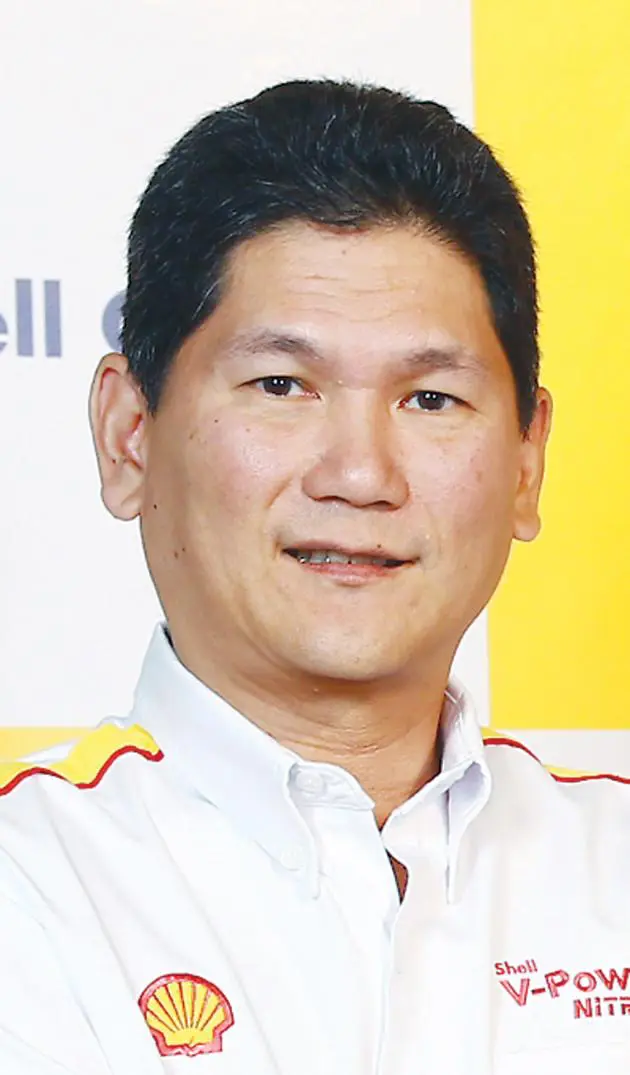
Asada Harinsuit, vice president of retail east at Royal Dutch Shell Group and chairman of Shell Thailand, hopes a Thai or an Asian might someday helm the global petroleum company. "Someday, a Thai or Asian might have a chance to become the CEO of Shell,\
Asada became the first Thai to be appointed as the vice president in charge of Shell’s global bitumen business in 2007 and as vice president for its retail east, a region that covers one-third of Shell’s worldwide business territories, in September last year.
“I had never dreamed I would go this far. Opportunities have increased for Thais and Asians to work abroad and at the global level,” he told a media interview
“I view the shifting of more investment to the eastern [part of the world] as a growing opportunity for human resources in the East to become leaders, although there are still not so many Asians leading global organisations,” he said.
Chanida Pincharoen, cluster HR manager for Thailand and Vietnam and director of Shell Thailand, said the achievements of Asada, who is the first and only Thai joining the ranks of the top 150 executives of Shell Group worldwide, and his predecessor Pissawan Achanapornkul, who was promoted in October 2012 to the post of global leader for crude supply trading at the British parent company, reaffirmed the potential of Thais and reflected the firm’s policy to offer a chance for Thais to grow in their careers internationally.
On Shell’s top 150 executives list, there are only about 15-20 Asians, but this figure is expected to rise in the future.
Nearly all of Shell Thailand’s some 500 staff are local. The company has set aside a substantial training and development budget that also supports the posting of 30 local employees to the group’s overseas operations each year.
While Shell has maintained its reputation as a “training academy” for Thai business sector, due to its refined training curriculum and HR practices, it has a need to rebuild its team and attract new-generation staff, after losing some personnel following the sale of some businesses here during the past 10 years.
“Since we sold some businesses…now we want to build a new generation to drive our businesses in the future that will need to be steered by a new generation,” she said.
Shell had divested its oil refining and petroleum exploration businesses to PTT to focus on the downstream oil business. The company normally hires about 30 workers each year.
Asada said he could not reveal the growth target of Shell Thailand but it has already disclosed plans to expand its petroleum retail network by 30 outlets annually over three years and to upgrade over one-fourth of its existing 500 sites in the same period.
It is also looking for opportunities to invest in alternative energy such as biofuels.
Realising that its business is driven by passionate people, Shell has emphasised the four key pillars for nurturing an environment for its workers – creating “meaningful” jobs, allowing autonomy for employees to design and make their own career choices, “mastery” of skills and competencies of workers and “connectedness”, which means exploiting its matrix organisation system to allow staff to work across the company, locally and globally, at all levels of the organisation.
