
Bangkokians will welcome the Tiger with muted splendour, survey shows
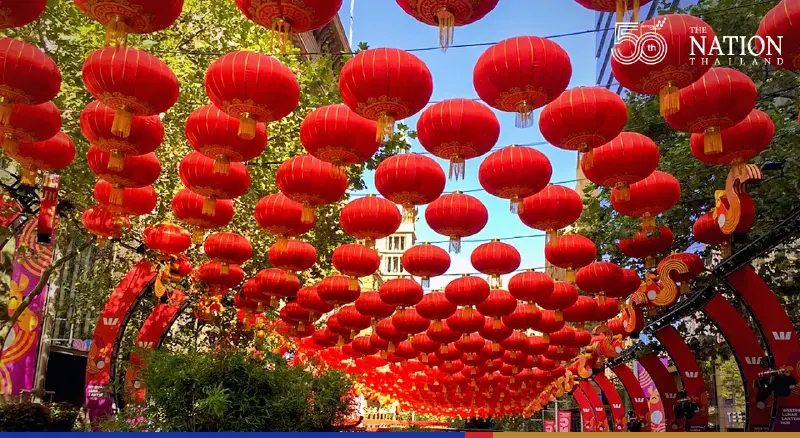


Thai-Chinese communities will still hold traditional Chinese New Year practices despite the new normal and rising prices, a recent survey conducted by the Kasikorn Research Centre shows.
However, people will be more careful with their money and may reduce the amount they put in the customary “ang pao” or red envelopes.
The centre expects Chinese communities in Bangkok to spend 11.79 billion baht during festivities this year – a conservative estimate based on the amount spent last year.
Rising costs and concerns over Omicron cases are the main reasons affecting the purchasing power of Bangkok residents.
According to the survey, 71 per cent of Bangkokians believe rising prices will affect the amount they spend on offerings, especially food offerings. Spending, however, is expected to remain high as the government is trying to maintain the price of some products and offering shopping subsidies.
However, the surge in demand may push the prices up, especially the price of meat, which is expected to rise by 15 to 30 per cent, and fruits and vegetables that may rise by 5 to 10 per cent compared to last year.

Related News
Govt adds chicken meat to list of price-controlled items
Most Thais fear double-spike of Covid, PM2.5 over Chinese New Year
Devotees get ready to greet Year of the Tiger virtually
Though the Lunar New Year celebrations will continue unabated in Bangkok, there may be some changes. The survey shows that ethnic Chinese communities in Bangkok will spend as much as they did last year or adjust their spending as follows:
- Offerings: Making offerings during Chinese New Year is traditional and cannot be avoided. However, people earning less than 45,000 baht per month are expected to reduce their spending, while those earning more may up their spending. The centre expects 6 billion baht to be spent on offerings, up 7.1 per cent from last year.
- Making merit, travelling or dining outside: People are expected to spend more on making merit and travelling despite rising fuel prices. This is because the Covid-19 situation is improving and prevention measures are being eased. However, they are expected to spend carefully. The centre estimates spending on these activities will rise by 2.8 per cent to 3.05 billion baht this year.
- Ang Pao or red envelopes: The amount put in the red envelopes will drop 14.8 per cent to 2.74 billion baht as the Covid-19 crisis continues affecting people’s purchasing power.
Meanwhile, the centre has advised the business sector to come up with new promotions, like online sales or free delivery, to boost spending.
It said that normally Chinese New Year offerings are bought separately from different shops. However, if these very same products are offered in one platform online, they will be bought together due to speed and convenience – factors treasured by the younger generation.
The centre also advised stores to start providing customers with a tax invoice so they can get tax redemptions under the “Shop Dee Mee Kuen” subsidy scheme.
The centre pointed out that with consumer behaviour changing under the new normal, it is time that stores and retailers began adjusting their marketing strategy to survive.

