
EV Crisis: Soaring Charging Costs Threaten to Erase Electric Advantage
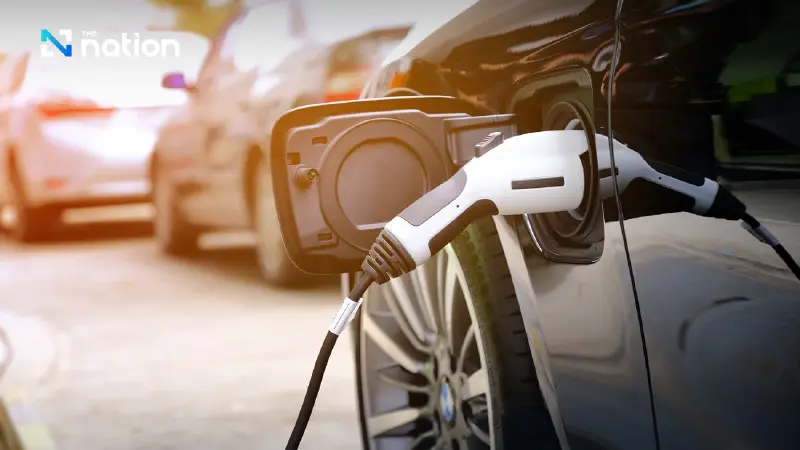


Proposed electricity rate adjustments could see public EV charging costs soar to 11 Baht per unit, sparking fears of an industry-wide slowdown in Thailand
- Thailand's government is proposing to raise public EV charging costs to as high as 11 baht per unit to end an unsustainable national subsidy.
- The potential price hike threatens to make the running costs of EVs comparable to petrol cars, erasing their primary economic advantage for consumers.
- This could slow down EV adoption, jeopardizing Thailand's "Net Zero" environmental targets and its goal of becoming a regional EV manufacturing hub.
Proposed electricity rate adjustments could see public EV charging costs soar to 11 baht per unit, sparking fears of an industry-wide slowdown in Thailand.
Thailand’s electric vehicle (EV) sector is facing a significant headwind as the government moves to adjust public charging rates.
New proposals could see prices surge to 11 baht per unit, bringing the running costs of electric cars into direct competition with traditional petrol vehicles.
The Ministry of Energy has ordered the Energy Regulatory Commission (ERC) to overhaul the current pricing structure, arguing that the existing rate of 2.91 baht per unit is artificially low and fails to reflect true procurement and grid maintenance costs.
Historically, the shortfall has been absorbed into the national "Ft" fuel adjustment charge, effectively meaning that the general public has been subsidising the charging costs of EV owners.

With hundreds of thousands of EVs now registered in Thailand, the financial burden on the nation's three electricity authorities has become unsustainable.
Experts suggest that once operational overheads—including land rental, equipment depreciation, and maintenance—are factored in, retail prices at public charging stations will likely jump from the current 7.5–8.5 baht range to between 9.5 and 11 baht per unit.
This potential price hike has sparked concerns that the economic incentive to "go green" is evaporating.
If the cost-per-kilometre reaches parity with internal combustion engines, the rapid adoption of EVs seen over the last two years could grind to a halt.
Industry analysts warn that such a move could jeopardise Thailand’s ambitious "Net Zero" targets and its goal of becoming Southeast Asia’s premier EV manufacturing hub.
Stagnating domestic demand would not only impact environmental goals but also deter international investors who have poured billions into local EV production lines.
The private sector is now urging the government to introduce a "mitigation package" to soften the blow. Proposed measures include:
Land and Building Tax waivers for charging station operators.
Incentives for Renewable Integration, allowing stations to use solar power to offset rising grid costs.
Direct Transition Subsidies to maintain a competitive price gap during the industry's critical growth phase.

The National Energy Policy Council (NEPC) is expected to review the findings of the ERC study shortly. Should the government approve the new rates in principle, a period of public consultation will follow before any changes are implemented at the charging station "pump."
