
China bans below-cost car sales to curb price war
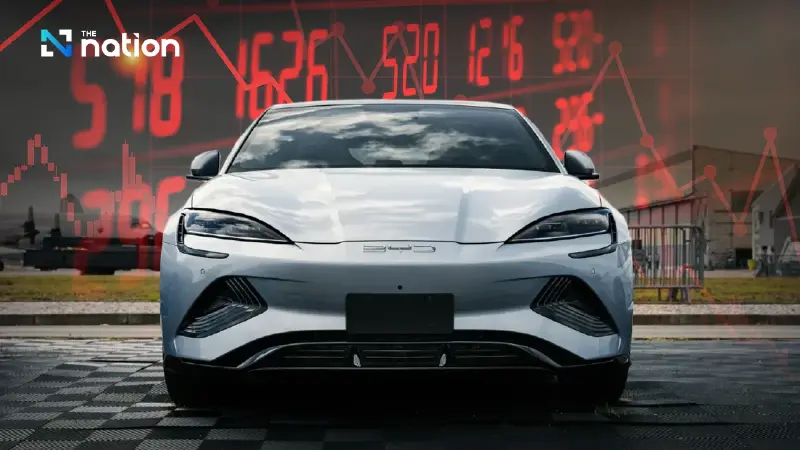


China has barred automakers from selling cars below total cost, targeting price wars, collusion and unfair dealer pressure, while tightening online sales oversight
China has introduced its toughest measures yet to rein in the country’s long-running car price war, ordering automakers not to sell vehicles below “total cost” in an effort to curb unfair competition in the world’s largest auto market.
The State Administration for Market Regulation (SAMR) issued a final set of rules on Thursday, explicitly prohibiting pricing that falls below total production cost. The definition of “cost” goes beyond factory-line expenses and also includes administrative overheads, financing costs, and all sales and marketing budgets—closing a loophole that companies have previously used to justify aggressive discounting.
The rules also tighten oversight of pricing conduct across the industry, banning price-fixing between manufacturers and suppliers and prohibiting brands from pressuring dealers to accept loss-making sales in exchange for unfair rebates.
The clampdown comes after years of intense competition that has reshaped China’s auto market. While sharp price cuts have helped some major players expand rapidly, the broader effect has been to squeeze margins—especially for smaller producers and across the supply chain—fueling concerns about a “race to the bottom”.
Beyond pricing, the updated rules extend to online sales and the growing software-driven features of modern vehicles. Online car sales platforms will be expected to monitor listings and issue “dual-risk alerts” to both consumers and regulators when they detect unusually low-priced offers.
For software-enabled cars, the rules require manufacturers to warn customers when free trials are close to ending, and bar companies from later converting features into paid subscriptions if those terms were not clearly disclosed at the time of purchase—steps aimed at strengthening consumer protection.
