
Baht seen little stronger by year-end as exports, tourism weaken
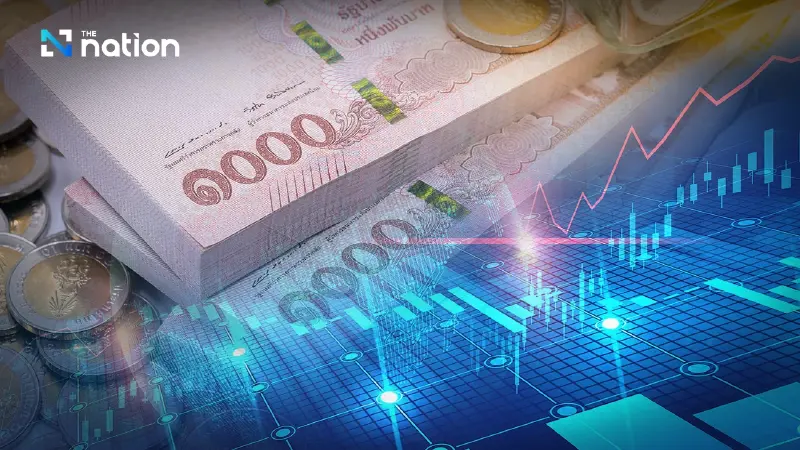


Bloomberg survey expects baht to rise only 1% in the final two months, below 10-year average, amid weak exports, Chinese tourism, and BOT easing bets.
The seasonal strengthening of the Thai baht towards the end of the year appears to be losing steam, weighed down by sluggish exports, weak Chinese tourism, and growing expectations that the Bank of Thailand (BOT) may cut interest rates again.
A Bloomberg survey of analysts forecasts the baht to appreciate by about 1% against the US dollar by year-end — roughly half of the average rise typically seen during the last two months of the year over the past decade.
Three key reasons behind the weaker outlook
- Sluggish tourism: Strategists from InTouch Capital Markets in Singapore said that even though Thailand is entering its peak travel season, tourism inflows — which normally support the baht — are unlikely to be as strong as before.
- Export slowdown: Credit Agricole CIB noted that Thailand’s subdued export performance is another factor capping the baht’s strength.
- Rate-cut expectations: Markets still anticipate that the BOT could lower its policy rate at least once more within the next six months, following a total reduction of 1% since October last year.
Strong baht weighs on the economy
The baht’s 4.5% appreciation so far this year has already affected key sectors, particularly exports and tourism, which together account for around 70% of Thailand’s economy.
The Tourism Authority of Thailand (TAT) expects foreign tourist arrivals to decline by about 6% this year — the first annual drop in a decade, excluding the Covid-19 period. Analysts attribute this to safety concerns and the stronger baht, which makes Thailand more expensive for visitors, particularly from China, a major source market.
Apichit Prasoprat, vice-chairman of the Federation of Thai Industries (FTI), said the baht’s appreciation has squeezed exporters’ income and eroded competitiveness, while also discouraging tourism.
Policy and intervention watch
InTouch Capital Markets warned that if the BOT adopts a more dovish monetary stance and the government imposes a gold trading tax, the baht could weaken towards 33 per US dollar — even if the greenback continues to soften.
However, analysts believe the BOT will likely intervene to prevent the baht from strengthening too sharply, which could harm competitiveness.
Poon Panichpibool, a market strategist at Krungthai Global Markets, said seasonal factors would still provide some support to the baht, “but if the baht strengthens abnormally compared to other trading partners’ currencies, the BOT can step in to manage the situation.”
Meanwhile, Nomura predicts the baht could strengthen to 31.3 per dollar by year-end if Thailand’s economy recovers, US–China tensions ease, and gold prices remain near record highs.
