
Thailand risks major losses if US pork market opens under 0% tariff deal, warns Kasikorn Research
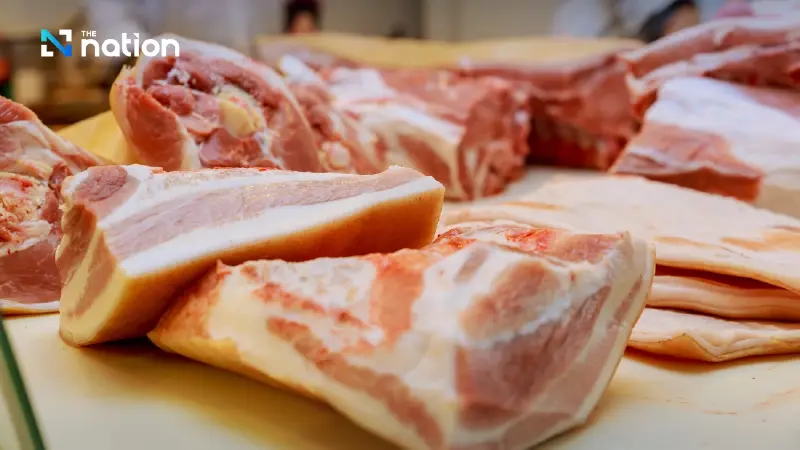


Kasikorn Research warns that a 0% tariff deal allowing US pork imports could devastate Thai farmers, local supply chains, and food safety, costing the pork industry over 112 billion baht.
Kasikorn Research Centre has raised concerns over the prolonged US–Thailand tariff negotiations, especially the risks of a 0% tariff exchange that would open Thai markets to specific US agricultural products—most notably pork—while reducing tariffs in other sectors. The deal, analysts warn, could hurt Thailand far more than it benefits it.
Following the US government's announcement of a 36% reciprocal tariff on Thai imports, effective August 1, 2025, Thai policymakers are under pressure to respond. One of the most vulnerable sectors is agriculture, particularly pork and offal, which have emerged as key bargaining chips in negotiations.
According to Kasikorn Research, US pork producers operate with large-scale, highly efficient systems, allowing them to sell pork at an average of $1.70 per kilogram—significantly lower than Thailand’s average of $2.30. If US pork is allowed tariff-free access, it could flood the Thai market and severely disrupt the domestic supply chain, particularly affecting small-scale pig farmers.


The total estimated loss to the Thai pork market could reach 112.33 billion baht if imports are fully liberalised. The damage would ripple throughout the local industry:
Pig farmers: Thailand has approximately 149,000 pig farmers, over 97% of whom are smallholders. Many could face job loss and income collapse. Already, farmer numbers have declined by more than 21% between 2021 and 2024 due to accumulated losses.
Animal feed crop farmers: Around 5 million households grow pig feed crops like rice bran, corn, and broken rice. A drop in demand could push prices down and cut incomes.
Slaughterhouses and butchers: The influx of ready-to-cook US pork and offal could bypass domestic processing and disrupt butcher income, potentially forcing some operations to shut down.
Even though restaurants and consumers may initially benefit from lower prices, long-term food safety concerns remain. US pork is often linked to the use of beta-agonists (such as ractopamine) — growth-promoting substances banned in Thailand.

According to Thailand’s Department of Livestock Development, beta-agonists can have serious side effects on human health, including tremors, muscle spasms, headaches, dizziness, irregular heartbeat, and potential tumours in the female reproductive system. High-risk groups include children, the elderly, pregnant women, heart disease patients, and diabetics.
While US negotiators are expected to push for increased imports of pork and offal under the "Made in USA" label, the potential consequences for Thailand’s agricultural sector, public health, and long-term competitiveness are becoming clearer. Kasikorn Research concludes that Thailand must carefully weigh the trade-offs before agreeing to further concessions.
