
How Team Thailand secured 19% reciprocal tariff deal with US


Team Thailand has successfully negotiated a reduction in the US reciprocal tariff from 36% to 19%, which officially took effect at midnight on August 6.
Thailand is now subject to a tariff rate similar to that imposed on several neighbouring countries, including the Philippines, Indonesia, Malaysia, and Cambodia, all at 19%. Vietnam’s rate is slightly higher at 20%.
However, negotiations on other tariffs remain ongoing, particularly concerning the opening of the Thai market to US imports.
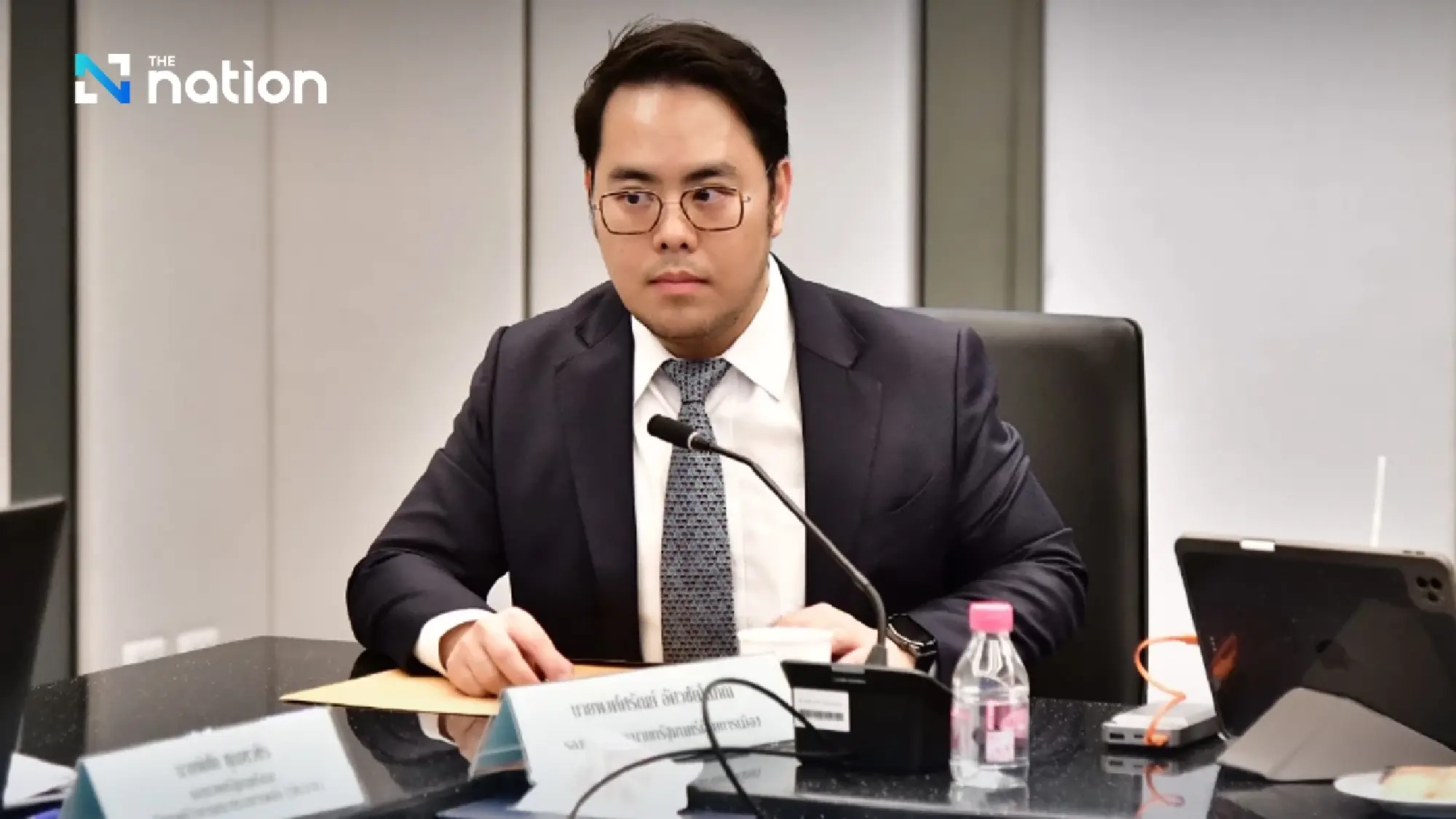
Pongsaran Assawachaisophon, Secretary-General to the Prime Minister for Political Affairs, told Thansettakij that talks with the US government were challenging and required precise timing.
“Thailand has been preparing for this matter continuously. We carefully considered the right moment to negotiate and ensured that we had clear data for the discussions. It is good news that the tariff has been reduced to 19%, a competitive rate,” a member of Team Thailand said.
Multi-tier negotiation mechanism
Thailand prepared for the talks by setting up a multi-level negotiation framework with the US. At the highest level, discussions took place between the Thai Prime Minister, or a designated representative, and the US President to set the overall agenda.
The next level involved the Thai Commerce and Foreign Ministers and the United States Trade Representative (USTR), focusing on key trade details under five main pillars.
The Thai Ambassador to Washington DC also played a role in monitoring US trade policy developments and serving as an advance liaison for formal exchanges.
Finally, a joint public-private working group provided data and support for trade and tariff negotiations with the US government.

Four US demands from Thailand
According to Pongsaran, the US government made four main requests: opening the Thai market to more US products, tackling issues of false origin claims and improving customs procedures, accepting more US-requested imports, and increasing Thai investment in the US.
“The US wanted these four main points for consideration. We acted accordingly while ensuring that any moves would be mutually beneficial and not harm domestic interests,” Pongsaran noted.
Recently, Finance Minister Pichai Chunhavajira, head of Team Thailand, met with relevant agencies to outline the five trade negotiation pillars. The aim is to halve Thailand’s US$35.22 billion trade deficit with the US within five years.
The original five pillars are:
- Partnership in processed food – importing US raw materials for processing and re-export.
- Increasing imports from the US – including energy, LNG, ethane, aircraft and parts, defence equipment, and agricultural products.
- Market opening and tariff reduction – lowering import tariffs on more than 11,414 agricultural products and removing trade barriers.
- Strengthening rules of origin enforcement – preventing false origin claims.
- Promoting Thai investment in the US – especially in energy, with participation from both private firms and state enterprises.

The secret to negotiating the ‘Trump tariff’
Revealing the strategy behind the reduction to 19%, Pongsaran said that in April, the US approached Thailand for trade talks. However, the Thai government decided to wait until it had fully prepared its data before meeting.
Additional US requests, especially on false origin issues, were addressed swiftly.
“Success came from demonstrating sincerity in what we promised. For example, we spoke directly with US farmers about buying their produce and sent Thai businesses to sign MOUs. When we met US Trade Representative Jamieson Greer, he praised Thailand for this approach,” he said.
The US also urged Thailand to move quickly on preventing false origin claims. The Commerce Ministry worked with the Customs Department and US Customs and Border Protection (CBP) to reform processes — such as centralising the issuance of certificates of origin (C/O) under the Department of Foreign Trade.
Businesses were vetted through in-depth inspections — checking factory operations, water and electricity usage, and employee records — to ensure they were legitimate operators, not nominees.
The plan also includes boosting Thai investment in the US energy sector, particularly in Alaska.
“Team Thailand showed that what the US asked for was achievable, and we kept our word by acting sincerely,” Pongsaran concluded, highlighting the achievement of lowering the tariff to 19%.
