
Thai garment industry urges government to delay minimum wage hike amid 29% US tariff
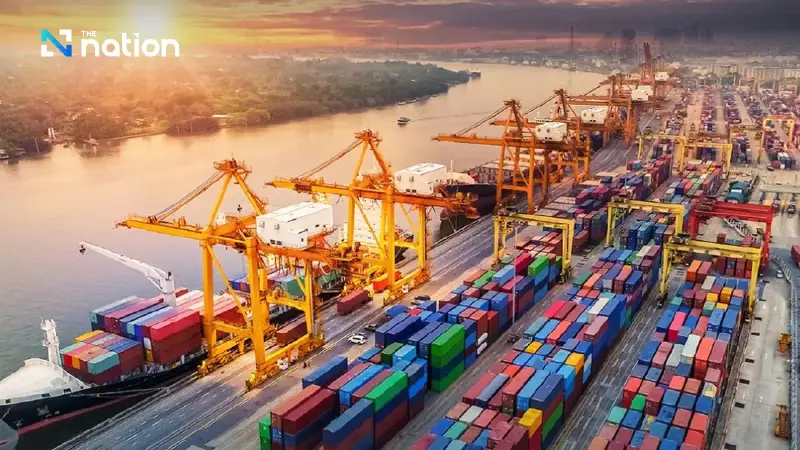


Garment exporters call on Thailand’s new government to pause wage hikes and accelerate EU FTA talks after US imposes 29% import tariff.
Thailand’s garment industry, once a leading export sector employing over 1 million workers 30 years ago, now faces challenges from higher-value industries such as automotive, electronics, and appliances. Although the sector is recovering from the COVID-19 impact, it is now confronting a new setback as the United States imposes an additional 19% import tariff on Thai garments.
Yosthon Kitkuson, President of the Thai Garment Manufacturers Association (TGMA) and Chair of the Textile and Garment Trade Association under the Thai Chamber of Commerce, urged the new government to accelerate negotiations for a Thailand-European Union Free Trade Agreement (FTA). This would help mitigate the competitive disadvantage against Vietnam, which already has an FTA with the EU.
Currently, the US accounts for approximately 40% of Thailand’s garment exports, followed by Japan at 18%. The newly increased US tariff, up from an average 10% to 29%, threatens this key market. Thai exporters face EU tariffs averaging 10-20% depending on the garment type. Securing an FTA with the EU could open up trade with 27 countries, helping offset potential losses in the US market.
The industry also called for a pause on minimum wage increases, noting that garments remain a labour-intensive sector employing 600,000-800,000 workers. Rising wages to 400 baht per day would disproportionately affect new and unskilled workers whose productivity remains low, increasing costs for employers. Currently, labour and raw material expenses make up 60-70% of total production costs for garment manufacturers.
The sector emphasised that timely government support, including wage policy management and international trade agreements, is crucial for sustaining growth and maintaining competitiveness.
