
Thai Bankers’ Association outlines four urgent economic measures to tackle household debt
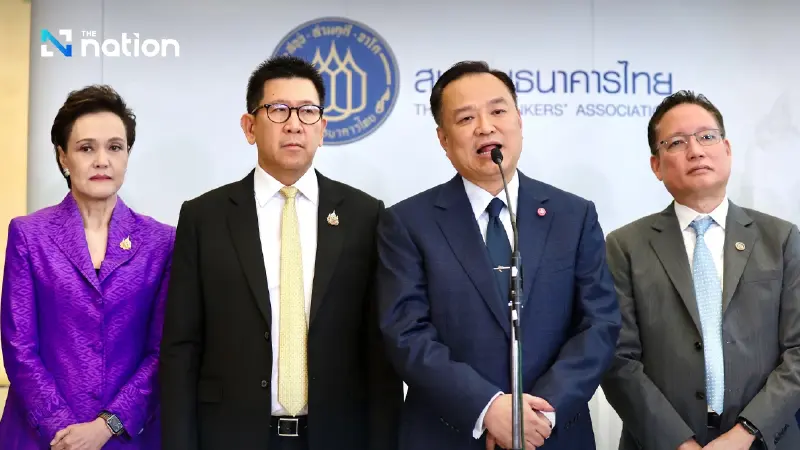


PM Anutin meets Thai Bankers’ Association, outlining four urgent measures including AMC and National Credit Score to revive economy and curb risks.
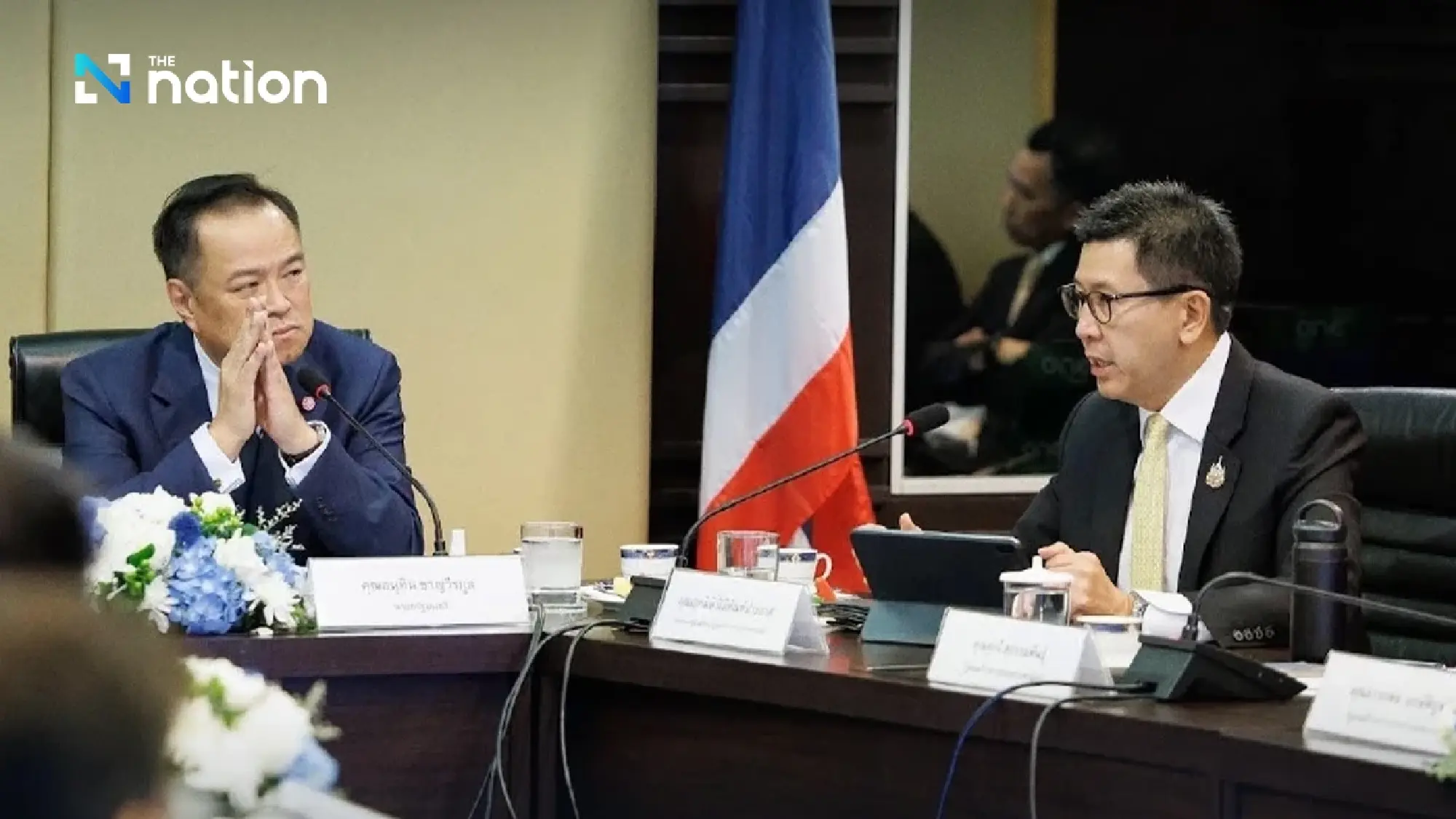
Deputy Finance Minister Vorapak Tanyawong posted on Facebook that on the morning of September 22, the Thai Bankers’ Association hosted Prime Minister Anutin Charnvirakul and his economic cabinet team. This was the first official visit by a Thai prime minister to the association in 58 years. The meeting focused on gathering data and recommendations from the association, which is considered a key pillar of the economy and well-positioned to reflect the real situation, as Thai banks interact with almost all customer segments.
Key economic challenges highlighted:
- Fragile structural foundation: The informal economy accounts for 48% of GDP, higher than many Asian countries, leading to incomplete tax collection, high inequality, and baht volatility influenced by gold and cryptocurrency transactions. Household debt exceeds 100% of GDP, both formal and informal.
- Declining competitiveness: GDP growth is projected at only 2.1% on average over the next five years, the lowest in ASEAN, with limited FDI inflows and capital outflows to foreign investment.
- Public sector challenges: Complex laws and regulations impose hidden costs on businesses. Government agencies lack coordination, making it difficult to trace the causes of a strong baht. Public debt continues to rise.

Recommendations from the Thai Bankers’ Association:
For the public sector:
- Establish a Joint Venture Asset Management Company (JV-AMC) between commercial banks and specialised financial institutions to manage non-performing retail loans.
- Require all lenders to report credit data to the National Credit Bureau (NCB) and implement a National Credit Score to assess risk consistently.
For businesses:
- Promote “Greenly Made by Thais” (GMBT) to enhance ESG credentials and use of domestic materials in exports.
- Implement a “Big Brother Helps Little Brother” scheme for large companies to support SMEs in the supply chain.
- Adopt tools such as Digital Lending Platform and PromptBiz to reduce business costs.
For the government:
- Allocate THB 1.7 trillion annually in procurement to support SMEs and GMBT products.
- Restructure regulations to reduce redundancy and streamline processes.
Urgent “4+4” policy framework:
Four main measures:
- Integrate the informal economy into the formal system
- Address household debt via AMC and National Credit Score
- Increase household income through upskilling and higher remuneration
- Stimulate domestic investment, attract FDI, and support local content
Four supplementary measures:
- Implement PromptBiz, adjust SME credit guarantees, and provide tools to support SMEs
The association’s recommendations are not merely technical; they signal that Thailand’s economy faces risks from multiple angles. If the government acts decisively on these proposals, the country has the potential to generate a new growth cycle and escape the middle-income trap.
Some of the recommendations have already been directed by the prime minister to the deputy prime minister for economic affairs, including addressing household debt, boosting SME liquidity, implementing short-term measures with long-term impact, and facilitating foreign investment in target industries.
