
Unlucky Thai Lottery Players to Receive Retirement Savings in 'Quick Big Win' Plan
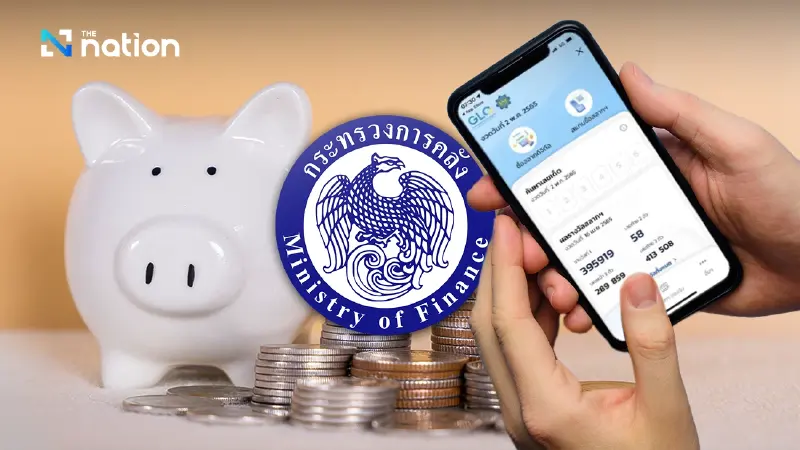


Finance Minister Ekniti Nitithanprapas unveils scheme to convert digital lottery losses into RMF-style savings to support an aging society; project targets four-month launch
- The Thai government is introducing a "Quick Big Win" plan that converts a portion of the money spent on losing digital lottery tickets into retirement savings.
- This "Lottery Savings" scheme is exclusively for tickets purchased through the 'Pao Tang' digital application, which allows for automatic crediting to individual accounts.
- The saved funds will be managed under rules similar to a Retirement Mutual Fund (RMF), with withdrawals permitted once the individual reaches the age of 55.
- The program, set to launch within four months, will be funded from the Government Lottery Office's (GLO) share of revenue.
The Thai government is introducing a novel policy that allows citizens to convert money spent on losing digital lottery tickets into retirement savings, describing the scheme as a means to “return profit” and encourage thrift in the face of an aging population.
Ekniti Nitithanprapas, Deputy Prime Minister and Minister of Finance, confirmed the plan on Wednesdau, revealing he has instructed the Permanent Secretary to finalise the criteria for the mechanism.
The project is expected to be launched within the next four months as one of the government’s priority "Quick Big Wins."
The new initiative will see a portion of the price of non-winning digital lottery tickets automatically channelled into a dedicated savings account.
"This 'Lottery Savings' scheme isn't formally named yet, and it is entirely separate from the 'Lottery Pension' scheme run by the National Savings Fund (NSF)," Ekniti explained. "The money will be segmented from the ticket price and held under principles similar to a Retirement Mutual Fund (RMF): funds can be withdrawn once the individual reaches the age of 55."
He added that those aged 56 and over can continue saving for an additional five years, and the accumulated funds may be used as collateral for loans, offering liquidity to savers.
The Ministry also intends to offer attractive 1% interest government bond investment opportunities to elderly and retired citizens monthly, ensuring retail investors can participate easily.
Lavaron Sangsnit, Permanent Secretary of the MoF, stressed that the project’s goal is purely to promote saving, not to increase gambling.
Crucially, the scheme will be limited to tickets purchased via the 'Pao Tang' digital application, as the platform’s digital infrastructure makes it possible to accurately track purchasers and credit their individual savings accounts.
Funding for this returned saving will be allocated from the 17% share of revenue currently allocated to the Government Lottery Office (GLO), which falls under the Minister’s discretionary authority.
Lavaron confirmed the savings will be managed with an emphasis on safety and capital preservation, likely through a highly secure fund structure.
He predicted that if citizens consistently save through this mechanism, the accumulated fund could grow significantly, potentially reaching tens of billions of baht over time.
Discussions with the GLO and Krung Thai Bank (which operates the 'Pao Tang' app) have confirmed that the scheme is legally viable and technologically ready for implementation.
The rules governing withdrawals, such as minimum holding periods, will be primarily benchmarked against existing RMF conditions to maintain regulatory consistency.
