
Thai Private Sector Calls for Labour Law Review, Proposes Joint Committee
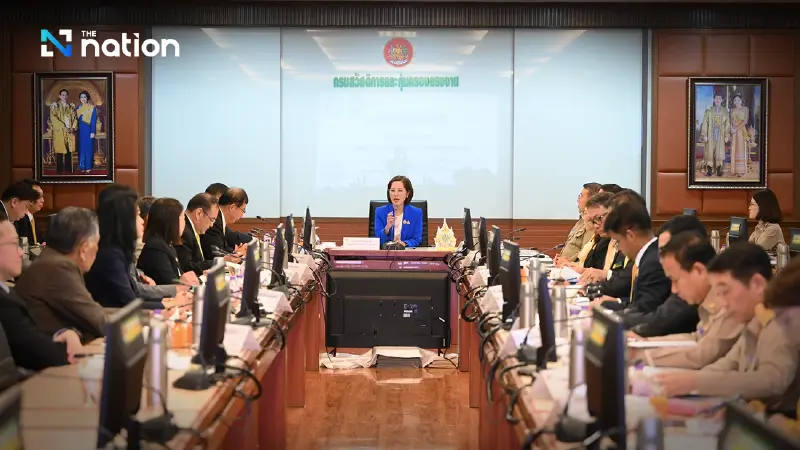


Major business organisations urge government to reconsider draft Labour Protection Act amendments, citing economic concerns
- Thailand's private sector, led by three major business organizations, is opposing proposed amendments to the Labour Protection Act that would reduce weekly working hours from 48 to 40 and increase mandatory leave.
- Business groups argue the changes would increase labor costs, harm national competitiveness, and negatively impact small and medium-sized enterprises (SMEs) and workers' incomes.
- As a solution, the private sector has formally proposed the creation of a joint government-private sector committee to review the labour laws and draft fair amendments.
- The Labour Minister has accepted the private sector's proposals and approved the establishment of the joint committee to integrate their recommendations into policy.
Thailand's private sector has mounted a unified front against proposed amendments to the Labour Protection Act, with three major business organisations calling on the government to reconsider the draft legislation that would reduce working hours and increase employee benefits.
The Thai Chamber of Commerce (TCC), led by its chairman Dr Poj Aramwattananont, met with Labour Minister Trinuch Thienthong on Monday to present six "Quick Big Win" proposals aimed at reforming the country's labour policies within four months.
Labour Law Amendment Tops Concerns
The primary concern centres on the proposed Labour Protection Act amendment, which would reduce standard working hours from 48 to 40 hours per week and increase mandatory weekly rest days from one to two days.
The draft also proposes raising annual leave from six to 10 days.
"We oppose the amendment to the draft Labour Protection Act and believe the private sector and employer associations should be given the opportunity to express their views comprehensively and fairly for both employers and employees," Dr Poj said following the meeting. "The changes should not impact competitiveness, investment climate, or Thailand's overall economy."
The TCC's position aligns with concerns raised by the Joint Standing Committee on Commerce, Industry and Banking (JSCCIB), which comprises the Thai Chamber of Commerce, the Federation of Thai Industries, and the Thai Bankers' Association.

Private Sector Presents United Front
On 14 October, the JSCCIB submitted a letter to parliament and MP Jarat Khumkhainam of the People's Party, who chairs the extraordinary committee reviewing the draft legislation, expressing concerns about the economic impact of the proposed changes.
Dr Naowarat Songsawatchai, president of the Employers' Confederation of Thai Trade and Industry and an executive board member of the Federation of Thai Industries, led the delegation that warned the amendments could increase labour costs per production unit immediately, particularly affecting small and medium-sized enterprises already facing high costs and limited liquidity.
"This could lead to business closures and redundancies," the JSCCIB stated in its submission. "The reduction in working hours may also impact workers' overall income, and there should be a clear quantitative impact assessment with appropriate support measures."
The organisation emphasised that Thailand's current economic structure is not ready for such changes, as many industries still rely heavily on human labour whilst automation and technology adoption remain constrained by investment limitations and skills gaps.

Federation Raises Constitutional Concerns
Earlier, on 10 October, the Federation of Thai Industries (FTI), representing 47 industrial groups, submitted its own letter outlining similar concerns.
FTI president Kriengkrai Thiennukul, speaking at a press conference on 18 October, said the proposed amendments were inconsistent with Thailand's current economic and social structure.
The FTI noted that the current Labour Protection Act of 1998 already provides adequate coverage for the present economic and social conditions.

The federation argued that additional leave days and benefits should be voluntary welfare provisions determined by individual establishments based on their readiness and suitability, rather than mandatory legal requirements.
The organisation highlighted three key areas of concern:
Working Hours (Section 3): The proposed reduction from 48 to 40 hours per week would decrease workers' income by approximately 16-17% whilst increasing employers' production costs.
Weekly Rest Days (Section 4): Increasing mandatory weekly rest from one to two days could reduce production capacity and raise costs by up to 17%, also diminishing workers' income.
Annual Leave (Section 5): The proposal to increase annual leave from six to 10 days would create additional administrative burdens, particularly for SMEs, which comprise more than 95% of Thai businesses, especially in calculating leave entitlements for probationary employees or those who haven't completed a full year.

Six-Point Reform Proposal
The Thai Chamber of Commerce presented six key recommendations to the Labour Minister:
1. Labour Law Review: Establish a joint government-private sector committee to draft amendments, ensuring fair representation of both employers and employees.
2. Minimum Wage Policy: Follow Section 87 of the 1998 Labour Protection Act and International Labour Organization guidelines, using the tripartite wage committee mechanism that considers cost of living, production costs, labour productivity, and regional economic conditions.
3. Foreign Worker Bond Requirements: Review and revert to 2016 regulations to reduce the cost burden on businesses employing migrant workers.
4. Skills Development: Create a "government-private sector-educational institution" partnership focusing on upskilling and reskilling three groups: new graduates, working professionals, and vulnerable groups including persons with disabilities and the elderly.
5. Foreign Worker Management: Establish a One-Stop Service centre for labour matters to facilitate visas and work permits for foreign investors whilst simplifying procedures for migrant worker recruitment in labour-intensive industries.
6. Joint Committee: Form a joint government-private sector labour committee to integrate proposals and policies, aiming for concrete results within four months.
Alternative Approach Suggested
The JSCCIB proposed six alternative measures to balance worker protection with national competitiveness:
1. Maintain the current 1998 Labour Protection Act, which already complies with International Labour Organization standards.
2. Implement a transition period of 5-10 years to allow businesses and workers to adapt, invest in technology, and develop skills before full implementation.
3. Link legal reforms with technology development and worker skills policies, with government support for automation, artificial intelligence, and reskilling programmes.
4. Increase legal flexibility to suit different types of work and industries, allowing employers and employees to negotiate arrangements appropriate to their business conditions.
5. Provide economic incentives such as tax relief or support funds for businesses that upgrade workers and implement automation systems.
6. Open formal channels for private sector input by including representatives from all three business organisations in the extraordinary parliamentary committee.

Government Response
Labour Minister Trinuch accepted all six proposals from the Thai Chamber of Commerce for integration with the ministry's policies and approved the establishment of a joint government-private sector labour committee.
She directed the Permanent Secretary for Labour to urgently discuss the details with relevant agencies.
Dr Poj expressed confidence that implementing the proposals would enhance the country's labour management efficiency, increase business and economic competitiveness, and create long-term security for Thai workers, ensuring they have "good jobs, skills, and welfare benefits" with sustainable growth prospects.
The ministry had earlier announced five policy priorities: addressing labour shortages from Thai-Cambodian border tensions, upskilling and reskilling Thai workers for technological advancement, promoting worker welfare, creating opportunities for Thais to work abroad, and leveraging technology.
The private sector has emphasised that improving workers' quality of life should proceed alongside maintaining economic stability and employment, ensuring sustainable benefits for workers, businesses, and the country as a whole.
