
Impact on Thai Airways as it fails to secure new aircraft lease this year
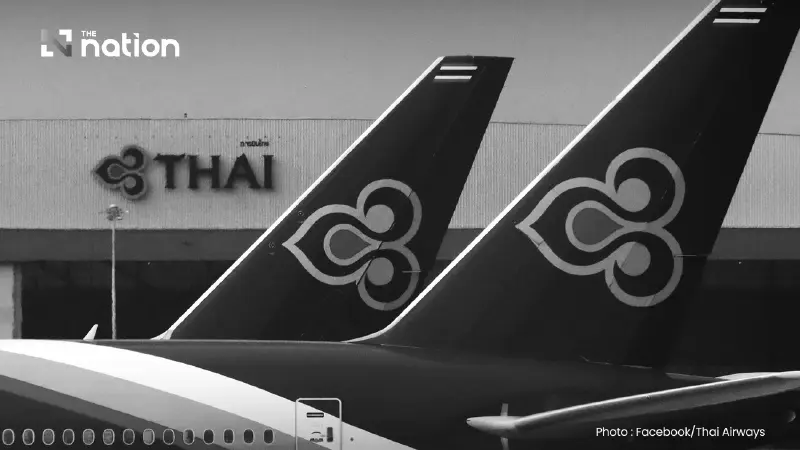


Thai Airways International (THAI)'s board rejects proposal to lease 8–10 aircraft, raising concerns over necessity and model selection, potentially impacting the airline’s fleet strategy.
The lease plan, initially deemed essential by THAI’s CEO, Chai Eamsiri, was intended to replace 9 retired aircraft. THAI had been negotiating to lease three B777-300ERs and six B787s, but those negotiations fell through as other airlines reached agreements first, leading to the cancellation of the deal.
Despite this setback, THAI remains under pressure to secure these aircraft to avoid disruptions to its sales strategy, which is based on a network model designed to establish Thailand as a regional aviation hub.
This strategy requires a well-balanced fleet of both narrow-body and wide-body aircraft to efficiently connect passengers.
The airline had planned to lease the aircraft for a six-year period, with hopes that successful negotiations would allow them to receive the planes by mid-2026. However, if the lease agreement fails, it could lead to an imbalance in THAI’s fleet.
Currently, the airline is receiving 17 A321 Neo narrow-body aircraft. Without new wide-body aircraft to replace 10 retiring planes, THAI’s network strategy and hub-building plans could be compromised.
A source within THAI confirmed that during the October 23 meeting, the decision to approve the proposed lease, which included Airbus A330-200 and Boeing 787-8 models, was deferred. The board raised concerns that these aircraft models, being outdated, could prove uneconomical due to high maintenance costs.
In response, the board approved hiring an external consultancy to assess the feasibility of leasing these aircraft and to review THAI’s broader fleet strategy, which aims for a long-term fleet of 150 aircraft, as outlined in the airline’s recovery plan. The consultancy will ensure the fleet strategy aligns with current market conditions.
The delay in aircraft procurement is expected to impact THAI’s operations in the coming year. By 2026, 10 wide-body aircraft are set to retire, reducing the fleet from 58 to 47 wide-body planes. This reduction will directly affect THAI’s capacity, potentially leading to a decline in revenues.
