
Suphajee meets Thai business leaders in the US, discusses tariff and logistics challenges as reciprocal tariff talks progress
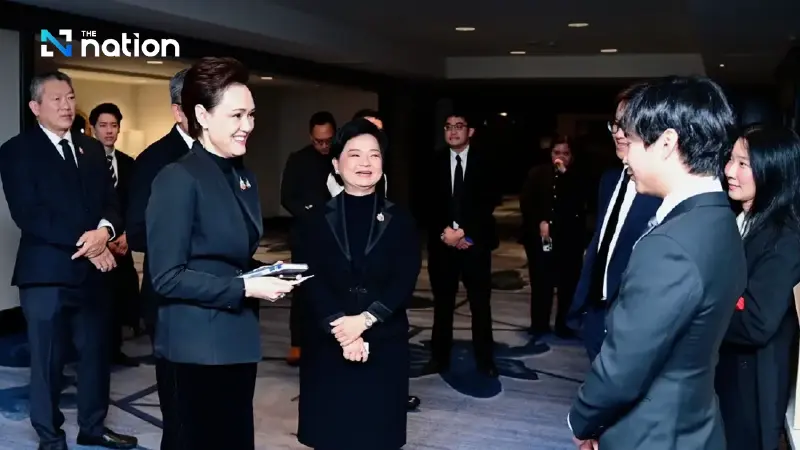


Commerce Minister Suphajee Suthumpun meets major Thai businesses in Los Angeles to address US tariff impacts, logistics costs and competitiveness, while affirming progress in Thailand-US reciprocal tariff negotiations.
Commerce Minister Suphajee Suthumpun has met senior Thai private-sector executives operating in the United States to discuss tariff problems, logistics challenges and measures to strengthen the competitiveness of Thai products in the US market.
The meeting took place at the Sofitel Los Angeles at Beverly Hills, where Suphajee led a delegation from the Ministry of Commerce for direct talks with leading Thai firms.
She said the discussion covered business limitations, market challenges, the impact of US tariff measures, and rising import-export and logistics costs, in addition to opportunities for the government to support Thai exporters. The private sector also shared insights on competitive advantages, market positioning, and the forms of cooperation they expect from government agencies.
Executives urged the government to play a stronger role in trade negotiations to reduce tariffs in key categories, expand marketing support, and provide data and coordination with US partners. They also raised issues including:
- Promoting SME products
- Supporting high-demand agricultural goods with Thai potential (e.g. eggs and duck products)
- Adding value to agricultural products
- Attracting high-potential foreign residents to Thailand through public–private cooperation, including proposals for a Long Stay Visa to stimulate home and condominium purchases.

Suphajee said negotiations on the Thailand-US Reciprocal Tariffs framework are progressing steadily and remain on schedule. She reaffirmed the government's commitment — as previously expressed during talks between Prime Minister Anutin and President Donald Trump — that Thailand is determined to complete negotiations within the agreed timeframe.
“All relevant agencies are working closely together to prepare for the formal negotiation phase. We are also integrating private-sector proposals into policy planning to strengthen Thai businesses in the US market,” Suphajee said.
She stressed the need to prevent transshipment and false origin claims, and to promote greater use of local content. Thailand, she added, must harness innovation and upgrade its food industry to become a Food Security Hub, selling food security rather than raw commodities — a shift essential for long-term global competitiveness.
Suphajee also referred to the 11-agency meeting held on May 14, 2025, which reviewed unfair trade protection measures and the progress of the RVC-UP local content initiative for the US market. Three priority issues were identified:
- Tackling cheap, substandard, and illegal products that undermine safety and quality standards
- Addressing unfair import competition that harms Thai producers, particularly in industrial sectors
- Preventing transshipment and false origin claims, which damage Thailand’s credibility and reduce benefits for legitimate Thai exporters
