
Thai Business Leaders Warn of Economic Fallout from US-Venezuela Tensions


Trade body sounds alarm over oil price volatility and market instability as diplomatic crisis threatens regional security
- Thai business leaders are concerned that escalating US-Venezuela tensions could destabilize global markets and undermine Thailand's economic recovery.
- The primary economic threat is not from a loss of direct trade, but from indirect shocks such as volatility in global oil and agricultural commodity prices.
- These potential price fluctuations could increase operational costs and place significant pressure on Thailand's key manufacturing and agricultural sectors.
- The Board of Trade has advised the Thai government and private sector to monitor critical indicators, including oil prices, exchange rate volatility, and financial market stability.
Trade body sounds alarm over oil price volatility and market instability as diplomatic crisis threatens regional security.
Thailand's leading business organisation has issued a stark warning about the potential economic consequences of escalating tensions between the United States and Venezuela, expressing concern that the diplomatic crisis could destabilise global markets and undermine fragile recovery efforts.
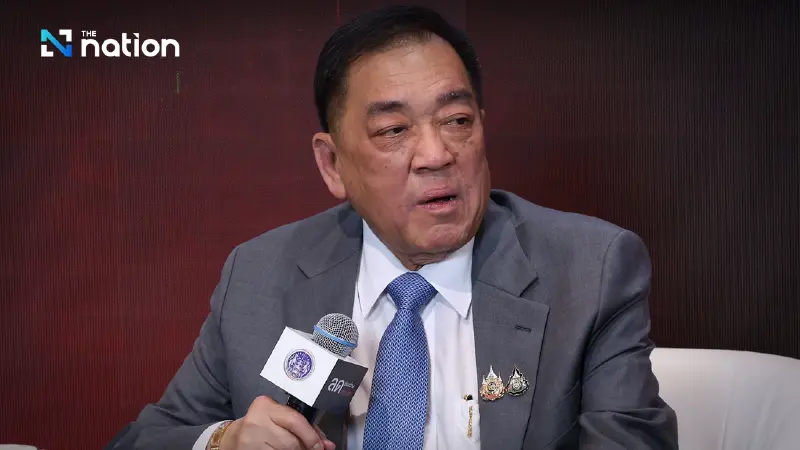
Dr Poj Aramwattananont, chairman of the Thai Chamber of Commerce and the Board of Trade of Thailand, said on Monday that his organisation was "monitoring the situation with gravity" as Washington intensifies its diplomatic and economic pressure on the Venezuelan leadership.
The warning comes amid fears that the protracted dispute could trigger volatility in global oil prices and agricultural commodities, with knock-on effects for Thailand's key manufacturing and agricultural sectors.
"We are less concerned with direct trade volumes and more concerned with the secondary shocks to the system," Dr Poj explained. "Fluctuations in energy costs and business operational expenses could place undue pressure on our domestic agricultural and manufacturing sectors."
The current tensions follow a turbulent 2025 in Latin America, during which the United States tightened sanctions and increased its military presence in response to political instability in Caracas.
Analysts suggest Washington's hardline approach aims to enforce democratic norms, though critics fear it risks provoking a broader regional security crisis that could disrupt global energy markets.
While direct trade between Thailand and Venezuela remains relatively modest, Dr Poj emphasised that Thailand faces significant exposure through indirect channels—particularly through volatility in global commodity prices that could ripple through supply chains and increase operational costs for Thai businesses.
The Chamber chairman warned that the crisis is unfolding against a backdrop of wider geopolitical "decoupling" and economic polarisation, urging the international community to employ established diplomatic mechanisms to resolve the dispute under international law rather than through unilateral escalation.
"We hope to see all parties exercise maximum restraint," Dr Poj said. "Peaceful dialogue is not just a diplomatic necessity; it is the cornerstone of the global economic recovery upon which Thailand depends."
The Board of Trade has advised the Thai government and private sector to maintain close surveillance of three critical indicators: exchange rate volatility as investors seek safe-haven currencies, immediate impacts of crude oil price spikes on Thai logistics and production, and general instability in international financial markets that could deter foreign investment.
The warning underscores growing anxiety amongst Asian business leaders about the potential for geopolitical conflicts to derail economic recovery efforts across the region.
