
Thai ‘Local Brands’ Hit 114 Billion Baht Milestone as Regional Protection Scheme Expands
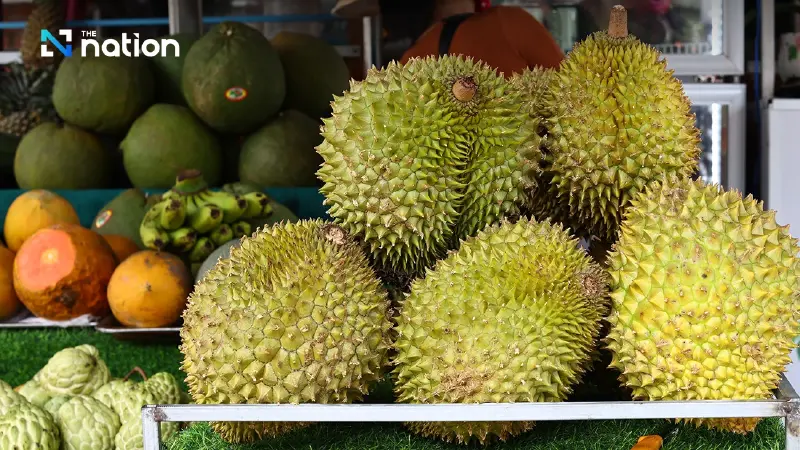


Thailand’s Geographical Indication scheme now protects 252 unique local products, pumping over 114 billion baht into the nation’s grassroots economy
- Thailand's Geographical Indication (GI) scheme, which protects unique "local brands," has generated over 114 billion baht for the nation's grassroots economy.
- The protection scheme now covers 252 registered products across all provinces, including agricultural goods, handicrafts, and processed items.
- An expansion plan for 2026 aims to register 26 additional products, with five new items having already secured protected status this year.
Thailand’s Geographical Indication scheme now protects 252 unique local products, pumping over 114 billion baht into the nation’s grassroots economy.
Thailand’s strategy to transform traditional village wisdom into high-value "local brands" has reached a significant milestone.
The Department of Intellectual Property (DIP) confirmed this week that the country now boasts 252 registered Geographical Indication (GI) products, generating an economic windfall exceeding 114,000 million baht.
The GI designation serves as a prestigious hallmark of quality, legally protecting products whose characteristics are inextricably linked to their place of origin.
Much like the "Champagne" or "Stilton" labels used internationally, the Thai scheme ensures that unique environmental factors—such as Sisaket’s volcanic soil or the specific climate of the Mekong subregion—are marketed as premium assets.
The Economic Engine of the Provinces
The current portfolio spans every province in the kingdom and is categorised into three primary sectors:
Agriculture (167 items): Dominating the list with 24 varieties of rice and 125 types of specialist fruit and vegetables.
Handicrafts (46 items): Including world-renowned textiles like Praewa Kalasin Silk and heritage crafts such as Ratchaburi Dragon Jars.
Industrial & Processed Goods (39 items): Featuring regional wines, spirits, and traditional delicacies like Phetchaburi Palm Sugar.
The 2026 Expansion Programme
Auramon Supthaweetham, director-general of the DIP, has outlined an ambitious expansion plan for 2026. The department aims to register 26 additional products from 23 provinces this year, a move projected to inject a further 2,600 million baht into local communities.
The year is already off to a productive start. As of February 2026, five new products have already secured protected status. These include the intricate Ban Bang Sadet Court Dolls from Ang Thong, the Phuket Seven-Coloured Lobster, and most recently, the Betong Running Water Tilapia from Yala, which was officially registered on 10 February.
Global Ambitions
Beyond domestic growth, the GI scheme is increasingly viewed as a tool for international trade. By formalising the "Thai Local Excellence" brand, the government hopes to elevate community-made goods into the global luxury and speciality food markets.
As these local brands gain traction, the initiative continues to serve its dual purpose: preserving ancient Thai heritage while providing a robust, modernised framework for sustainable rural development.
