
US-Iran war drives SME costs up, bank offers 3% loans
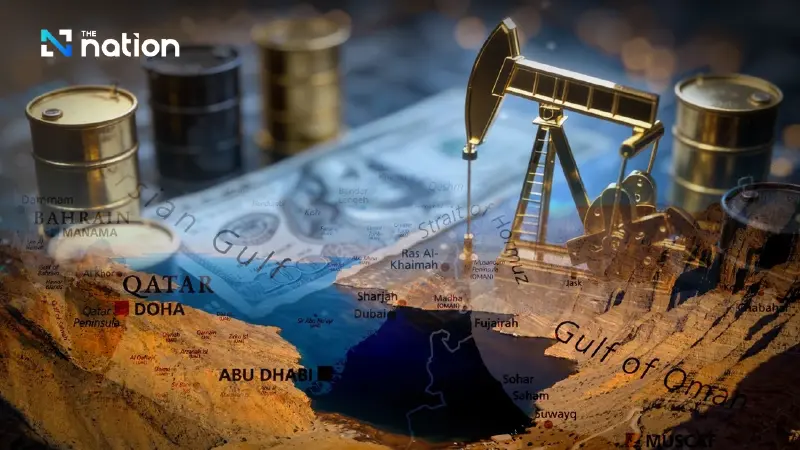


SME D Bank warns the US-Iran war is driving up energy costs for Thai SMEs, hitting manufacturing and tourism, as the state bank rolls out 3% soft loans to support businesses
Thailand’s small and medium-sized enterprises (SMEs) are facing mounting pressure from rising costs triggered by the escalating conflict between the United States and Iran, according to an assessment by the research centre of SME Development Bank of Thailand (SME D Bank).
Phichit Mitrawong, managing director of SME D Bank, said the bank’s research and data centre had evaluated the impact of the geopolitical crisis and found that Thai SMEs are being affected both directly and indirectly.
The most immediate impact is a surge in energy costs, including both direct production expenses and hidden costs throughout supply chains. Prices of fertilisers and petrochemical products are also rising in line with energy costs, adding further pressure on businesses.
These factors could push up overall inflation and complicate the government’s monetary policy decisions, particularly efforts to adjust policy interest rates.
The Thai baht also faces the risk of weakening due to a potential current account deficit, while the government may need to inject more fiscal stimulus into the economy to maintain stability.
Indirect effects are also emerging as the crisis weakens consumer and business confidence. The tourism sector may face a decline in both domestic and international visitors, while logistics costs—particularly freight rates and insurance premiums—are rising sharply.
A deeper analysis shows that the manufacturing sector is likely to suffer the most from rising energy costs, particularly heavy industries such as steel and construction materials, where upstream energy costs can account for 60–70% of total input expenses.
Most service industries will face indirect impacts, although logistics businesses will be directly affected by higher fuel costs.
From a regional perspective, businesses in Thailand’s Northeast are considered the most vulnerable. The region already faces structural challenges including falling agricultural prices, natural disasters and tensions along the Thai-Cambodian border, which could worsen the economic impact.
Despite the crisis, Phichit said there could also be new opportunities. Thai exporters may benefit from supplying goods that replace products previously produced in parts of the Middle East affected by conflict, particularly in food and processed agricultural products.
The situation may also accelerate investment in green energy, energy-efficiency technologies and electric vehicles, while Thailand could benefit from production relocation or migration by high-income foreigners seeking safer destinations.
For Thai SMEs to survive the crisis, Phichit emphasised the need for systematic cost management, covering both variable and fixed costs. Businesses should prioritise reducing energy consumption through energy-saving technologies, while creating product differentiation to increase value.
He also recommended diversifying into new markets and adopting innovation to reduce long-term costs.
To support SMEs through the crisis, SME D Bank has introduced a comprehensive assistance package. Financial measures include three special loan programmes with a fixed interest rate of just 3% per year for the first three years and repayment periods of up to 10 years.
These include the SME Green Productivity loan, offering up to 30 million baht to support machinery upgrades and clean energy equipment; the “Beyond SME” loan, also up to 30 million baht, aimed at improving business productivity and expansion; and the “SME Power Up” loan, providing up to 1 million baht for small entrepreneurs without requiring collateral.
In addition to financial support, the bank is also strengthening capacity-building initiatives through its DX by SME D Bank platform, which offers 24-hour access to knowledge on product development, marketing and production standards.
The bank will also organise advisory activities throughout the year to help entrepreneurs transition towards green industries and achieve sustainable growth. Businesses interested in the programmes can apply at SME D Bank branches nationwide or through the bank’s online channels.
