
Global Brands Vow to Absorb Costs as Thai Fuel Prices Surge by 20%
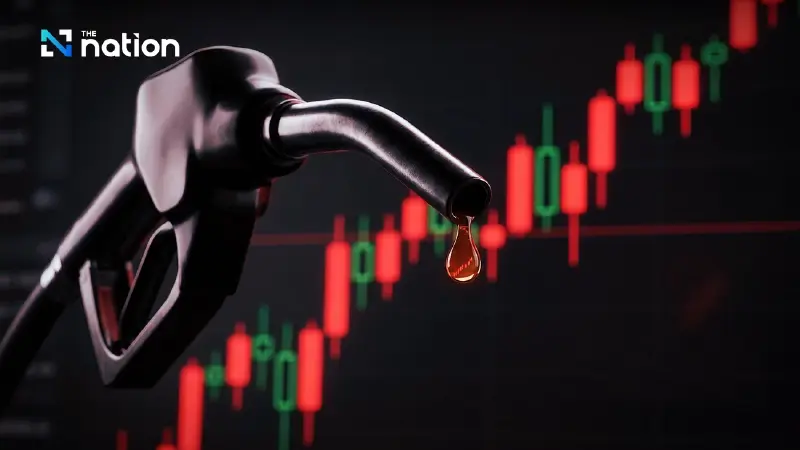


Oral-B, Nestlé, and Mama noodles pledge to freeze prices until at least June, despite a 6-baht per litre hike in diesel squeezing profit margins
- Major global brands, including Oral-B, Nestlé, and Mama noodles, have pledged to freeze their retail prices in Thailand.
- This decision is a direct response to a 20% surge in diesel fuel prices, which has increased production and transportation costs.
- The companies have committed to absorbing the higher costs and maintaining current prices until at least June.
- Manufacturers are also resisting attempts by distributors to pass on the full fuel hike, insisting that all parties in the supply chain must share the financial burden.
Oral-B, Nestlé, and Mama noodles pledge to freeze prices until at least June, despite a 6-baht per litre hike in diesel squeezing profit margins.
Households across Thailand have been handed a temporary reprieve as some of the world’s largest consumer brands vow to "swallow" rising production costs rather than passing them on to shoppers.
Following a 6-baht ($0.18) per litre hike in fuel prices—representing a sharp 20% increase—major players including Oral-B, Nestlé, and Mama instant noodles have confirmed they have no immediate plans to raise retail prices.
"Swallowing the Bitter Pill"
Pawee Taechoyotin, marketing director for Oral-B, stated that while the fuel spike impacts every sector, the company is prioritising efficiency over price hikes.
"We are reviewing the impact; if costs rise by 10%, it may hit our profits by around 2%," Pawee explained. "We can swallow that. Even if the total increase reaches 10 baht, we are committed to maintaining current prices until at least June."
The company is reportedly pivoting its strategy toward "hyper-efficient" digital marketing to offset the squeeze on margins, ensuring every pound spent on advertising reaches its target audience with maximum precision.

Supply Chain Pressures
The sentiments were echoed by food giant Nestlé, where sources say the current priority is "product availability" over price adjustments.
Despite significant inflationary pressure on energy, raw materials, and packaging, Nestlé continues to run promotional discounts on staples such as coffee and UHT milk.
However, the outlook for the food industry remains cautious.
Pun Paniangvait, general manager of Thai President Foods (the manufacturer of Mama noodles), warned of indirect consequences.
He noted that as palm oil is diverted to produce biodiesel, the cost of raw ingredients for food production inevitably climbs.
"The real breaking point for noodle prices isn't transport," Pun remarked. "It is when the price of wheat flour and palm oil rise simultaneously. That is when the pressure becomes critical."

Tensions at the Distribution Level
The price freeze comes amidst reports of friction within the supply chain. Sources indicate that some mid-stream distribution centres (DCs) attempted to pass the entirety of the fuel increase back to manufacturers.
These requests were reportedly rejected by producers, who argued that distributors are contractually obligated to manage logistics within their agreed-upon service fees (typically 3–4%).
"Everyone must share the burden," a manufacturing source said. "Distributors, retailers, and producers should each absorb a portion of the cost. We cannot simply point fingers and say, 'don’t pass the burden to the public,' while privately trying to offload it onto other businesses."
