
Anutin rejects ‘sick man of Asia’ label, vows new Cabinet next week
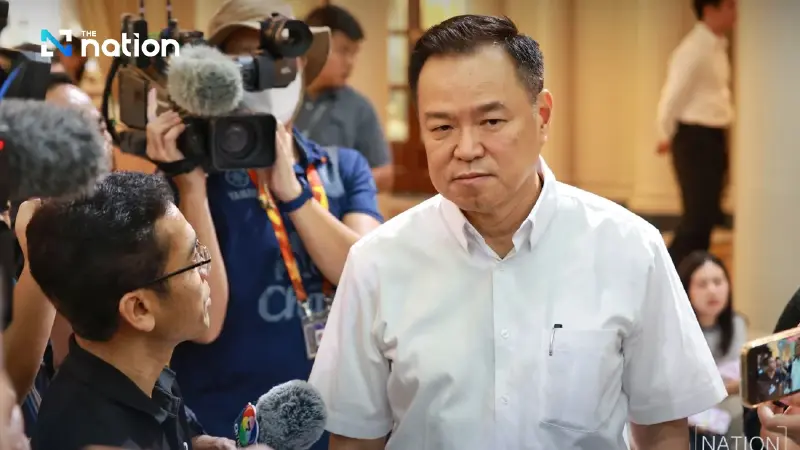


PM Anutin said Thailand is not the ‘sick man of Asia’, insisted investor confidence remains intact and pledged a new government next week to tackle the energy crisis.
Anutin rejects ‘sick man of Asia’ view, vows new government next week
Prime Minister Anutin Charnvirakul on Saturday dismissed any suggestion that Thailand had become the “sick man of Asia”, insisting the country remained stable despite the energy crisis, and said a new government should be in place next week so it could fully tackle the crisis and approve additional budget measures.
Speaking to foreign media at Government House, Anutin was asked about his earlier remark that Thailand would not become the “sick man of Asia” and whether that still held true as the country faced mounting energy pressures.
“We are still okay. We are not sick,” he said.
Asked what message he wanted to send to foreign investors, Anutin said confidence in Thailand remained intact.
“They all still have confidence in Thailand. All of our infrastructure remains the same. Nothing has changed,” he said.
Pressed further on the energy crisis, he said Thailand still had enough energy to support the entire industrial sector and retained strong potential for future investment.
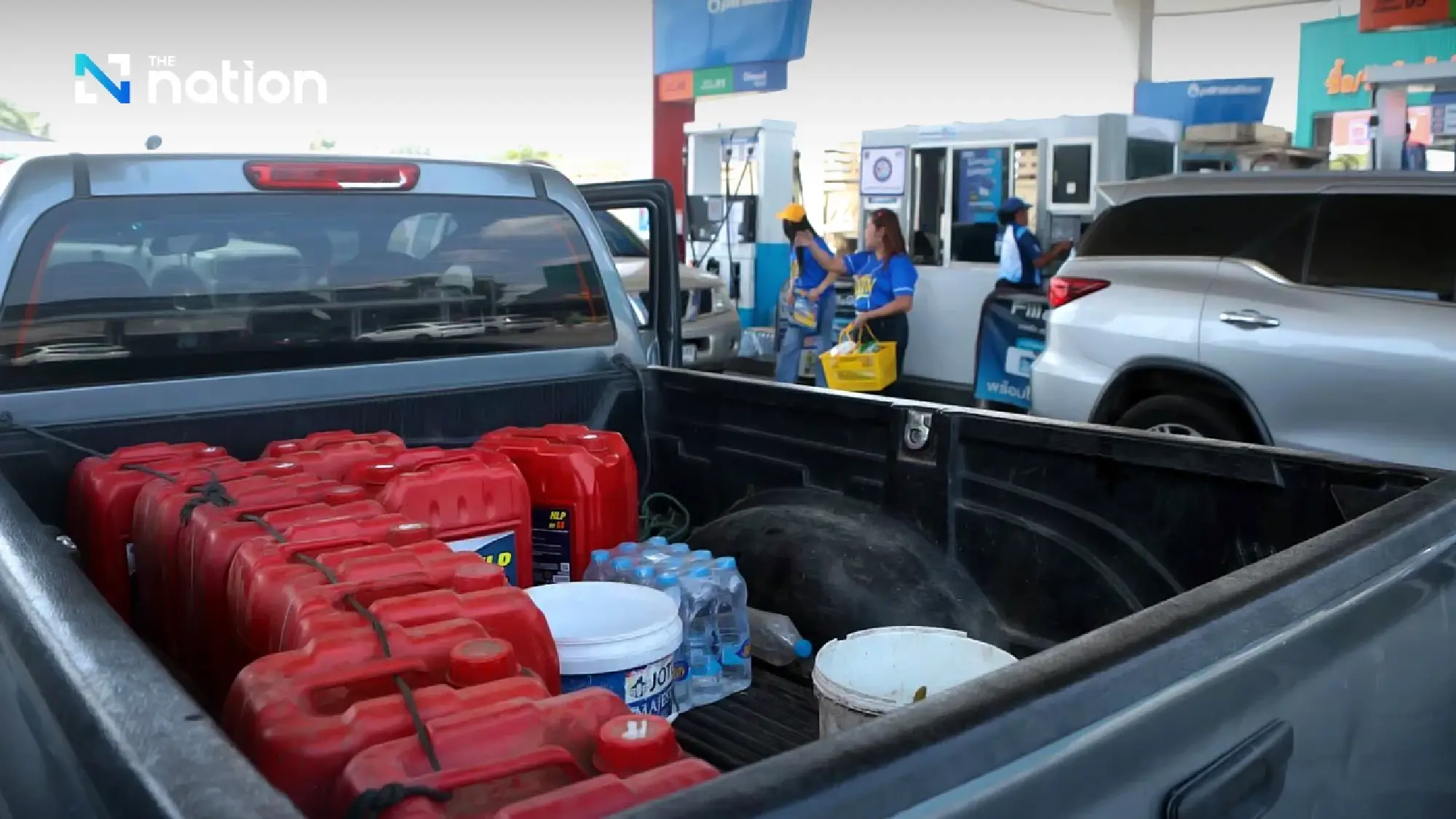

PM says new government should be in place next week
Anutin also said a new government should be in place within next week, allowing the administration to fully exercise its authority in dealing with the energy crisis and approving additional budget measures.
Speaking at the Meet the Press event, titled “One month of global crisis: Thailand’s response in a changed world”, Anutin said this would be the final week of his current administration, as he had already received the list of ministerial nominees from all coalition parties.
He said the names had been submitted for qualification checks to ensure there were no constitutional disqualifications. While some issues had arisen earlier, those had now been resolved.
A meeting is scheduled for Monday, March 30, to confirm that all ministerial nominees are fully qualified, after which the list will be submitted for royal endorsement.
Under the normal legal process, Anutin said, the new government should be formed next week if no further problems arise.
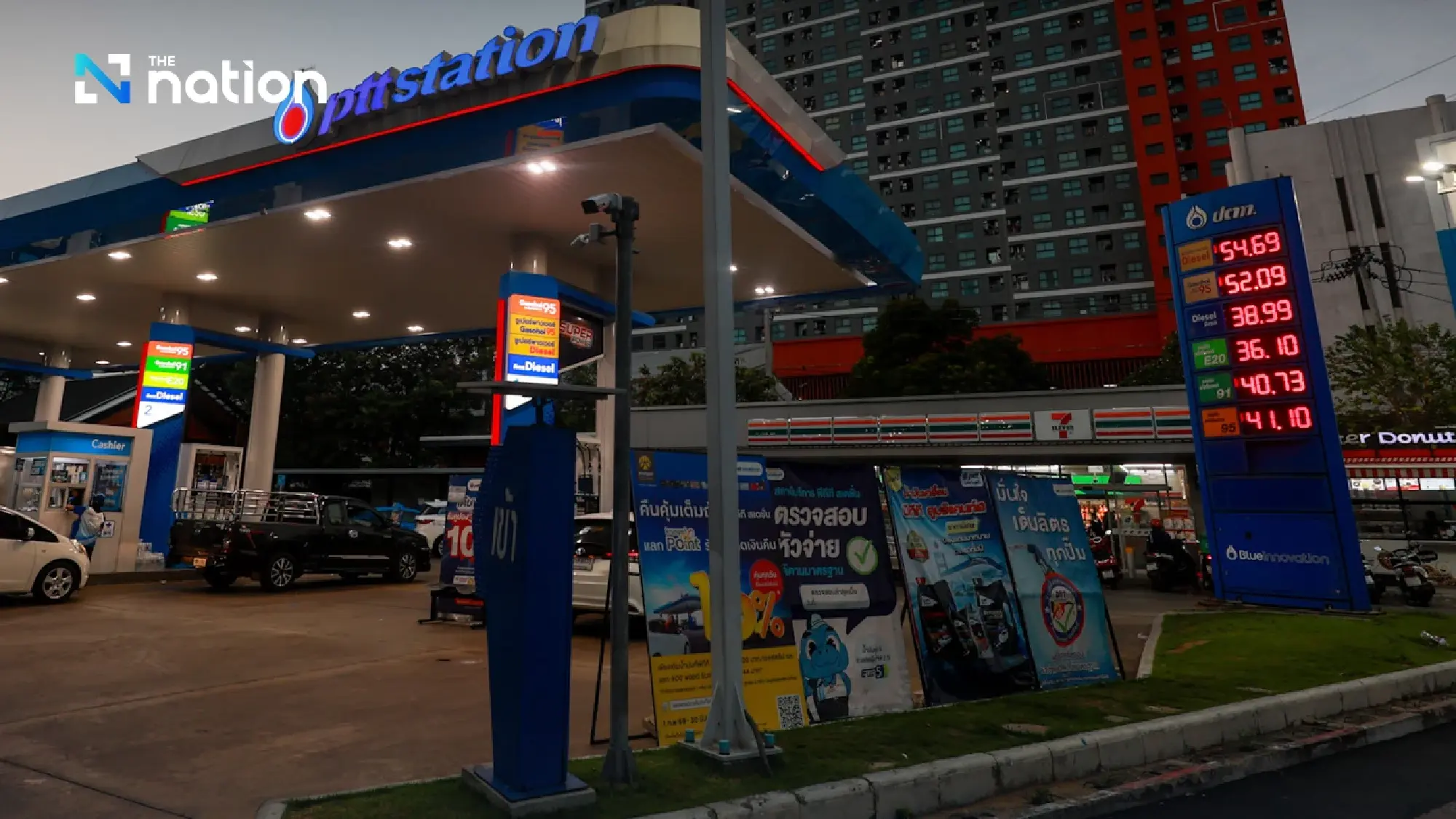

Current administration faces legal limits during transition
Anutin said the current government remained constrained during the transition period and could not introduce measures that would create obligations for the incoming administration, even though he would continue as prime minister.
He said certain actions, especially those involving the use of the central budget, still required approval from the Election Commission, which could slow the government’s response.
In his view, however, the new Cabinet would likely be installed more quickly than the time it would take for the Election Commission to consider and respond to fresh budget requests.
Full powers needed to tackle energy crisis
Anutin said the incoming government would move quickly to deliver its policy statement to Parliament so that it could fully administer the country without legal restrictions.
He said there would be no transition delay because many ministers from the current administration were expected to continue in the next Cabinet.
“There will be no such thing as asking to first observe or try out the job,” he said. “Many ministers in this government will continue serving the public in the next one, so things will certainly move quickly.”
He said the government’s overall approach would focus on strengthening energy security, reducing the impact on vulnerable groups and reviving the economy until the crisis eases.
Energy-saving push tied to new relief measures
Anutin added that if the public helped save energy, the government would have more funding available for additional support measures to ease the burden on households.
He said one such measure would be the Khon La Khrueng Plus scheme, which would be launched quickly to give people more spending options and help stimulate the economy during the oil crisis.
“If we work together and cooperate, we will certainly be able to get through this crisis,” he said.
