
Thai Customs to Abolish Tax Loophole and Impose 40% Duty on Imported Parcels
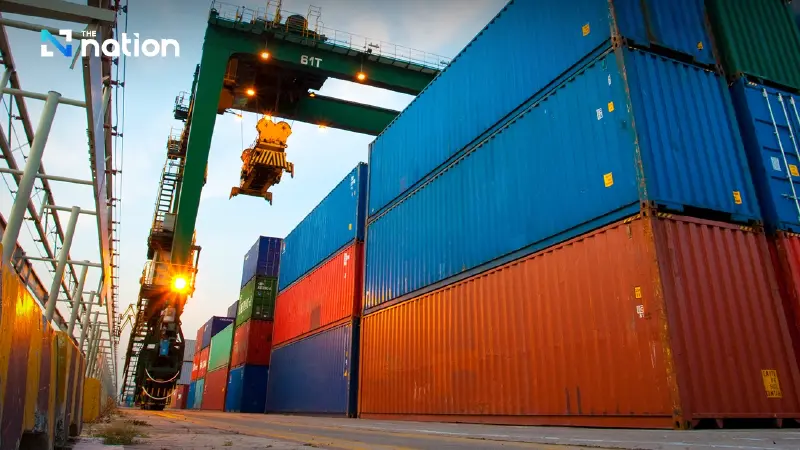


New measures aim to curb the flood of cheap foreign goods and protect local SMEs, with a predicted monthly revenue boost of 300 million baht
- Thailand will abolish the tax exemption for imported parcels valued under 1,500 baht, requiring tax to be paid from the first baht.
- Import duties on many small parcels will be raised to their maximum legal ceilings of 30% or 40%, depending on the product category.
- The new measures are designed to protect local small and medium-sized enterprises (SMEs) from cheap foreign goods and are projected to increase state revenue by 300 million baht per month.
- E-commerce platforms will be mandated to display the actual transaction price on parcels to prevent sellers from under-declaring the value to evade taxes.
New measures aim to curb the flood of cheap foreign goods and protect local SMEs, with a predicted monthly revenue boost of 300 million baht.
The Thai Customs Department is preparing a sweeping overhaul of its import tax regime, a move designed to shield the nation's small and medium-sized enterprises (SMEs) from a "tidal wave" of low-cost foreign products.
Under the new proposals, the long-standing tax exemption for postal items valued under 1,500 baht will be abolished, with duties on many small parcels set to hit a legal ceiling of 40%.
Phantong Loykulnanta, director-general of the Customs Department, confirmed that the agency is moving to close significant "economic leaks"caused by the surge in cross-border e-commerce.
The proposed measures, aligned with the government's "10 Plus" economic strategy, follow extensive consultations with the Federation of Thai Industries and the Board of Trade of Thailand.
Closing the 1,500 Baht Loophole
Historically, Thailand has utilised the Customs Tariff Decree (1987) to exempt low-value goods from duty to facilitate trade. However, in the digital era, this has allowed foreign vendors to bypass the domestic economy entirely.
"This form of importing provides no added value to the Thai economy," Phantong stated. "Unlike traditional trade models, these foreign sellers do not rent local warehouses or utilise domestic logistics infrastructure. They send directly to the consumer, benefitting from exemptions while contributing nothing to local circulation."
To rectify this, the department plans to collect import tax from the very first baht. It is estimated that this change alone will generate an average of 300 million baht in additional monthly revenue for the state.

Targeting E-Commerce Giants
The crackdown will also involve a new level of cooperation with major e-commerce platforms, including TikTok, Temu, Shopee, and Lazada. These platforms will be mandated to display the actual transaction price clearly on the exterior of every parcel.
This transparency is intended to prevent "under-declaration"—a common tactic where sellers list a false, lower value to evade taxes. Officials warned that stricter inspections would also be extended to smaller, independent vendors operating outside the main platforms.
Hiking Duties to the Ceiling
In perhaps the most aggressive move, the department intends to exercise its power to raise import duties on small parcels to their maximum legal limits. Currently, these ceilings sit at 30% and 40% depending on the product category.
"Take plastic goods, such as mobile phone cases," Phantong explained. "Items that previously faced a mere 5% duty may now be adjusted to hit the 30% ceiling. This ensures that the cost of imported goods reflects the reality of the market and provides a level playing field for Thai manufacturers."
A Three-Phased Strategy
Acknowledging that a total structural overhaul cannot happen overnight, the Customs Department has outlined a phased approach:
Short-term: Seeking Cabinet approval to shift tax ceilings using existing legal mechanisms.
Medium-term: Gradually rolling out broader enforcement and compliance measures.
Long-term: Proposing formal amendments to the Customs Tariff Decree to modernise the tax code for the digital age.
