
Fuel costs may ground 70% of Thai fishing boats after Songkran
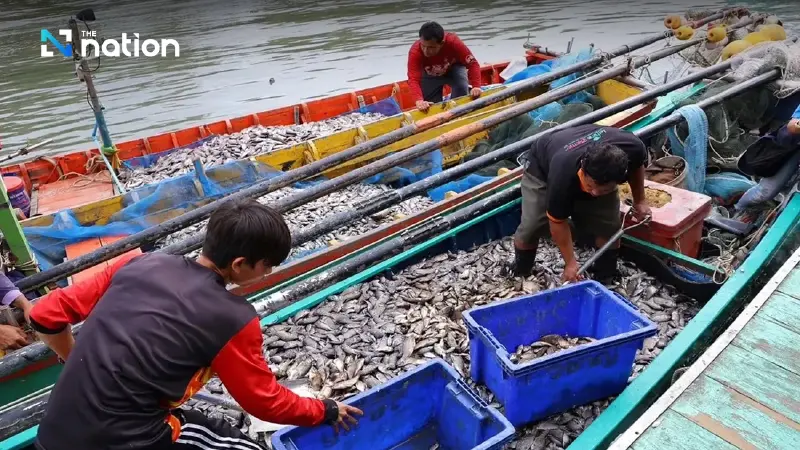


Thailand’s fishing industry warns that surging oil prices could force most boats to stop operating after Songkran, squeezing seafood supply and putting about 50,000 jobs at risk.
- Soaring oil prices have pushed fuel costs above the 33 baht per litre threshold that Thailand's fishing industry can sustain.
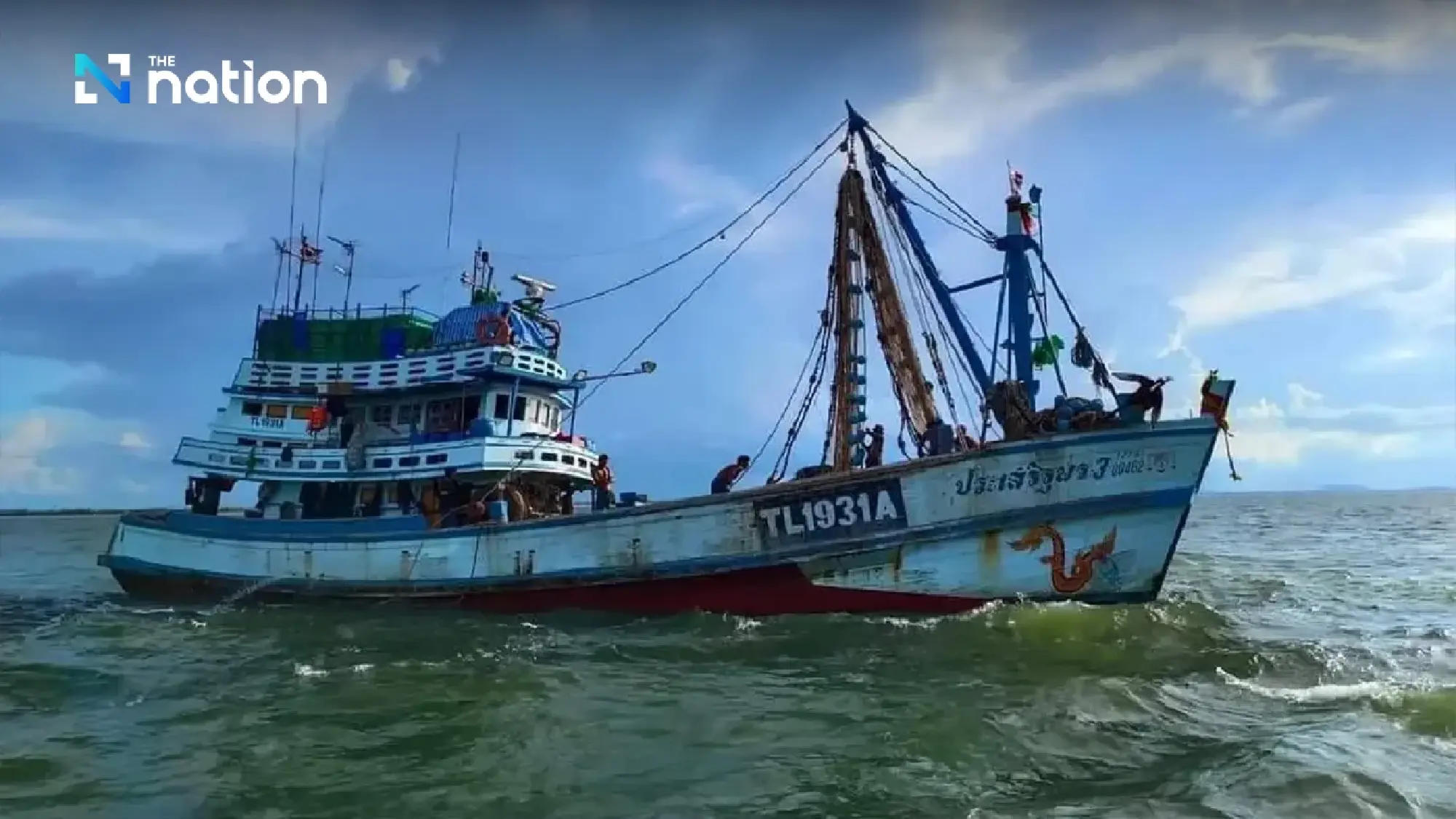
- As a result, 70% of the country's fishing boats are expected to stop operating after the Songkran festival, starting from April 16.
- This halt in operations could remove 70% of domestic seafood from the market and affect the jobs of approximately 50,000 workers.
Thailand’s fishing industry has warned that soaring oil prices could force 70% of fishing boats to stop operating after Songkran, threatening domestic seafood supplies and affecting around 50,000 workers.
Sarawut Thowsakul, an adviser to the National Fisheries Association of Thailand, said the war in the Middle East had driven up oil prices, directly hitting the fishing sector because fuel accounts for its largest operating cost.
He said 40–50% of boats had already been forced to remain docked, covering both the country’s 6,000 commercial fishing vessels and 15,000–16,000 small-scale fishing boats.

Seafood prices yet to rise despite supply pressure
Despite the cost shock, seafood prices in Thailand have not yet increased compared with the period before the war, he said.
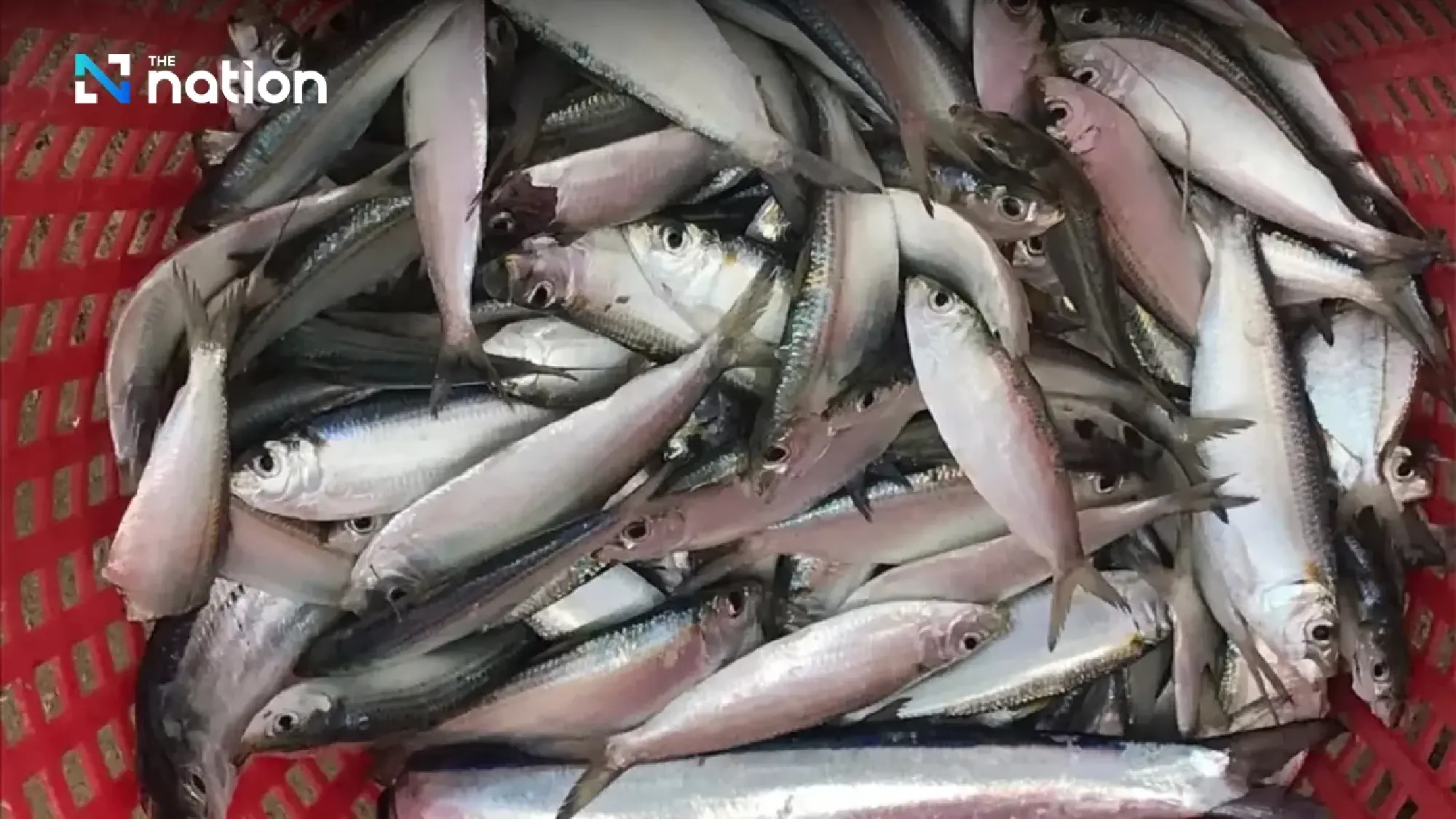
Fish supplied to restaurants, including grouper, pomfret and red snapper, have remained at the same prices. White fish, surimi and mackerel have also stayed unchanged, while squid prices have fallen by 10% overall.
Sarawut said the main reason was weaker consumer spending caused by concern over higher fuel prices and fears of shortages. Tourism had slowed, fewer people were eating out, and restaurants had reduced purchases of raw materials.

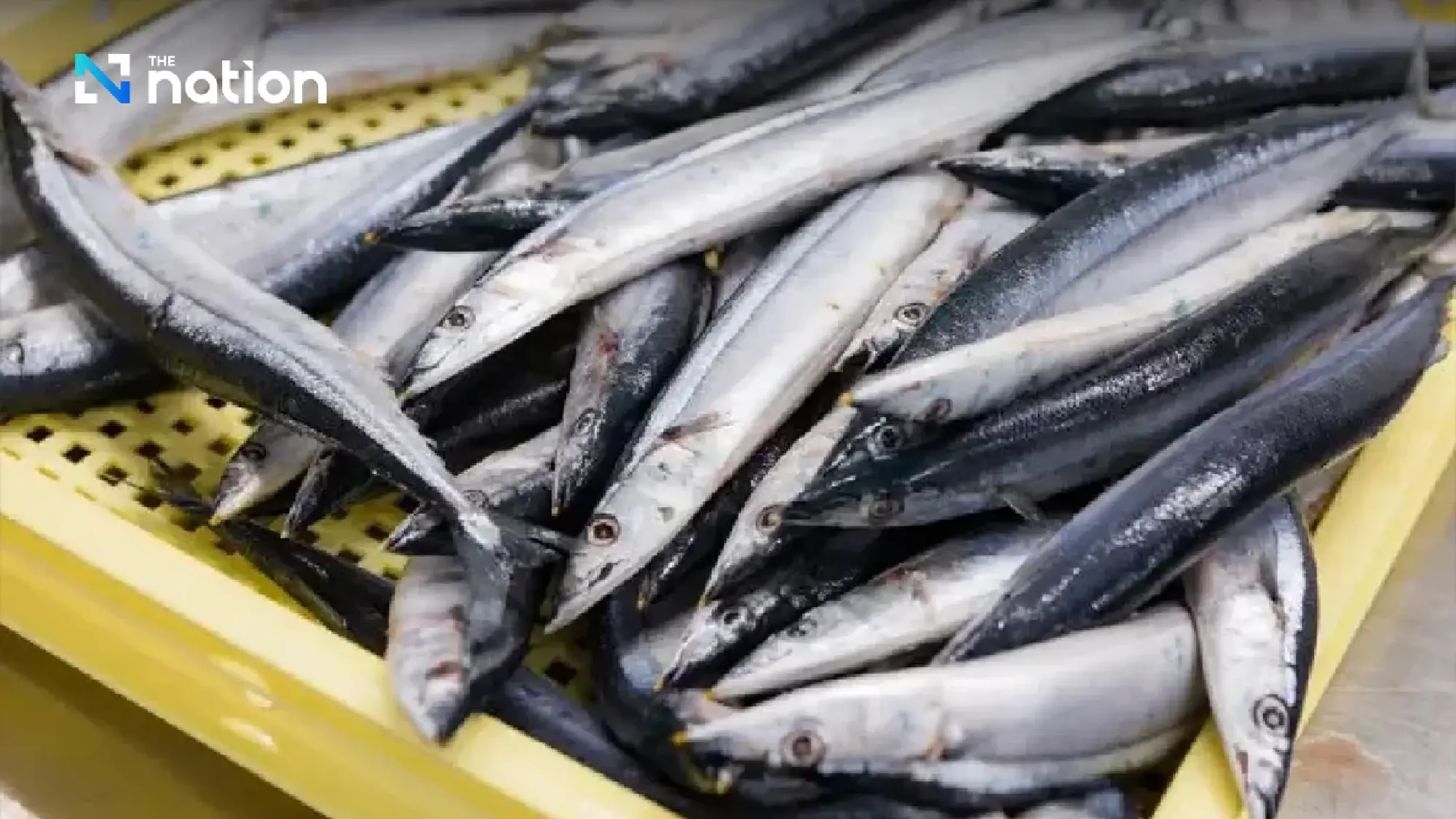
At the same time, imported seafood has flooded into Thailand from India and Yemen, in addition to regular imports from Myanmar, which already account for about 60% of seafood sold in the domestic market.
He said seafood retailers normally sell their products within the same day, but now it is taking up to three days to clear stock.
Although tourism has started to recover after the government announced the fuel price increase and said there would be no shortage, the rebound has remained limited. Domestic fuel prices are also still expected to rise in further rounds.

More boats expected to stop operating this month
Sarawut said E20 fuel currently costs 40 baht per litre, above the level the fishing sector can absorb, which is no more than 33 baht per litre.
As a result, from April 5, around 40% of fishing boats will have to remain ashore, while the rest may still go out to catch enough seafood to supply the Songkran period.
After Songkran, however, the situation is expected to worsen sharply. From April 16 onwards, 70% of boats are expected to stop operating, and by the end of April only 10% of the fleet may still be able to go out to sea.

He warned that this would remove at least 70% of domestic seafood from the market and leave factories without enough raw materials.
Workers on fishing boats may have to switch to working every other day, or only once every three days, while industrial plants may also have to revise their hiring plans. In total, around 50,000 workers are expected to be affected.
Imports undercut local catch
Sarawut said seafood prices received by fishermen after Songkran were likely to rise by only 10–15%, even though they should be increasing by 30%, because local operators could not compete with lower-cost imports.
He said imported seafood could instead see prices rise by 40–50% as domestic products disappear from the market, while consumers would still end up paying high prices.
According to Sarawut, Thailand’s tightening of fisheries regulations to comply with measures against illegal, unreported and unregulated (IUU) fishing has led to many vessels leaving the system, reducing the supply of seafood available for factories.
That has allowed operators to seek imports by claiming the products are intended for export, he said. Yet over the past decade, imported seafood such as squid has been found widely on sale in fresh markets and street markets, labelled as originating from Peru and Argentina, and has also appeared in restaurants.
He added that seafood from India and Yemen, which could no longer be exported to the Middle East, had been discounted by 30–40%. Thai importers then bought large volumes to fill their stocks and sold them in local fresh markets, directly competing with Thai seafood, which carries higher production costs.

Call for tighter import controls
Sarawut urged the government, particularly the Commerce Ministry, to review and allocate import quotas for seafood more carefully and to ensure that imports are strictly limited to re-export purposes.
He said imported seafood should be barred from being sold in restaurants, fresh markets and street markets in Thailand, arguing that those outlets should be reserved for Thai fisheries.
Such a move, he said, would at least give the domestic fishing sector a fighting chance if fuel prices remain at around 35 baht per litre.
