
Thai Cabinet Unveils Multi-Billion Baht Stimulus to Counter Middle East Crisis Volatility
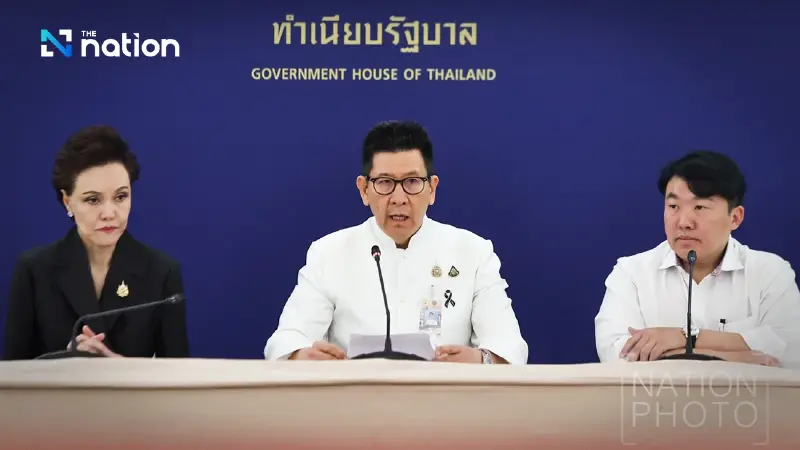


The Thai government launches an emergency package to curb inflation, protect SMEs, and bolster energy security as regional tensions threaten growth
- The Thai government has approved a stimulus package to counter potential stagflation by providing direct financial aid to the public, including increased allowances for 13.22 million welfare cardholders and subsidies for fuel and transport.
- A 20-billion-baht fund is dedicated to supporting Small and Medium-Sized Enterprises (SMEs) through low-interest loans, debt relief, and incentives for upgrading to green technology.
- To enhance energy independence and support agriculture, the package includes a 5-billion-baht soft loan pool for household solar and EV adoption and a 30-billion-baht interest subsidy scheme for farmers.
- The stimulus is partially funded by cost-cutting measures, such as cancelling international trips for state agencies and encouraging public sector employees to work from home to reduce national energy consumption.
The Thai government launches an emergency package to curb inflation, protect SMEs, and bolster energy security as regional tensions threaten growth.
The Thai Cabinet has approved an extensive emergency stimulus package aimed at shielding the domestic economy from the escalating conflict in the Middle East.
The measures are designed to prevent "stagflation"—a precarious combination of stagnant economic growth and soaring inflation—by balancing direct public subsidies with a massive credit injection for the industrial sector.
Deputy Prime Minister and Finance Minister Ekniti Nitithanprapas detailed a four-pillar strategy focused on immediate relief on Saturday.
To mitigate the rising cost of living, the government is increasing the monthly allowance for 13.22 million state welfare cardholders, raising the spending limit for essential goods from 300 to 400 baht for one month, effective 13 April.

The finance ministry is also leveraging state banks to drive energy independence:
Government Savings Bank (GSB): A 5-billion-baht soft loan pool for households to install solar cells or purchase electric vehicles (EVs), with loans capped at 2 million baht per person.
Government Housing Bank (GHB): Offering "Green Home" mortgages with interest rates as low as 2.20%.
Agriculture: The BAAC has launched a 30-billion-baht "half-interest" scheme, where the state covers 3% of the interest for farmers purchasing fertilisers and seeds.
To manage the energy spike, the Cabinet earmarked 2,061 million baht to subsidise fuel for lorries and public transport for 42 days, alongside a 200-million-baht injection to lower public transport fares during the Songkran festival.
Industry Ministry: A 20-billion-baht Lifeline for SMEs
Parallel to the public subsidies, Minister of Industry Varawut Silpa-archa announced a targeted 20-billion-baht injection to support Small and Medium-Sized Enterprises (SMEs) struggling with rising operational costs.
This industrial package is built upon a "Three Reductions" philosophy: reducing principal, interest rates, and monthly instalments for vulnerable debtors.
The Industry Ministry’s strategy focuses on three dimensions:
Capital Access: 20 billion baht in liquidity for small and medium players, featuring the "SME Green Productivity" loan. This offers a 3% fixed interest rate for the first three years to help factories upgrade to green technology.
Debtor Relief: Tailored restructuring for "fragile" businesses, allowing them to maintain employment and stay afloat despite energy price volatility.
Capacity Building: The "DX by SME D Bank" platform will provide 24-hour online training and workshops to help businesses "upskill" and pivot toward the green economy.

To fund these measures, the Cabinet has ordered all state agencies to "tighten their belts" by cancelling international study trips in favour of domestic alternatives.
Public sector employees have also been encouraged to Work From Home (WFH) where possible to reduce national energy consumption during the crisis.
