
Koh Kret Rang Daeng tea joins Nonthaburi’s protected GI list
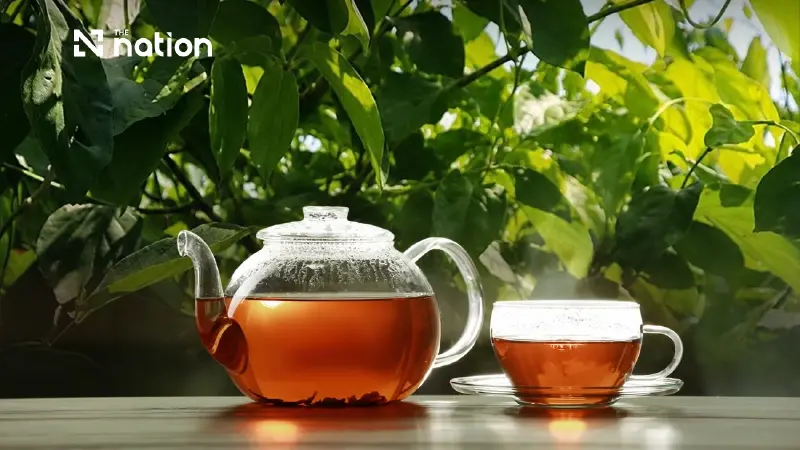


Koh Kret Rang Daeng tea joins Nonthaburi’s GI register, with 22 producers making about 8,000 kilograms a year and generating more than 8 million baht.
- Koh Kret Rang Daeng tea has been officially registered as Nonthaburi's fifth geographical indication (GI) product, a status protecting its origin and quality.
- The GI recognition is based on the unique tea-processing methods passed down through generations by the island's Thai-Mon community.
- Its distinctive color, aroma, and flavor are attributed to the combination of these traditional techniques and the local Rang Daeng plant, which thrives in Nonthaburi's specific river plain geography.
- The registration aims to increase the tea's economic value, which currently generates over 8 million baht annually, and connect its production with local tourism and culture.
Koh Kret Rang Daeng tea has been registered as Nonthaburi’s fifth geographical indication, or GI, product, recognising traditional tea-processing methods passed down through the island’s Thai-Mon community.
Auramon Supthaweethum, director-general of the Department of Intellectual Property, explained that the tea is made from the leaves of the Rang Daeng plant (Ventilago denticulata Willd.), which grows well in Nonthaburi.
Producers carefully select the leaves before reducing their moisture content and roasting them using techniques practised by the Thai-Mon community on Koh Kret for generations.
The department attributed the tea’s distinctive colour, aroma and flavour to a combination of carefully selected local ingredients, traditional processing methods and the province’s geographical conditions.

River plain conditions shape the tea
Nonthaburi lies on the low-lying plains of the Chao Phraya River, where fine clay and loose, mineral-rich soil have formed from sediment deposited by the river.
The province’s hot and humid climate, together with year-round rainfall, also provides suitable conditions for the Rang Daeng plant.
Although much of the area is prone to waterlogging, the native plant grows well under these conditions, producing good-quality leaves and thick stems.
During processing, the leaves are left to dry or gently heated to remove moisture before being roasted at a controlled temperature.
When brewed in hot water, the tea ranges in colour from golden yellow to clear amber. It has a fragrant, rounded flavour, with a mild sweetness that lingers on the palate without the astringency or bitterness associated with some teas.
The tea is also marketed as a health drink. The department cited claims that it may help reduce fat, cholesterol, blood sugar and blood pressure levels.

Fifth GI product in Nonthaburi
Koh Kret Rang Daeng tea follows Koh Kret pottery, Bang Krang Wrapped Santol, Nont Durian and Nonthaburi Yai Klam Mango as the province’s fifth registered GI product.
There are currently 22 Koh Kret Rang Daeng tea producers, with a combined production capacity of about 8,000 kilograms a year. The sector generates more than 8 million baht annually, while Nonthaburi’s five GI products have a combined economic value of more than 64 million baht a year.
The department plans to use the registration to increase the value of local agricultural resources and community knowledge while connecting tea production with tourism, local culture and the Thai-Mon way of life on Koh Kret.
“The Department of Intellectual Property believes Koh Kret Rang Daeng tea could become a model for using intellectual property to add value to distinctive local products, while showcasing the knowledge of the Mon community and preserving Koh Kret’s identity,” Auramon noted.
“It could also connect tourism, culture and the community economy, helping to generate income, improve local people’s quality of life and strengthen producer communities over the long term.”

Support to focus on standards and market access
Auramon added that the GI registration reflected the implementation of a policy led by Deputy Prime Minister and Commerce Minister Suphajee Suthumpun, which prioritises increasing the value of agricultural products and goods associated with community identity.
The policy also includes linking GI production areas with community tourism destinations, allowing visitors to experience local ways of life, traditional knowledge, culture and distinctive products at their places of origin.
The department expects the approach to increase product value, distribute income within communities and support sustainable growth in local economies.

