
Thailand Property Market Faces ‘Mortgage Rejection Crisis’ as Mass Buyers Struggle to Secure Loans
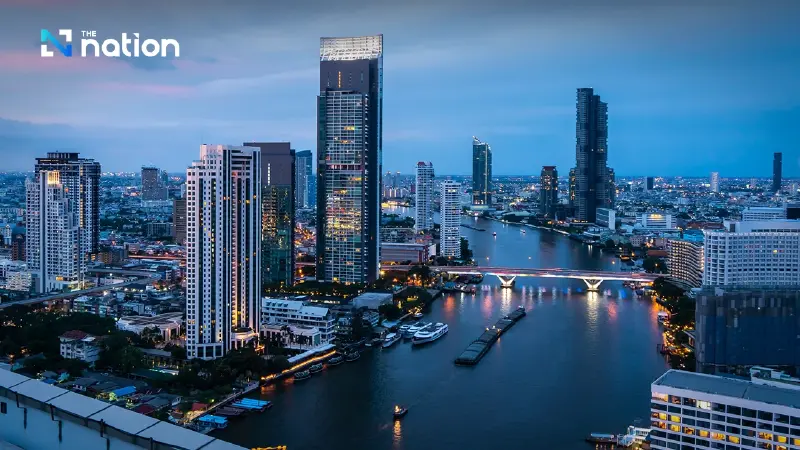


Six key locations in Bangkok present a double-edged sword of high-end growth and mounting risk for developers retreating from the affordable segment
- Thailand's property market is experiencing a "Mortgage Rejection Crisis," with loan rejection rates for homes priced under 3 million baht reaching a high of 70%.
- The crisis is driven by the inability of mass-market and lower-income buyers to secure financing, stemming from a severe downturn in purchasing power and high household debt.
- In response, real estate developers are aggressively retreating from the affordable housing sector to pivot towards the luxury market, which targets affluent buyers less reliant on borrowing.
- For developers still targeting the affordable segment, a key strategy has become actively helping customers secure financing to convert interest into sales.
Six key locations in Bangkok present a double-edged sword of high-end growth and mounting risk for developers retreating from the affordable segment.
A stark divide is emerging in Thailand's real estate sector, with soaring loan rejection rates among lower-income buyers forcing developers to pivot towards the affluent luxury market. Analysts warn of a "Mortgage Rejection Crisis" that threatens the affordability of housing across Bangkok and its surrounding provinces.
According to a report by Bussakorn Phoosae in Krungthep Turakij, citing data from Terra Media and Consulting, the property market is grappling with a severe downturn in purchasing power.
For homes priced under 3 million baht, the mortgage rejection rate has hit an unprecedented high of 70 per cent.
Piyaporn Lertwisuttipaiboon, market research manager at Terra Media, stated that these figures are not just statistics but a clear warning sign of the most persistent issue the Thai property market has faced in years: the inability of mass-market buyers to secure financing.
This crisis has prompted developers to aggressively retreat from the mass housing sector and focus on high-end clientele—individuals with the necessary cash flow who are less reliant on borrowing.
Suburban Real Demand Offers a Lifeline
Despite the systemic risk, Piyaporn notes that genuine opportunities remain.
The market for "real demand"—owner-occupiers—is still viable, particularly for low-rise properties (townhomes and detached houses) priced under 10 million baht in promising suburban locations.
Terra’s survey of over 4,000 projects identifies six zones in Bangkok and its periphery, each requiring bespoke development strategies to navigate their unique set of opportunities and challenges:
Analysis of the Six Key Zones
1. Central Business District (CBD): Locations like Silom and Sathorn are solely a niche luxury segment, where low-rise average prices exceed 65 million baht. The opportunity is in this highly exclusive high-net-worth focus, but the challenge lies in the high cost and intense competition.
2. Urban Zone: Areas such as Chatuchak and Ratchada have seen condo markets hit a 10-year low. However, low-rise townhomes priced under 10 million baht are proving popular for real buyers, presenting an opportunity for affordable, liveable products. The main challenge is the intense competition from a large inventory of second-hand condos.
3. East Zone: Kaset-Nawamin and Onnut are a rising star for the low-rise market, growing at 11 per cent annually, particularly in the sub-10 million baht segment. This is an opportunity for those seeking a real home. The challenge, however, is ensuring the transport and infrastructure can keep pace with this rapid community expansion.
4. West Zone: Pinklao and Rama 2 are experiencing price increases but face high risk. The mass-market homes below 3 million baht are selling well (the opportunity), but there is a major challenge in the oversupply of difficult-to-sell stock in the mid-to-high (10-20 million baht) segment.
5. North Zone: Don Mueang and Rangsit see townhomes and condos supported by Skytrain extensions, offering an opportunity in connectivity. The critical challenge is the significant stock overhang that developers must manage to avoid flooding the market.
6. Nonthaburi Zone: This area has seen the strongest growth for low-rise homes (3-7 million baht), driven by real demand. This segment continues to grow, presenting an opportunity. Conversely, the major challenge is the lingering oversupply of condos from a decade ago, which requires long-term stock clearance.
The Luxury Safe Haven
The analysis concludes that while soaring household debt and elevated interest rates depress overall market activity, two segments offer clear opportunities:
The High-End Market: This acts as a safe haven due to the robust purchasing power of wealthy buyers. Success in this category requires differentiation and offering superior value over simple square footage.
The Mass/Affordable Market (3-10M baht): For developers targeting this segment, the crucial strategy is shifting from simply selling units to actively helping customers secure financing, effectively ensuring their loans "pass" to convert interest into sales.
Ultimately, the future of Thai property is moving from selling mere shelter to selling "quality of life." The new mandate for developers is to deliver a better life at an accessible price point, redefining the market amidst a tightening credit environment.
