
3 prime residential areas around Bangkok: Srinakarin-Bangna-Pathum Thani thrive
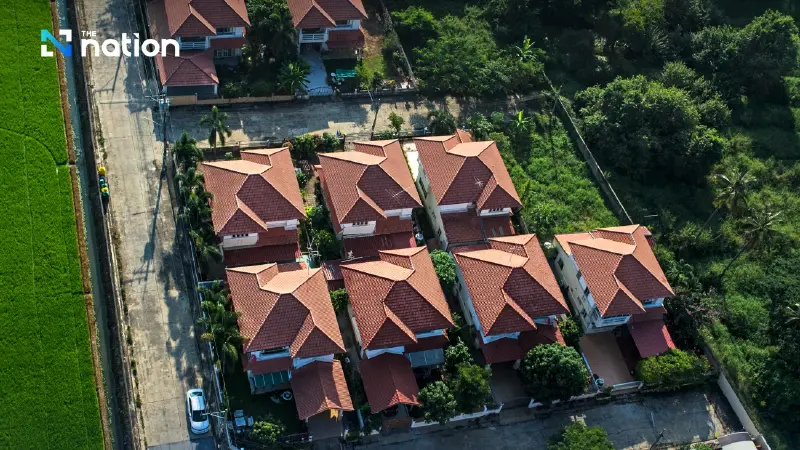


Srinakarin, Bangna, and Pathum Thani continue to thrive as prime residential areas, driven by strong infrastructure and workforce demand, despite slower property market growth
Despite a slowdown in the real estate market, certain prime residential areas around Bangkok continue to thrive due to strong infrastructure support and demand. Areas such as Srinakarin, Bangna, and Pathum Thani remain attractive for both homebuyers and investors.

Srinakarin and Bangna, located along the Bangna-Trad Road, have undergone significant transformations over the past decade, evolving from traditional residential neighborhoods to bustling business centers. The completion of the Yellow Line MRT and the major renovation of Central Bangna have made these areas prime spots for both office and residential buildings. Land prices along Bangna-Trad now reach 100,000-300,000 THB per square wah, with luxury condominiums ranging from 38,000 THB to 200,000 THB per square meter, reflecting the purchasing power of working professionals and executives looking for convenience without the congestion of central Bangkok.
Samut Prakan continues to serve as the economic backbone of Bangkok, with its many industrial estates, including Bangpoo and Suvarnabhumi, generating strong demand for affordable housing. Townhouses and single detached houses in the price range of 2-4 million THB remain popular, with many units selling quickly.
Meanwhile, Pathum Thani, particularly around Thammasat University and the Talad Thai area, is seeing significant development. The area, once known for agriculture and commerce, is now becoming a "university city" with increasing demand for student housing and campus condos. Properties around Thammasat University have seen prices rise to 70,000-80,000 THB per square meter, with many projects selling out during pre-sale stages.

Despite changing market conditions, these areas continue to show solid growth potential. Developers and investors looking to secure long-term returns are increasingly focusing on locations with strong infrastructure, such as transport hubs, major retail centers, and employment sources.
In 2026, the key to success in property investment is selecting areas with an "ecosystem" in place—areas that have a combination of transport connectivity, access to major employers, and proximity to educational institutions. While the number of new births may decline, areas close to transportation networks, reputable universities, and evolving industrial hubs will continue to be valuable assets that generate good returns.

