
Thailand: Government Bans All Official Links in Texts and Emails to Fight Scams
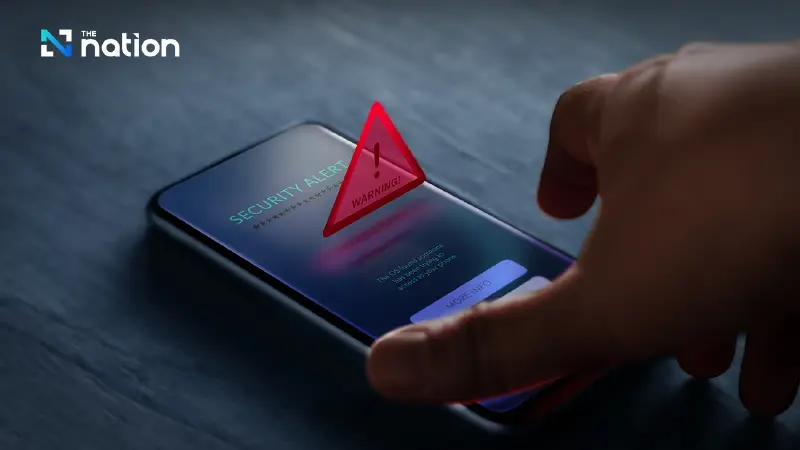


Cabinet approves landmark measure forcing state agencies to communicate without embedded links; citizens warned to treat any linked message claiming to be from the government as fraud
- The Thai government has banned all of its state agencies from sending SMS messages and emails that contain embedded links.
- This policy was enacted to combat online scams where criminals impersonate government entities to deceive the public with fraudulent links.
- Citizens are now instructed to automatically consider any message with a link claiming to be from a government agency as fraudulent and report it.
- The new measure is an escalation of previous anti-scam efforts, including a similar ban on links already imposed on financial institutions by the Bank of Thailand.
Cabinet approves landmark measure forcing state agencies to communicate without embedded links; citizens warned to treat any linked message claiming to be from the government as fraud.
The Thai government has adopted a stringent new measure in its war against cybercrime, effectively banning all state agencies and regulated entities from sending SMS text messages or emails that contain embedded links.
Chaichanok Chidchob, Minister of Digital Economy and Society (DE), announced that the Cabinet (Council of Ministers) approved the new directive, which aims to decisively close a major loophole exploited by scammers targeting the public.
Under the policy, citizens are now instructed to presume that any communication featuring a link and claiming to be from a government body is fraudulent.
They are advised to report the message to the police and the impersonated agency immediately.
"The DE Ministry has imposed this control measure because this channel is still heavily exploited by scammers to deceive the public," Chaichanok stated. "The goal is for the public to understand unanimously that 'government agencies will not send any links via SMS or email,' and any such messages should be treated as criminal impersonation."
Closing the 'Headwaters'
The move is the culmination of efforts led by the Committee on the Prevention and Suppression of Technological Crime.
Although the Royal Thai Police, telecom providers, and financial regulators had implemented increased screening, criminals continued to find ways to breach systems using sophisticated malware and fake website links.
This final measure is designed to control the "headwaters" of the communication channel, ensuring clarity for the public:
Financial Sector Precedent: The ban aligns with an existing directive from the Bank of Thailand (BoT), which already prohibits financial institutions from sending SMS messages with links to customers (since July 2025).
Telecom Regulation: The NBTC (National Broadcasting and Telecommunications Commission) has also tightened rules (since August 2025), requiring all bulk senders to register their name and mandating link verification before messages are delivered.
Despite these previous efforts, the continued severity of online crime—which has been designated a "National Agenda"—necessitated this bold, unifying step from the government itself.
Chaichanok emphasised that the ban will empower citizens to be more vigilant, refrain from clicking links, and assist law enforcement in investigating the source of the fake messages.
