
Thai Silk Goes Global: Royal Initiative Drives Kimono Collection Launch in Japan
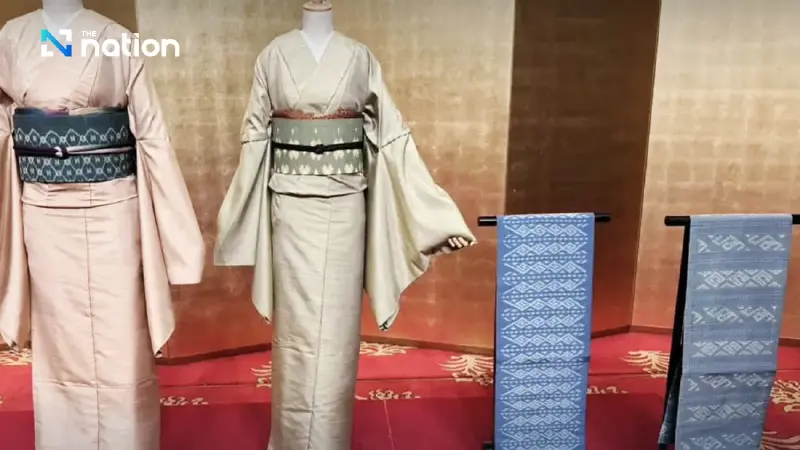


Thailand partners with a key Kyoto merchant to launch the 'Thai Fabric Kimono' collection, transforming local silks into high fashion under a royal preservation scheme
- A "Thai Fabric Kimono" collection is being launched in Japan through a partnership between Thai trade organizations and a prestigious Kyoto-based merchant, OMIYA Co., Ltd.
- The project is a direct extension of the royal initiative “Pha Thai Sai Hai Sanuk” (Thai Fabric, Fun to Wear), championed by Princess Sirivannavari to promote Thai textiles globally.
- The collection uses specially selected Thai woven silks from historically significant weaving communities in Sakon Nakhon and Nakhon Phanom provinces.
- This initiative marks a significant step in elevating Thai craftsmanship, with some fabrics being exported to the international market for the first time.
Thailand partners with a key Kyoto merchant to launch the 'Thai Fabric Kimono' collection, transforming local silks into high fashion under a royal preservation scheme.
Thailand’s woven textiles are set for a major push into the Japanese market as the Department of International Trade Promotion (DITP) and the Support Arts and Crafts International Centre of Thailand (SACIT) prepare to launch a unique “Thai Fabric Kimono” collection later this month.
The collection, developed in partnership with OMIYA Co., Ltd., a prestigious kimono fabric merchant based in Kyoto, is a direct extension of the royal initiative “Pha Thai Sai Hai Sanuk” (Thai Fabric, Fun to Wear), championed by Her Royal Highness Princess Sirivannavari Nariratana Rajakanya.
Sunanta Kangvalkulkij, Director-General of the DITP, confirmed that the official launch will take place on November 25, 2025, in Tokyo and Kyoto.
The project aims to uphold the royal wish of Her Majesty Queen Sirikit The Queen Mother to revitalise and promote Thai fabrics globally, enhancing their international image and export value.
The collaboration began with the signing of a Memorandum of Understanding (MOU) designed to connect Thai artisans and entrepreneurs with international fashion businesses, ensuring a sustainable income for local weaving communities.
OMIYA, a respected name in kimono craftsmanship founded in 1948, conducted field visits to work directly with local producers.
They specifically selected Thai woven textiles that meet the unique characteristics required for traditional kimono tailoring—a cornerstone of Japanese clothing culture.
The initial textiles chosen for the collection hail from two historically significant weaving areas:
- Don Koi District, Sakon Nakhon Province, which is central to the Princess’s Don Koi Model project.
- Na Wa District, Nakhon Phanom Province, the original location of the Support Arts and Crafts Centre established by the Queen Mother.
Sunanta hailed the collection as a "significant step" for the DITP in elevating Thai craftsmanship.
“The fabric from Na Wa District... will be exported to the international market for the first time, marking what could be considered the beginning of a new chapter in the history of the Thai textile industry,” she stated.
The project aligns with the strategy of market-led production, aiming to create added value for community products and sustainably boost exports while encouraging younger generations to preserve the traditional wisdom of Thai weaving.
