
Thailand sees limited direct trade hit, but braces for shipping and energy shock


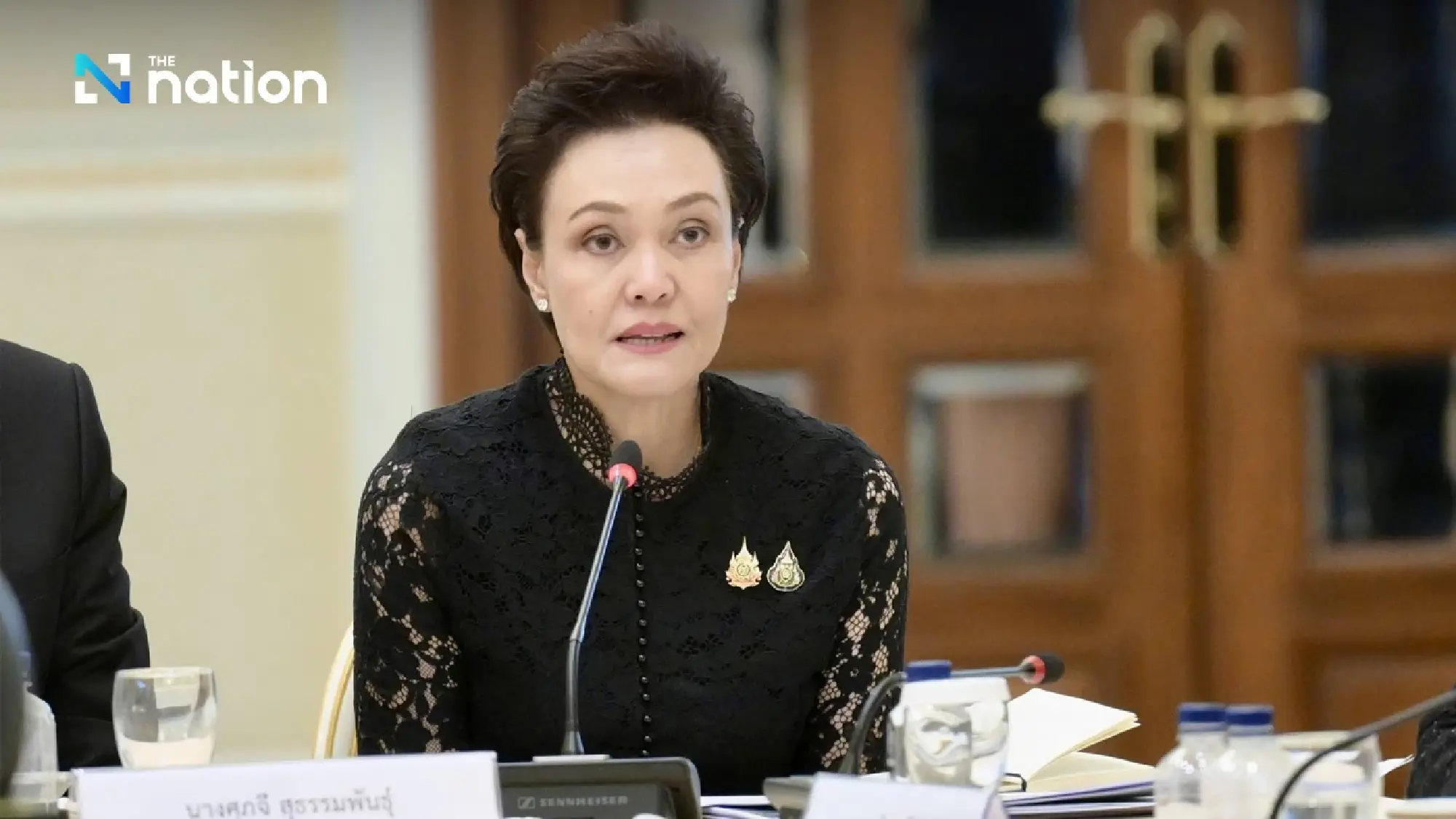
Commerce Minister Suphajee Suthumpun said Thailand’s direct trade exposure to the Middle East conflict remains limited, but warned indirect fallout via freight, insurance, logistics bottlenecks and energy-price volatility could pressure exporters and inflation.
Thailand’s direct trade impact is still limited, but the government is most concerned about indirect fallout — especially higher shipping, insurance and logistics costs, alongside energy-price volatility, that could hit Thai exporters and feed into inflation, Commerce Minister Suphajee Suthumpun said on Tuesday.
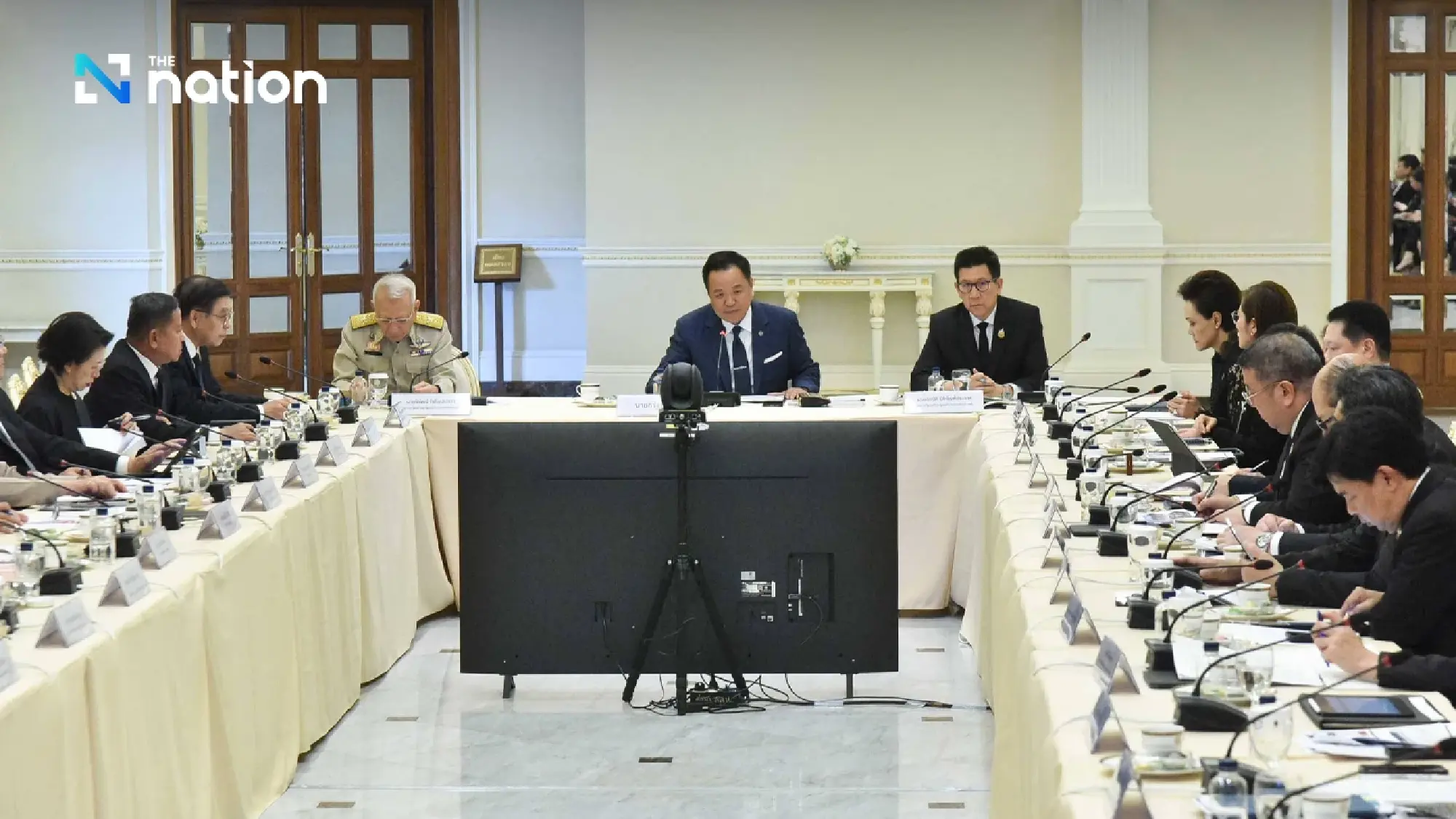
Suphajee said the assessment was discussed at a government meeting chaired by Prime Minister and Interior Minister Anutin Charnvirakul at 1.30pm on Monday at the Phakdibodin Building, Government House, as officials reviewed the economic implications of escalating unrest in the Middle East.
Direct impact still contained
Suphajee said Thailand’s direct trade exposure to countries involved in the conflict remains relatively small. In 2025, Thailand exported US$12,475.58 million worth of goods to the Middle East, accounting for 3.67% of total exports.
With that share still limited, she said authorities have not seen meaningful signs of widespread order cancellations or major delays across the board.

Indirect risks rising through shipping and insurance
The bigger concern, she said, is the regional and global knock-on effect — particularly for economies that rely heavily on maritime transport through key Middle East sea routes.
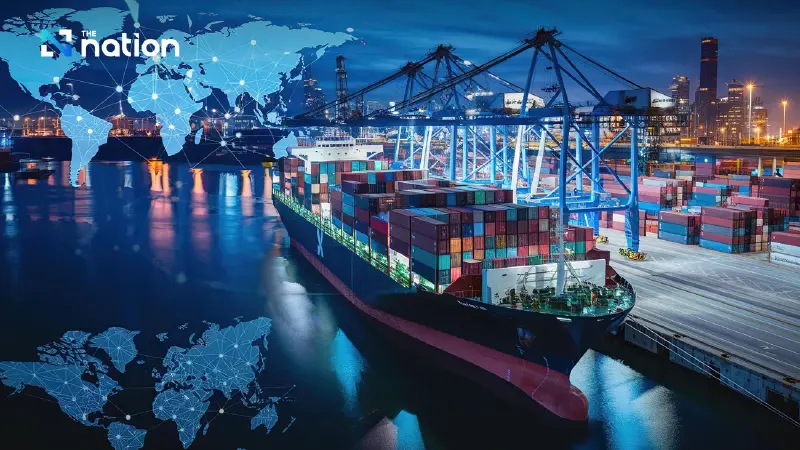
She said security risks and constraints on shipping lanes have already disrupted seaborne trade, prompting many shipping lines to reroute vessels and extend sailing times. That, in turn, is driving up freight rates, marine insurance premiums, and overall logistics costs.
The ministry is also monitoring tighter availability of containers and disruptions to shipping schedules on certain routes — factors that can delay deliveries, increase costs, and weaken the competitiveness of Thai exports.
Energy-price volatility and inflation watch
Suphajee said global energy prices are likely to remain volatile, raising the risk that higher fuel costs will filter into production costs and transport charges in the next phase.
While direct trade effects remain contained for now, the ministry said it will closely watch indirect impacts through price mechanisms and logistics, given the potential spillover into inflation and broader economic stability.

Six measures to cushion exporters and consumers
Suphajee said the Commerce Ministry has set out six proactive steps:
1. Price oversight and anti-profiteering
Monitor prices of consumer goods closely, prevent hoarding and unjustified price hikes, and track cost pass-through from energy to retail prices.
2. Secure alternative inputs and build buffers
Coordinate with importers to review stock levels and diversify sourcing away from higher-risk areas, while encouraging greater use of domestic inputs.
3. Exporter support and logistics management
Work with the private sector to assess rising freight and insurance costs, and provide practical advice on cost control, delivery terms, and market diversification to reduce risk.
4. Closer coordination with shipping and logistics operators
Track shipping-route disruption, port congestion and supply-chain continuity to gauge impacts on exporters’ cost structures.
5. More proactive commercial attachés
Instruct commercial counsellors to report on trade conditions and importer confidence, and advise Thai businesses on managing risk in overseas markets.
6. Inflation and price-stability analysis
Assess how higher energy and transport costs affect cost structures and export values, to support timely and targeted policy recommendations.
“Integrated response” across agencies
“The government has prepared response plans — covering price oversight, cost management and support for exporters to maintain overseas markets amid geopolitical volatility,” Ms Suphajee said. She added that the ministry will work closely with other agencies and the private sector to safeguard Thailand’s trade and economic stability during a period of heightened global uncertainty.
Businesses seeking guidance and updates on export conditions can contact the Commerce Ministry’s hotline at 1169, she said.
