
Melioidosis alert: Thai health officials warn high-risk groups amid case spike
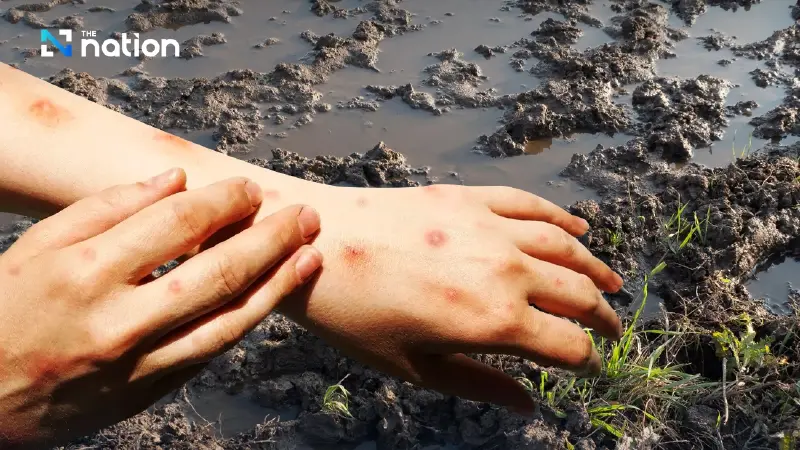


Farmers and those with chronic illnesses have been warned of melioidosis risks following a spike in cases, according to Thailand’s public health authority.
Dr Taweechai Wisanuyothin, Director of the Region 9 Disease Control Office based in Nakhon Ratchasima, reported an outbreak of the disease in the region, with 147 confirmed cases and 5 deaths recorded from the beginning of the year up until May 19.
The highest number of cases was reported in Buriram province, with 61 infections and one death. This was followed by Surin (37 cases), Nakhon Ratchasima (33 cases, 1 death), and Chaiyaphum (16 cases, 3 deaths).
The majority of patients were elderly, particularly those aged 65 and above, followed by individuals aged 55–64 and 45–54, respectively. In terms of occupation, rice farmers and agricultural workers were the most affected.
Dr Taweechai explained that melioidosis is caused by the bacterium burkholderia pseudomallei, which is commonly found in soil and water—especially in agricultural areas such as rice paddies, fields, and rubber plantations throughout Thailand.
Infection occurs through three main routes:
- Direct contact: through exposure to contaminated soil or water, particularly via open wounds.
- Ingestion: by drinking unsafe water or consuming contaminated food; aspiration of tainted water is also a risk.
- Inhalation: by breathing in dust particles from contaminated soil.
Symptoms typically appear within one to 21 days after exposure but may take years to manifest in some cases, depending on the bacterial load and an individual’s immune response.
Melioidosis presents with non-specific symptoms that can resemble other infectious diseases. These include high fever, skin abscesses, respiratory symptoms, localised infections, or systemic spread to various organs, which can be fatal.
People with chronic conditions such as diabetes, kidney disease, thalassaemia, or immune deficiencies are particularly at risk, as their weakened immune systems make them more vulnerable to severe infection.
To reduce the risk of infection, Dr Taweechai emphasised the following preventive measures:
- Avoid exposure: refrain from wading through floodwaters or soaking in muddy water.
- Use protective gear: when contact with water is unavoidable, wear rubber boots or waterproof shoe covers, gloves, and long trousers.
- Wound care: always cover open wounds with waterproof plasters.
- Personal hygiene: Shower promptly after working in high-risk environments or after exposure to contaminated water.
- Drink safe water: Consume only clean or boiled water.
Anyone experiencing sudden high fever, headaches, or muscle pain after exposure to muddy or floodwater should seek immediate medical attention and inform their doctor about their recent activities for accurate diagnosis and prompt treatment.
For more information, contact the Department of Disease Control hotline on 1422.
