
3 key future trends set to transform Thai healthcare: ATMPs, xenotransplantation, and AI
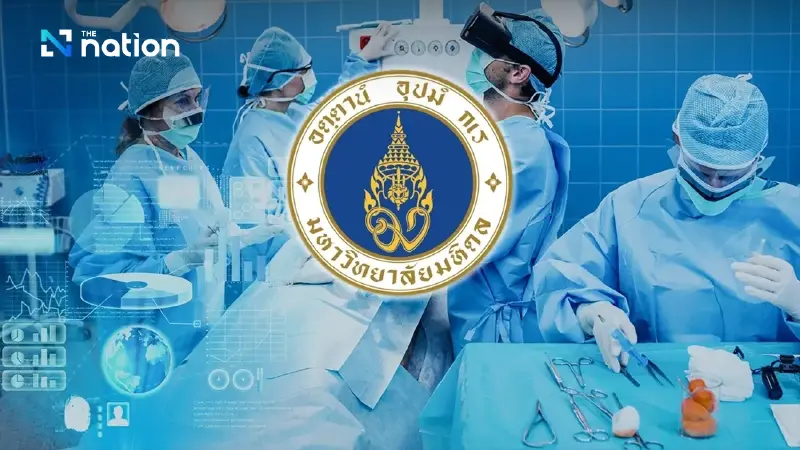


Thailand’s healthcare future will be driven by ATMPs, xenotransplantation, and medical AI. These innovations aim to tackle the nation’s health crisis and enhance well-being.
- The shift from treating diseases to promoting holistic health will be the biggest trend in 2026's wellness economy.
- Thailand’s primary health challenges include rising national health costs, insufficient medical personnel, and a lack of health literacy among citizens.
- The three future trends reshaping Thailand’s healthcare industry include ATMPs, xenotransplantation, and medical AI.
Thailand is currently facing a “crisis within a crisis,” with growing economic, social, environmental, and health challenges, particularly from demographic changes. The rapid increase in the elderly population and the low birth rate—averaging just 400,000 births per year—are leading to a shrinking workforce, rising healthcare costs, and the growing burden of non-communicable diseases (NCDs), which claim over 400,000 lives annually. This results in an economic loss of 1.6 trillion baht per year, making urgent health reforms necessary to tackle the forthcoming health crisis.
Health Challenges in Thailand
On November 26, 2025, Mahidol University held a press conference to unveil a roadmap for addressing urgent health pain points and dive deeper into the three key trends that will reshape Thailand’s healthcare system in 2026. Professor Piyamitr Sritara, M.D., President of Mahidol University, explained that Thailand and the world are grappling with several critical public health pain points, which affect both citizens’ quality of life and the economy.
The three main issues that require immediate policy intervention are:
-
Rising national health costs: Due to the aging population, the prevalence of chronic diseases, cancer, and infectious diseases is increasing, leading to higher healthcare costs. Moreover, the country relies heavily on imported medical technologies and drugs, putting pressure on the health insurance system and public budgets. Meanwhile, the working-age population contributing to tax revenue for healthcare is shrinking, making it crucial to reform the health system urgently.
-
Shortage of medical personnel: Thailand faces a severe healthcare workforce crisis, especially with a shortage of doctors. According to the World Health Organization’s standards, there should be 1 doctor per 1,000 people, but Thailand currently has only 1 doctor per 2,000 people, with a significant gap between urban and rural areas. For example, Bangkok has 1 doctor per 462 people, while some provinces, such as Bueng Kan, have 1 doctor per 5,000 people, making access to healthcare highly unequal. This issue is exacerbated by the high workload, with 455 doctors leaving the profession annually. The demand for medical services is expected to increase by 40.5 million visits in 2026, and the system will struggle to accommodate this demand unless it is reformed.
-
Lack of health literacy: Many Thai people lack sufficient health literacy, leading to unhealthy behaviours, insufficient disease prevention, and inadequate self-care. The Thai healthcare system is still focused on treatment rather than prevention, leading to an overburdened system, lower-quality services, and rising costs.
3 Future Trends Transforming Thai Healthcare
Professor Piyamitr shared that despite the challenges facing Thailand’s healthcare system, the country has the potential to turn the situation around, given its excellence in medical services, which is internationally recognised. Mahidol University has set its sights on driving the national wellness economy by focusing on three key future trends that will transform Thailand’s healthcare industry:
-
Advanced Therapy Medicinal Products (ATMPs): This includes cell therapy and gene therapy to treat cancer and other complex diseases. These therapies are being developed to move from laboratory-scale treatments to medium-scale production through the establishment of the MU Biophant factory, enabling registration and regional distribution. The university is collaborating with Siam Bioscience to expand this to large-scale production.
-
Xenotransplantation: Addressing the shortage of organs for transplants, particularly in cases such as heart transplants, where genetically modified pig hearts have been successfully used in patients with heart failure in the US. Mahidol University plans to partner with Betagro and Enzino (from New Zealand) to create SPF Pig Farms in Thailand.
“Currently, Thailand is facing a chronic kidney disease crisis, with over 100,000 patients requiring dialysis, costing the country 16 billion baht annually. By 2030, this cost could rise to 57 billion baht. Xenotransplantation offers a solution to shorten waiting times for organ transplants,” Professor Piyamitr explained.
-
Medical AI and Precision Health Promotion: Using AI to process vast health data to enable personalised health care and precision medicine. Mahidol University is developing the MU AI Centre. In addition, the university will focus on creating value from Thailand’s biodiversity, researching and developing herbal medicines and functional foods to produce high-value products.
The Rise of the Wellness Economy
“Wellness Economy, which focuses on promoting holistic health rather than just treating illness, will have the biggest impact in 2026. It will transform the paradigm from focusing on treating patients to creating wellness — covering physical health, mental health, and overall quality of life. This is a mega-trend that is becoming the world’s primary economic model and presents a significant opportunity for Thailand to seize its share,” Professor Piyamitr said.
Thailand’s pivotal moment in healthcare
Thailand is at a critical juncture, with emerging economic opportunities in healthcare and pressing challenges that need to be addressed. To confront these challenges, Thailand must rely on collaboration from all sectors: the government to implement timely policies and strengthen healthcare services, the private sector to develop technology and health innovations, and citizens to change behaviours and improve personal health.
If Thailand manages to address these issues effectively, it has a high chance of transforming its healthcare system while simultaneously creating a new economic engine to drive sustainable growth in the future.
