
Northern Thailand braces for PM2.5 surge as hotspots intensify
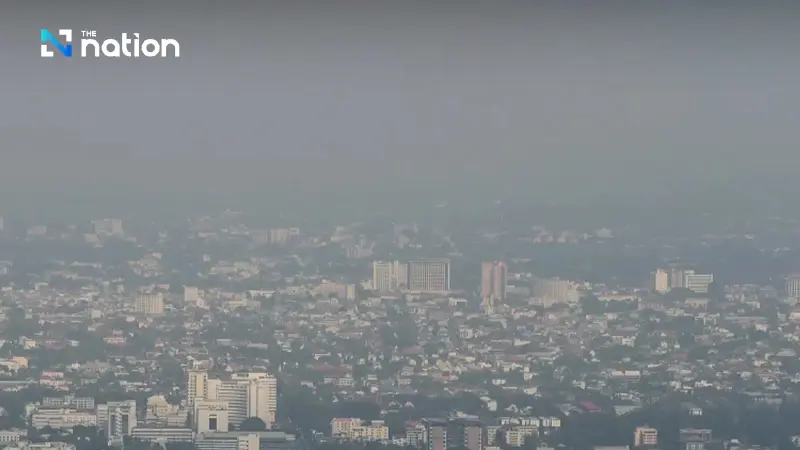


PM2.5 levels forecast to rise across northern Thailand through April 5 as hotspots increase, with Chiang Mai among hardest-hit areas
Northern Thailand is expected to face a renewed surge in PM2.5 air pollution levels between March 30 and April 5, 2026, as hotspot activity intensifies, particularly in Chiang Mai and surrounding provinces.
The Centre for Air Pollution Mitigation under the Pollution Control Department has warned that fine dust levels across 17 northern provinces are likely to increase during the period, with several areas already recording hazardous conditions above national safety standards.
As of March 29 at midday, air quality in much of the North remained in the red zone, including Chiang Rai, Chiang Mai, Mae Hong Son, Lampang, Lamphun, Nan, Phrae, Phayao and Tak. PM2.5 concentrations in the region ranged from 28.2 to as high as 198.3 micrograms per cubic metre.

The situation is being driven largely by a sharp increase in hotspots, many of which are linked to forest burning. Nationwide, cumulative hotspot figures since October 1, 2025 have reached 57,143. On the morning of March 29 alone, 2,336 hotspots were detected, with the majority located in conservation forest areas.
The North accounted for the highest concentration, with 1,312 hotspots, far exceeding other regions. The provinces with the highest counts were Chiang Mai with 480 hotspots, Mae Hong Son with 247, Lampang with 104, Nan with 97 and Phayao with 85.
Several conservation forest areas have recorded persistent hotspots for more than 48 hours, including Sri Lanna National Park, Tham Pha Thai Wildlife Sanctuary, Salawin Wildlife Sanctuary, Mae Ping National Park and Huai Nam Dang National Park, highlighting the severity of the situation.
Authorities are urging residents to limit outdoor activities and wear protective masks when necessary, while encouraging the public to monitor real-time air quality through platforms such as Air4Thai.

In Chiang Mai, the situation has become particularly critical. Governor Ratthaphon Naradisorn has ordered urgent action to track down those responsible for illegal forest burning after hotspot numbers surged sharply.
He recently visited Chiang Dao district, where hotspot levels have continued to rise. On the morning of March 29 alone, 99 hotspots were recorded in the district, bringing the cumulative total this year to 404, most of them located in conservation forest areas.
Firefighting teams have been deployed to tackle major blazes along the borders of Chai Prakan and Phrao districts, while authorities are maintaining strict surveillance in key ecological areas such as Doi Luang Chiang Dao and Doi Nang.
Local officials have identified a pattern of fires breaking out in steep, remote areas during the evening, suggesting deliberate human activity. Since a burning ban was imposed on January 1, authorities have intensified patrols and arrested five suspects, including a recent arrest on March 20.
The worsening haze has had a direct impact on public health in Chiang Dao, where air quality remains at hazardous levels and thick smoke continues to blanket communities. Residents have been forced to wear protective masks at all times.
Chiang Dao Hospital has implemented both proactive and reactive measures, including stockpiling medical supplies and deploying outreach teams to distribute N95 masks and protective mosquito nets to bedridden patients, along with guidance on how to protect against PM2.5 exposure.
Authorities are also stepping up public awareness campaigns, using community broadcast systems to inform residents about long-term health risks and prepare for upcoming artificial rain operations scheduled for April 1, aimed at dispersing haze and reducing pollution levels.
