
Thailand puts 9 provinces on red PM2.5 alert as symptoms rise
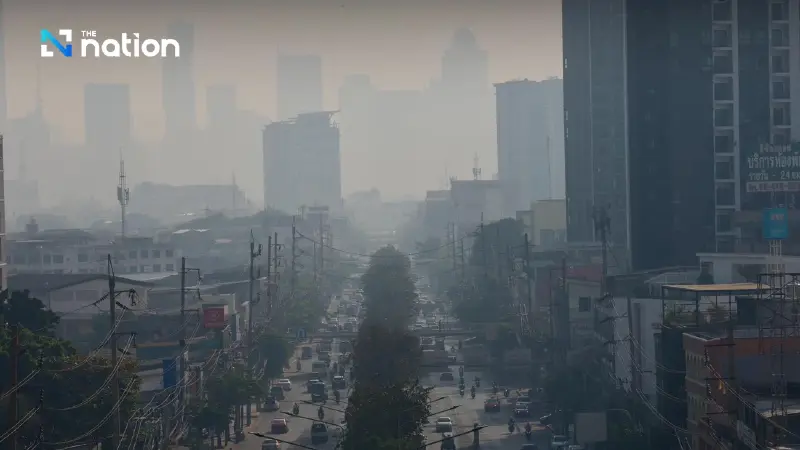


More than 55% of people exposed to the haze have reported symptoms, officials said, with northern and northeastern provinces facing persistent pollution this week.
- Nine provinces in northern Thailand are on a red alert for hazardous PM2.5 dust levels, with the highest reading recorded at 198.3 micrograms per cubic metre in Lamphun.
- The alert coincides with a report that over 55% of people in affected areas are experiencing symptoms from dust exposure, including nasal congestion, coughing, and eye irritation.
- Health officials expect the hazardous air quality to persist for the week due to stagnant weather and increased open burning.
- Authorities are advising residents to wear N95 masks, avoid outdoor activities, and keep windows closed to mitigate health risks such as respiratory and cardiovascular diseases.

Dr Amporn Benjaponpitak, Director-General of the Department of Health, said the PM2.5 situation on March 28, 2026, found red-level dust in nine provinces: Nan, Phayao, Lampang, Lamphun, Chiang Rai, Chiang Mai, Phrae, Mae Hong Son and Nakhon Phanom.
The highest reading was recorded in Li subdistrict, Li district, Lamphun province, at 198.3 micrograms per cubic metre.
Another 28 provinces in the North, Northeast, Central region, and West recorded orange-level dust.
This was consistent with the situation regarding health impacts and self-protective behaviour from PM2.5 exposure between January 1 and March 28, 2026, which found that more than 55% of people had begun experiencing symptoms related to dust exposure.
Most reported nasal congestion, runny nose, coughing and eye irritation.
Dr Amporn added that the Department of Health was therefore reiterating the following recommendations for good health during the severe dust crisis:
- Wear a mask capable of filtering fine particles, such as an N95 or KN95 mask, correctly.
- Avoid outdoor activities or staying outside for long periods, especially among vulnerable groups, including children, older people, pregnant women and those with underlying medical conditions.
- Avoid open burning, lighting incense and barbecuing, and regularly check vehicles to reduce black smoke emissions.
- Keep doors and windows tightly closed to prevent dust from entering buildings, clean the home regularly, and use a “clean room” if outdoor dust levels exceed the standard. More information is available at https://podfoon.anamai.moph.go.th/
- Regularly monitor air quality through the Air4Thai, AirBKK or Life Dee applications before planning to go outside.
“PM2.5 levels are expected to remain above the standard continuously this week because of stagnant weather conditions and increased open burning in many areas. If people are exposed to high levels of dust over a prolonged period, it may increase the risk of cardiovascular disease and chronic respiratory disease, and in the long term could lead to lung cancer. People are therefore urged to take strict care of their health. If you have any questions or need further information, please call the Department of Health hotline 1478,” the Director-General said.
