
Thai Government Warns of Deadly 'Soil Fever' Outbreak as Fatalities Rise


Thai health officials report a worrying spike in Melioidosis infections and fatalities, urging rural workers to take immediate precautions
- Thailand has reported a significant outbreak of Melioidosis, also known as "Soil Fever," with 732 cases and 23 fatalities recorded since the start of the year.
- The disease is caused by a bacterium in soil and stagnant water, which infects humans through skin abrasions, inhalation of dust, or consumption of contaminated water.
- Agricultural workers, individuals over 50, and people with underlying health conditions like diabetes or kidney disease are at the highest risk of severe infection.
- Health officials are urging at-risk populations to wear protective gear like boots and gloves and to seek immediate medical attention for symptoms such as high fever, as the illness is treatable if caught early.
Thai health officials report a worrying spike in Melioidosis infections and fatalities, urging rural workers to take immediate precautions.
Health authorities in Thailand have issued an urgent warning following a significant spike in cases of Melioidosis, colloquially known as "Soil Fever."
With 23 fatalities recorded since the start of the year, the government is urging the public—particularly those in agricultural sectors—to remain vigilant against the bacterial infection.
On 18 April 2026, Lalida Perisviwattana, deputy government spokeswoman, announced that the Ministry of Public Health is closely monitoring the situation. Between 1 January and 16 April 2026, the country recorded 732 cumulative cases.
The regional impact is particularly pronounced in the northeast. The Office of Disease Prevention and Control 7 in Khon Kaen reported 68 cases and two deaths within its health region. Data indicates that the most vulnerable demographic comprises individuals aged 50 and over.
Melioidosis is caused by Burkholderia pseudomallei, a bacterium found in soil and stagnant water. Lalida explained that the pathogen enters the body through three primary routes:
Direct contact with open wounds or skin abrasions.
Inhalation of contaminated dust.
Consumption of untreated, contaminated water.
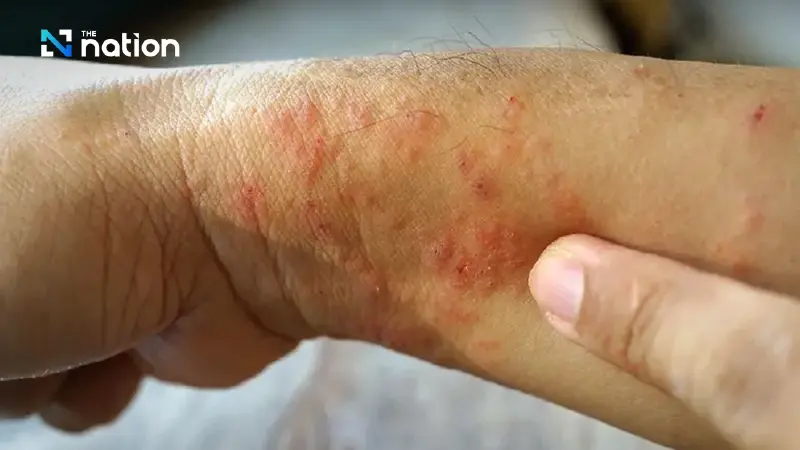
The clinical presentation of the disease can be deceptive, often mimicking a common cold or flu. Symptoms range from acute high fever and respiratory distress to chronic abscesses and skin infections.
In severe cases, the bacteria can enter the bloodstream, leading to sepsis—a life-threatening condition that accounts for the high mortality rate seen in this current outbreak.

The government has identified farmers and labourers who work in constant contact with soil and water as being at the highest risk.
Furthermore, those with underlying health conditions—including diabetes, kidney disease, thalassemia, and various immunodeficiencies—face a higher probability of severe complications.
In response to the rising figures, the administration is calling for strict adherence to safety protocols:
Protective Equipment: Agricultural workers are advised to wear rubber boots and gloves to avoid direct skin contact with the earth.
Early Intervention: Anyone experiencing a high fever for more than two days, or showing signs of respiratory fatigue, should seek medical consultation immediately.
"Melioidosis is treatable if caught early," Lalida stated. "We urge citizens not to be complacent. Rapid medical intervention is essential to prevent the onset of severe complications and reduce the risk of fatality."
For further information or to report suspected cases, the public can contact the Department of Disease Control’s 24-hour hotline at 1422.
