
Raw vegetable parasite risk sparks health warning as celery, mint top contamination list


Fresh vegetable testing found parasite contamination in several popular raw vegetables, prompting health officials to urge consumers to wash produce carefully and cook where possible.
Health experts are urging consumers to take extra care when eating fresh vegetables raw after testing found parasite eggs and larvae in several popular vegetables commonly sold in markets.
According to survey data citing 2026 research from academic institutions and the Department of Health, the highest contamination rates were found in celery, mint and gotu kola, raising concerns over vegetables that are often eaten fresh in salads, side dishes and spicy Thai meals.
The warning does not mean people should stop eating vegetables. Instead, health authorities advise consumers to reduce risk by washing vegetables properly, separating leaves before cleaning and cooking vegetables where possible. Thailand’s Department of Disease Control has previously advised people to follow the principle of “cooked, hot and clean” to reduce the risk of parasitic disease, while research on raw vegetables in Thailand has also recommended proper washing or cooking before consumption.

Celery, mint and gotu kola show highest contamination
The survey ranked the 10 fresh vegetables with the highest reported contamination levels as follows:
- Celery: 63.3%
- Mint: 60%
- Gotu kola / pennywort: 57.1%
- Thai coriander: 44.8%
- Spring onion: 43.3%
- Culantro / sawtooth coriander: 36.7%
- Chinese cabbage: 23.3%
- Salad greens / lettuce: 20%
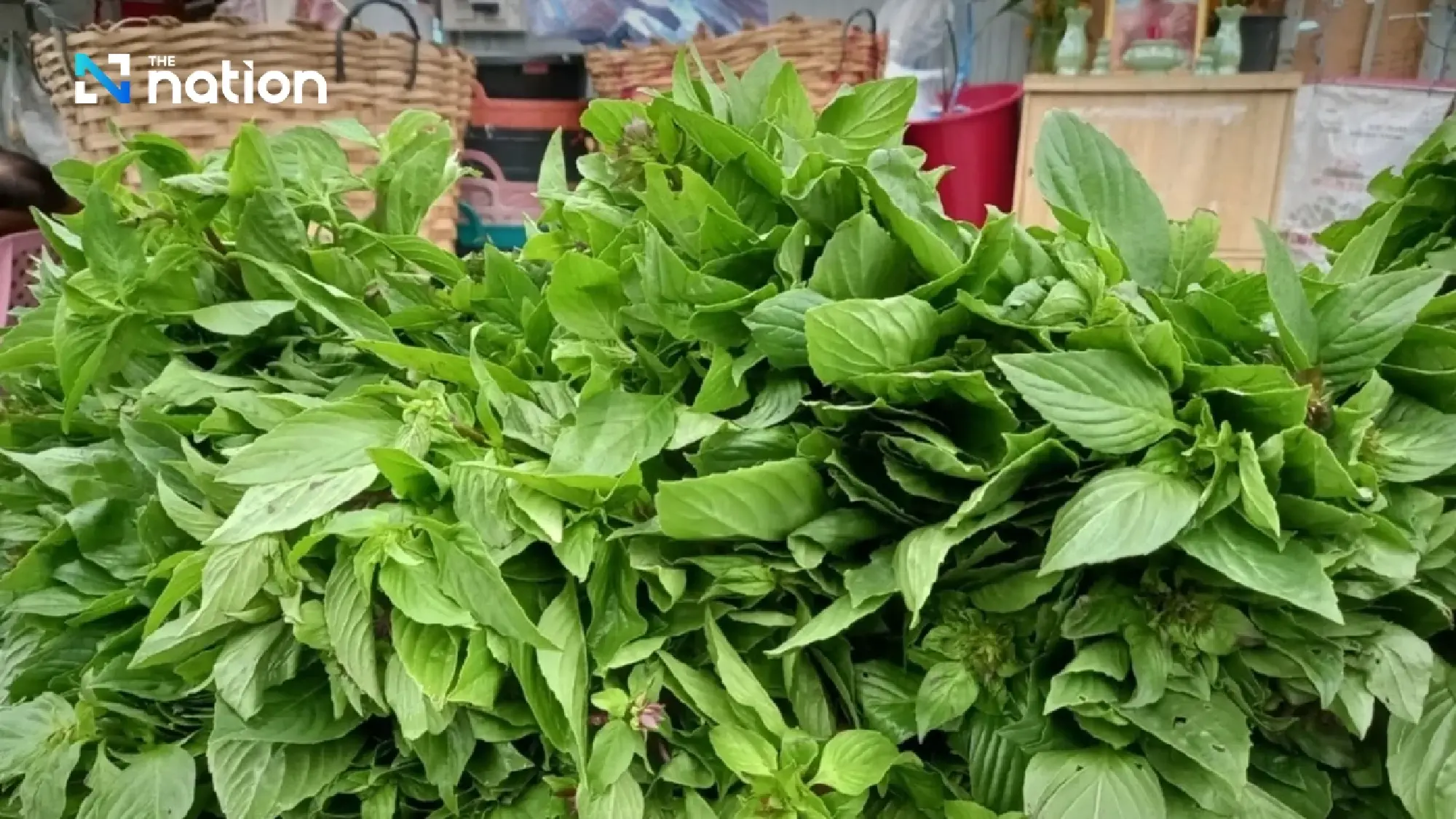
- Thai basil: 10%
- Chinese water spinach: 6.7%
Experts say some parasite eggs are extremely small and cannot be seen with the naked eye. They may also stick to vegetable surfaces or hide in leaf folds, making careful washing especially important.

Raw vegetables remain a risk if not cleaned properly
Fresh vegetables are a key part of a healthy diet, but they can carry risks if grown, transported or sold in unhygienic conditions.
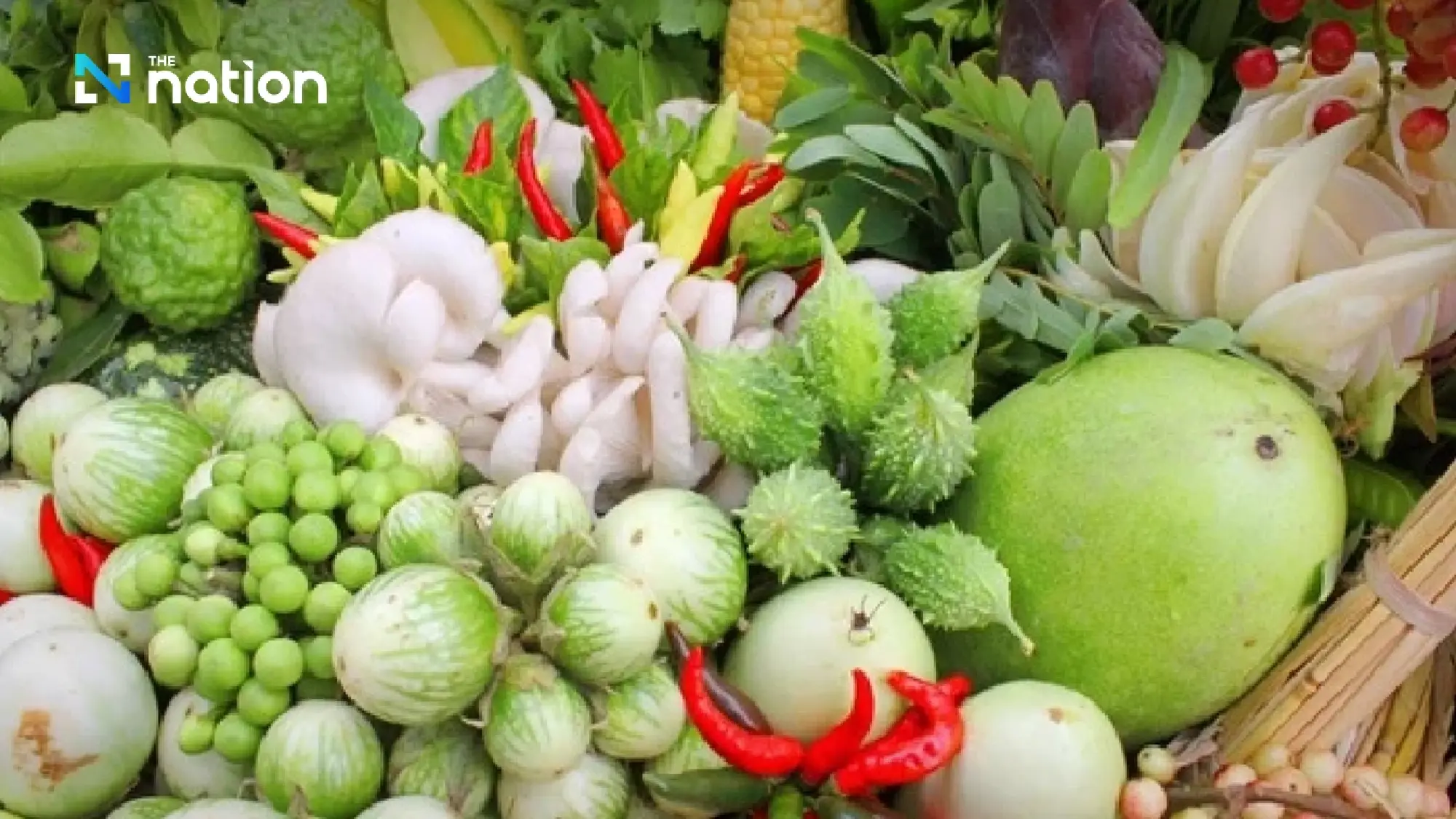
Vegetables with many folds, stems or rough surfaces may trap soil, dirt or microscopic contamination more easily than smooth-surfaced produce. This is why leafy herbs and vegetables commonly eaten raw require more careful cleaning before consumption.
The risk is higher for people who frequently eat raw vegetables with spicy salads, dipping sauces, grilled dishes or ready-to-eat meals where the vegetables are not cooked before serving.
Some vegetables should not be eaten raw in large amounts
Apart from parasite contamination, some vegetables may pose other health concerns if eaten raw or in large quantities.
Consumers are advised to be cautious with:
- Yardlong beans, which may carry pesticide contamination and can cause stomach gas
- Bamboo shoots and cassava, which contain natural cyanide compounds and should be cooked thoroughly
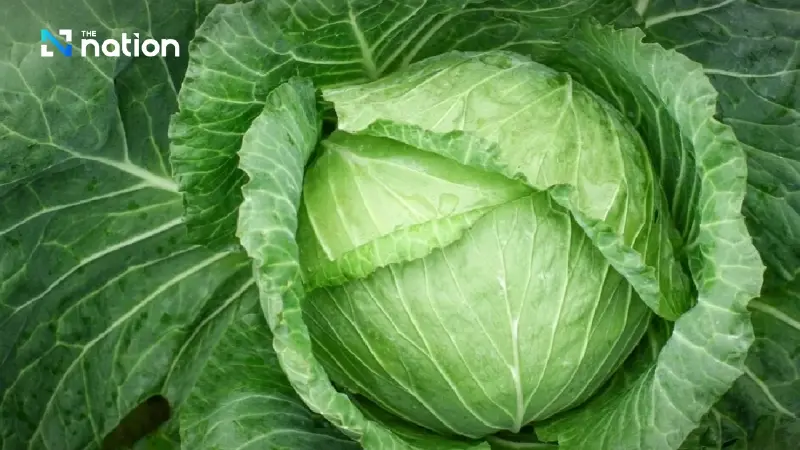
- Cabbage, which contains goitrogens that may interfere with thyroid function if eaten raw in excessive amounts
- Spinach, which is high in oxalic acid and may increase the risk of kidney stones in vulnerable people

How to reduce the risk
Health officials advise consumers to handle fresh vegetables carefully before eating, especially if they are served raw.
Recommended steps include:
- Separate vegetables leaf by leaf before washing.
- Rinse under running water for at least two minutes, rubbing gently to remove dirt.
- Soak vegetables in baking soda water or salt water for 10–15 minutes, then rinse again with clean water.
- Cook vegetables when possible, especially for children, elderly people, pregnant women or people with weaker immune systems.
Cooking remains the most reliable way to reduce the risk from parasite eggs and bacteria.
Healthy eating still matters, but safety comes first
Experts stress that vegetables remain important for good health and should not be avoided. The key message is to choose clean produce, wash it properly and cook it when possible.
For consumers who prefer raw vegetables, extra care during washing and food preparation can significantly reduce the risk of turning a healthy meal into a health hazard.
