
WHO declares Congo-Uganda Ebola outbreak a global health emergency
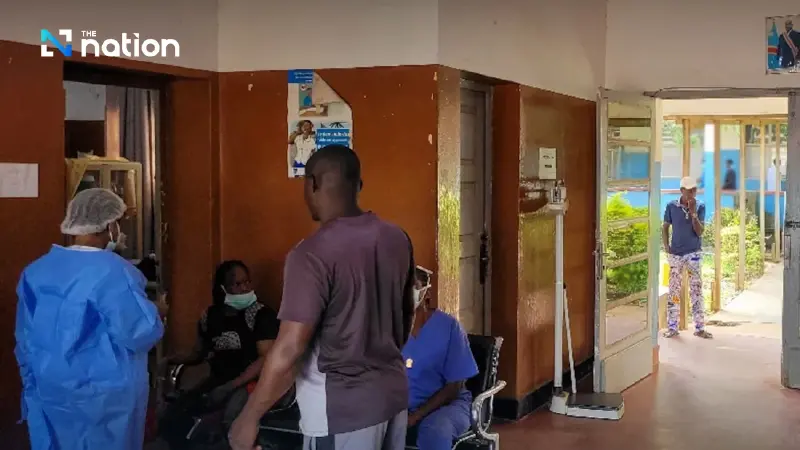


WHO says the Ebola Bundibugyo outbreak in DRC and Uganda poses a regional risk, with 246 suspected cases and 80 suspected deaths reported in Ituri.
The World Health Organization has declared the Ebola outbreak in the Democratic Republic of Congo and Uganda a Public Health Emergency of International Concern, warning that the disease could spread further across the region if urgent control measures are not strengthened.
The outbreak is caused by the Bundibugyo virus, a less common Ebola strain for which there are currently no approved strain-specific vaccines or treatments, unlike the better-known Zaire Ebola strain. WHO said the situation does not meet the criteria for a pandemic, but poses a serious public health risk to neighbouring countries.
Cases reported in Congo, Uganda and Kinshasa
As of May 16, WHO said the Democratic Republic of Congo had reported eight laboratory-confirmed cases, 246 suspected cases and 80 suspected deaths in Ituri province, across at least three health zones: Bunia, Rwampara and Mongbwalu.

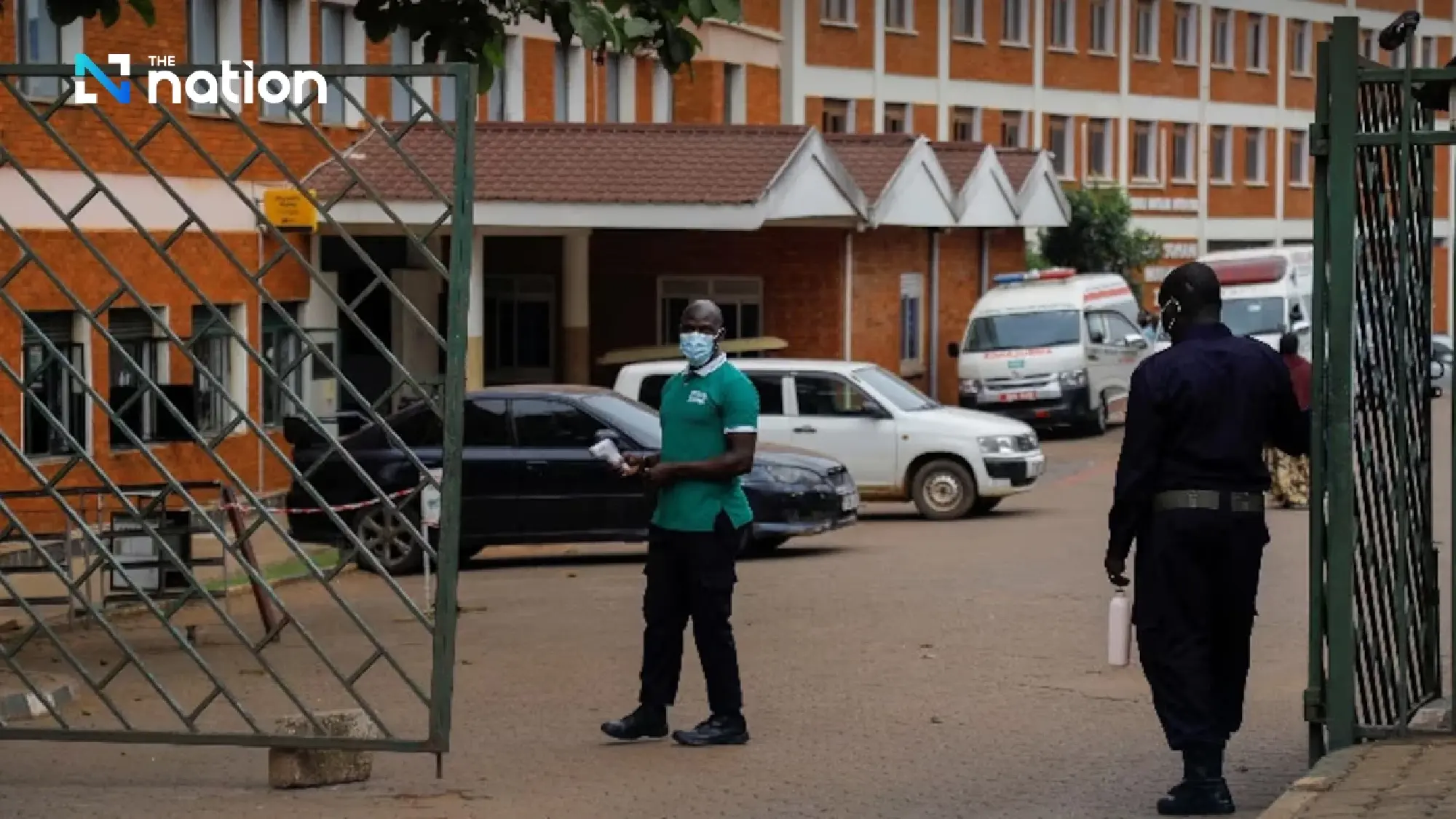
Uganda has reported two confirmed cases in Kampala, including one death, among people who had travelled from Congo. A separate confirmed case was also reported in Kinshasa, Congo’s capital, involving a person who had returned from Ituri.
WHO said the true scale of the outbreak remains uncertain, pointing to a high positivity rate among early samples, rising reports of suspected cases and clusters of deaths in several areas. The agency warned that the outbreak could be larger than currently detected.
Why this outbreak is raising concern
Health officials are particularly concerned because the outbreak has affected areas with high population movement, mining-linked travel, informal healthcare networks and ongoing insecurity in eastern Congo. These factors could make tracing contacts and isolating cases more difficult.

WHO said at least four healthcare worker deaths linked to suspected viral haemorrhagic fever had been reported from the affected area, raising concerns about possible transmission in health facilities and gaps in infection prevention.
The agency has urged Congo and Uganda to activate emergency response mechanisms, expand surveillance, strengthen laboratory testing, trace contacts, improve infection-control measures and screen travellers at major internal routes and border crossings.
WHO advises against border closures
Despite the international emergency declaration, WHO advised countries not to close borders or impose broad travel and trade restrictions, warning that such steps could push people to use informal crossings that are harder to monitor.
Instead, the agency recommended targeted measures, including isolation of confirmed cases, daily monitoring of contacts and restrictions on travel by suspected or confirmed cases unless medical evacuation is required.

Ebola in Congo and the Bundibugyo strain
Congo has experienced repeated Ebola outbreaks since the virus was first identified in 1976 in Yambuku, in what is now Equateur province. The current outbreak is the country’s 17th recorded Ebola outbreak, according to WHO.
Most previous Ebola outbreaks in Congo have involved the Zaire strain. The current outbreak is unusual because it involves the Bundibugyo virus, which has been detected far less often. MSF said this is the third detected outbreak involving the Bundibugyo strain, after outbreaks in Uganda in 2007-2008 and Congo in 2012.
Ebola disease is severe and often fatal. It spreads through direct contact with the bodily fluids of infected people or contaminated materials, while early detection, supportive care and rapid public health measures are critical to improving survival and stopping transmission.
Current situation
WHO and Africa CDC are coordinating with health authorities in Congo, Uganda and neighbouring countries to contain the outbreak, improve cross-border surveillance and strengthen case management. WHO has also deployed experts and supplies to support the response in Ituri.
MSF said it is preparing to scale up its medical response in Ituri, where suspected cases have been isolated at its Salama clinic in Bunia and additional emergency teams are being mobilised.
Public health officials say the emergency declaration is intended to accelerate international coordination, not to signal a global pandemic. The immediate focus is on finding cases quickly, protecting health workers, tracing contacts and preventing further spread across Congo, Uganda and neighbouring countries.
