
DDC warns public in Thailand over rainy-season diseases and hazards
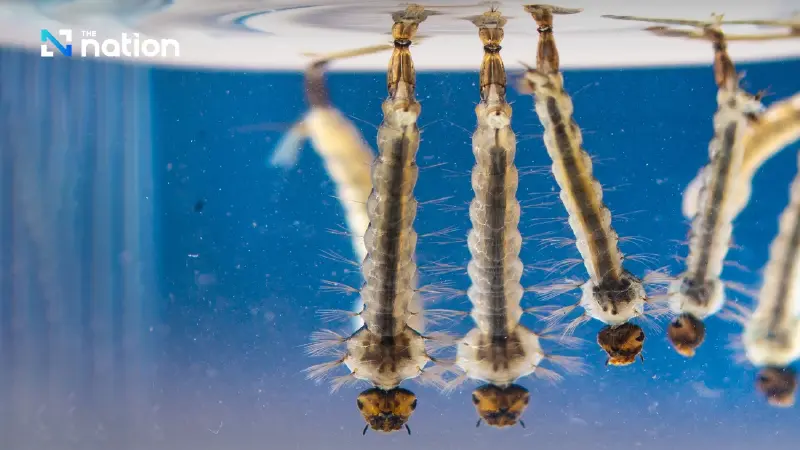


Officials urge people to watch for respiratory, contact and mosquito-borne infections, plus snakebite, lightning and poisonous mushrooms.
- The Department of Disease Control (DDC) is warning the public about four groups of diseases and health hazards common during Thailand's rainy season (mid-May to mid-October).
- Risks include respiratory infections like influenza and COVID-19, with advice to wear masks in crowded places and wash hands frequently.
- The warning covers mosquito-borne diseases such as dengue, chikungunya, and Zika, urging the elimination of stagnant water where Aedes mosquitoes breed.
- Contact-transmitted diseases like leptospirosis (from contaminated water) and other hazards like venomous snake bites, lightning strikes, and poisonous mushrooms are also highlighted as significant dangers.
Dr Montien Kanasawadse, Director-General of the Department of Disease Control (DDC), said on Saturday (May 30, 2026), Thailand had now entered the rainy season, which starts in mid-May and lasts until around mid-October.
This has brought continuous rain to many areas, damp conditions and possible thunderstorms in several parts of the country.
Such changing weather conditions are conducive to the spread of communicable diseases and increase the risk of various health hazards.
The DDC has therefore issued an announcement entitled “Prevention of diseases and health hazards occurring during Thailand’s rainy season, 2026”.
The public is asked to continue taking care of personal health and hygiene.
The DDC Director-General said diseases and health hazards that should be monitored during the rainy season were divided into four groups, as follows

Respiratory infections include:
- Influenza
- Pneumonia
- Respiratory syncytial virus (RSV) infection
- Covid-19
These diseases often spread easily in humid weather and crowded places.
Key symptoms include fever, cough, sore throat and a runny nose, while some patients may experience panting or breathing difficulties.
Young children, older people and those with underlying diseases should be particularly vigilant.
People should wear face masks in crowded places, wash their hands frequently with water and soap or alcohol, avoid close contact with patients, rest if they are ill, and receive vaccines as recommended by doctors.
Contact-transmitted diseases include:
- Leptospirosis (rat urine disease)
- Melioidosis (soil fever)
- Hand, foot and mouth disease
These are often found during rainy periods and flooding.
Leptospirosis and melioidosis are caused by infection through wounds or contact with water and soil contaminated with pathogens.
People, especially those who have to wade through water or mud, should avoid soaking their bare feet in water or walking through floodwater for long periods.
If necessary, they should wear boots or protective equipment and immediately shower and clean their bodies after contact with water or soil.
Hand, foot and mouth disease is mostly found among young children and is transmitted through saliva, mucus or shared items.
Hands should be washed frequently, and toys and shared areas in childcare centres and schools should be cleaned regularly.
Aedes mosquito-borne communicable diseases include:
- Dengue fever
- Aedes-borne joint pain fever, or chikungunya
- Zika virus infection
The number of patients often rises during the rainy season because stagnant water provides breeding sites for Aedes mosquitoes.
Key symptoms include high fever, headache, body aches, rash or severe joint pain.
Mosquito breeding sites should be eliminated under the “3 Keeps to Prevent 3 Diseases” measure: keep homes clean, keep rubbish from becoming stagnant water sources, and keep water containers tightly covered.
People should also sleep under mosquito nets, apply mosquito repellent and wear covering clothing to prevent mosquito bites.
Health hazards requiring caution include:
- Danger from venomous snake bites
- Injury and death from lightning strikes
- Danger from eating poisonous mushrooms
During the rainy season, poisonous animals often emerge from hiding places, thunderstorms occur frequently, and people commonly collect wild mushrooms for consumption.
This may create a risk of exposure to poisonous mushrooms that can be fatal.
People should avoid being in open areas during thunderstorms, avoid sheltering under large trees, avoid using electrical appliances and unplug all types of electrical equipment to prevent damage from power surges or lightning that may travel along power lines.
They should be careful when walking in overgrown, damp areas and must not collect unknown wild mushrooms for consumption.
Anyone bitten by a venomous snake or experiencing abnormal symptoms after eating mushrooms should seek medical attention immediately.
Dr Direk Khampaen, Deputy Director-General of the DDC, added that the department had alerted all 12 Offices of Disease Prevention and Control and the Institute for Urban Disease Control and Prevention to prepare for close surveillance, prevention and control of diseases in their areas.
It had also prepared mobile surveillance, investigation and rapid response teams (SRRT) to respond to outbreaks and carry out risk communication so that the public receives accurate and appropriate information.
People with questions about diseases and health hazards during the rainy season can contact the Department of Disease Control Hotline on 1422.
