
Squishy toys raise concerns over chemical exposure and lasting waste
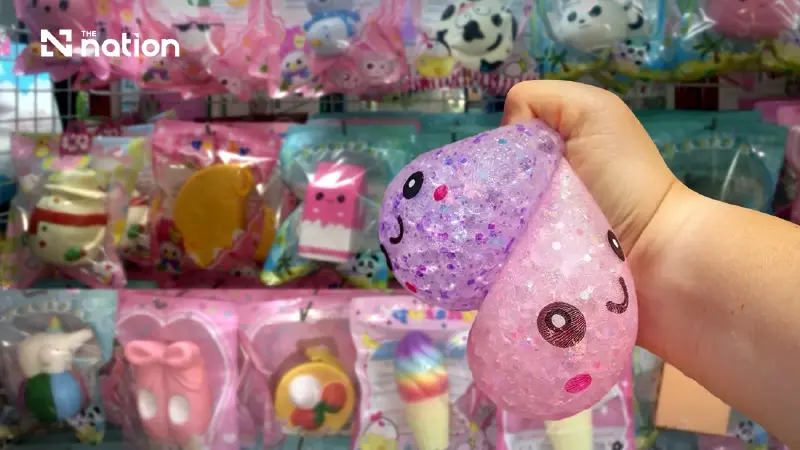


Tests found some squishy toys released VOCs, while experts also warn of heat risks from gel-filled models and difficult waste disposal.
- Squishy toys are often made from polyurethane, which can release harmful volatile organic compounds (VOCs) into the air, posing health risks such as respiratory irritation, headaches, and potential long-term organ damage.
- Some squishies contain an internal gel that can burst when exposed to heat, such as in a microwave or a hot car, creating a risk of severe burns and exposure to toxic substances.
- The polyurethane material is not biodegradable and is difficult to recycle, contributing to lasting landfill waste that can leach chemicals into the soil and groundwater over thousands of years.
“Squishies”, colourful toys with soft, squeezable surfaces, are becoming highly popular among children around the world.
But beneath their cute appearance lie worrying risks.
Most of these toys are made from polyurethane, a type of polymer formed through chemical reactions.
Although they may appear harmless, the manufacturing process often involves complex chemicals, such as catalysts, flame retardants and solvents, which may remain in the final product.
These chemicals can evaporate as volatile organic compounds (VOCs), directly affecting indoor air quality.
Some VOCs can irritate the eyes and respiratory tract.
Prolonged exposure may harm the liver, kidneys and nervous system, and increase the risk of cancer.
These vapours have also been linked to triggering asthma or worsening asthma symptoms in children.
A study by the Danish Environmental Protection Agency found that the squishies tested released high levels of hazardous substances, including toluene, styrene and dimethylformamide.
Scientists also found that VOC levels in some toys were alarmingly high.
Pernilla Bohlin-Nizzetto, a senior scientist at the Norwegian Institute for Air Research (NILU), said: “If the toy that releases the most vapour is placed in a child’s room, it would become a larger source of VOCs than the walls, floor or furniture.”
An analysis found nearly 150 different VOCs across all the toys tested.
Immediate health effects have been seen in several cases.
Dr Joe Schwarcz, from McGill University, said he received squishy samples and simply left them on his desk, but the strong smell gave him a headache and forced him to put them outside the room.
There was also a reported case of a young girl experiencing hallucinations, nightmares and disturbed sleep after sleeping alongside many squishies.
The symptoms disappeared after the toys were removed and the house was aired out.
Beyond the dangers from vapours, some squishy models contain gel inside, which could burst if exposed to high heat.
Dr Glenn Klucka, from UPMC Children’s in Pennsylvania, warned that these toys were not designed to withstand high heat.
“They should not be left in a car parked in the sun, because the material inside could break down or burst out. That gel could be dangerous if a child accidentally swallows it or gets it in their eyes,” Dr Klucka said.
Squishies should also not be heated in a microwave to make them softer, as this could cause them to burst and leak hot gel contaminated with toxic substances, resulting in severe burns.
In one case, a 10-year-old girl was seriously injured on the face after putting a squishy in a microwave, leaving her at risk of lifelong scarring.
At the same time, squishies create waste that is extremely difficult to manage.
Polyurethane is not biodegradable and can persist for thousands of years.
Global rigid polyurethane waste amounts to about 1–2 million tonnes a year.
When discarded and accumulated in landfills, chemicals in the foam can leach into soil and groundwater, posing long-term risks to ecosystems and human health.
Burning them creates problems too, as incinerating polyurethane releases the greenhouse gas carbon dioxide and may also release toxic compounds such as dioxins into the atmosphere if effective pollution-control systems are not in place.
Reuse or recycling is also relatively difficult and costly, whether through complex chemical recycling or mechanical recycling, which often produces lower-quality products.
For safety, experts recommend avoiding unpacking a new squishy and immediately placing it in a bedroom or on a bed.
The toy should first be placed in a well-ventilated area so chemicals can evaporate.
Consumers should buy only toys clearly labelled as non-toxic and durable.
Children under three should not be allowed to play with them, as they may put the toys in their mouths and risk harm.
Source: Bangkokbiznews
