
Reds will not allow Suarez to walk alone
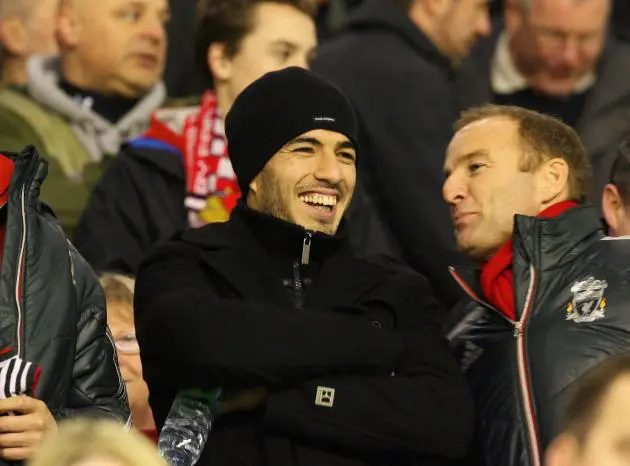


Play
Like it or not, Reds fans will miss their striker Luis Suarez for more than a month after Liverpool decided not to appeal against the eight-match ban and
The FA hearing found that Suarez allegedly used the term “negro” seven times in two minutes during the United’s 1-1 draw at Liverpool on October 15.
The Merseyside club cast doubt on the integrity and reliability of Evra as a witness as well as questioned whether the FA also intends to charge Evra with making abusive remarks to his opponent.
Enormous criticisms emerged after the verdict. One question was asked. Nobody thought the 24-year-old striker should escape from punishment, but is the sentence too severe?
The table below shows that a 11-match ban imposed on Paolo Di Canio (then playing for Sheffield Wednesday) in 1998 for pushing the referee, Paul Alcock, to the ground was the biggest punishment meted out to a Premiership player for an assault on a match official.
Apparently, the problem in the case of Suarez, who has stayed in England for around a year since signing for the club in January 2011, involved cultural and language differences. It happened to many players coming from South America to England.
Despite admitting using the word “negro”, Suarez insisted that he did not racially abuse Evra. He said in his country “negro” is a word they use commonly, a word which doesn’t show any lack of respect and is even less so a form of racist abuse. However, he finally issued a qualified apology and maintained he used the word once and not in the derogatory manner.
The Uruguayan striker served his first suspension on the Premier League defeat at Manchester City at the Etihad Stadium early Wednesday morning.
The case has legally ended now but its consequences remain for both the FA and the players.
The harsh penalty by the FA has showed that it takes a tough line on racism. So, the verdict could set a precedent for other racism cases in future. If a player is found guilty on a racism charge, he should be punished on the same standard as Suarez’s.
For hot-tempered and foul-mouthed players, the case will be a good lesson and force them to control their temper and conduct on the pitch. The verdict will also make foreign players adapt, learn and understand more rules the players in England abide by.
Although the FA made it clear it did not consider Suarez a racist, there are concerns over Suarez’s future in England. Will Suarez, who is likely to be eligible to face Tottenham at Anfield on February 6 and then United at Old Trafford on February 11 after returning from suspension, survive in England after the verdict?
Hopefully, the case will strengthen Suarez as he should know that his team-mates and Reds fans all over the world remain fully supportive of him and will not let him walk alone.
Selected football bans
* 1964: David Layne, Peter Swan and Tony Kay (life bans for betting on their team to lose, later reduced to seven years)
* 1988: Paul Davis (9 matches for punching an opponent)
* 1995: Eric Cantona (9 months for attacking a supporter)
* 1998: Paolo di Canio (11 matches for pushing a referee)
* 2003: Mark Bosnich (9 months for failed drugs test)
* 2003: Rio Ferdinand (8 months for failing to take drugs test)
* 2005: David Prutton (10 matches for pushing referee)
Source: BBC
