
China bags rabbit and rat


Play
But the headhunt goes on for five missing zodiac bronzes
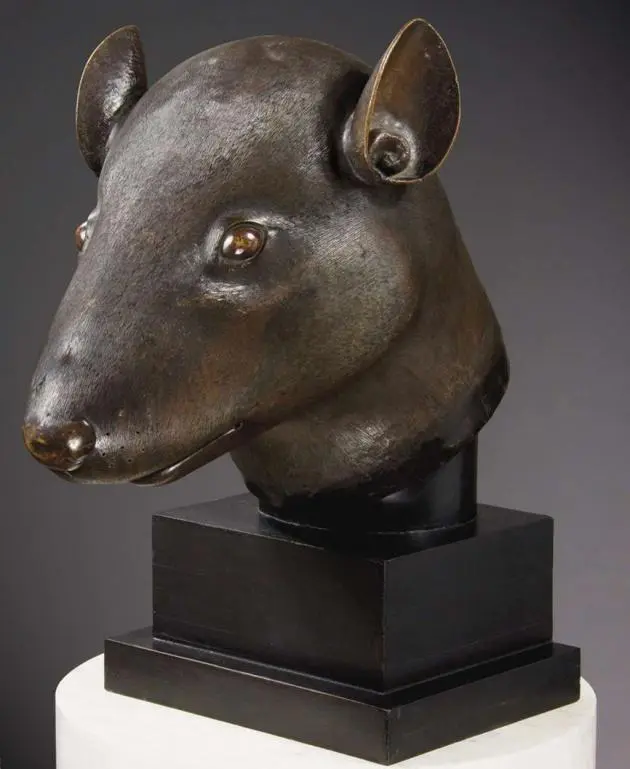
Two Qing Dynasty bronze sculptures that were looted from Beijing’s Old Summer Palace are on their way home. French billionaire Francois-Henri Pinault will return the bronze rabbit and rat fountainheads to China later this year, ending demands by Chinese nationalists seeking their return from France.
The bronze heads were made for the zodiac fountain of Emperor Qianlong’s Old Summer Palace, and looted when the palace was burned by invading French and British forces in 1860. Heads of the 12 animals of the Chinese zodiac mounted on human bodies served as waterspouts, each head spouting water for a designated two-hour period.
Jackie Chan took on the hunt for the missing bronzes in his latest film, “Chinese Zodiac”, which showed the star kick-boxing his way around Western museums, and depicted evil auctioneers bringing the hammer down on similar treasures.
The bronze rat and rabbit heads are owned by the Pinault family – the majority shareholder of PPR, whose brands include Gucci, Yves Saint Laurent and Puma. Francois-Henri Pinault, CEO of PPR, promised the donation on behalf of the family, which also owns auction house Christie’s.
To date, five of the 12 bronze fountainheads from the Old Summer Palace have been returned to China through purchases in auctions or donations by overseas Chinese collectors.
According to the Chinese Cultural Relics Association, more than 10 million Chinese relics were taken from the country between 1840 and 1949, a large number of which are now at major public museums in Europe and the US.
The number of relics plundered from the Old Summer Palace alone is estimated at about 1.5 million, now housed in more than 2,000 museums in 47 countries.
The majority are on show in the British Museum and the Fontainebleau Art Museum in France, say experts.
China has been actively seeking the return of overseas relics during the past decade through purchases at international auctions, donations by private collectors or overseas Chinese, and increasingly through diplomatic means based on international conventions.
