
Lessons in the contemplation of death


Play
In the praying course at the Chern Tawan International Meditation Centre - sessions at the beginning of the month for Thais and the middle of the month for foreigners - training in the mindfulness of death is indispensable.
It’s called “remembering death with mindfulness”. This practice itself is known as morananussati or moranasati – both meaning “mindful of death”.
Why must we be mindful of death?
Because death can come to us anytime, and death is the final fact that every life must inevitably face. The only way to respond to death is to face it beneficially, not with fear, which is all too common around the world.
Facing death with mindfulness will change the face of death completely because death will no longer seem a threat to life or even the final chapter of life. Instead it becomes a great lesson in life. Rather than the end, death can be a beautiful beginning, an awakening to the ultimate truth of life.
In other words, by facing death with mindfulness, appropriately, it can be an awakening.
In our Buddhist culture, some people can be advanced in the mindfulness of death that they can even set the time of their own death. They pass away peacefully, just like the Lord Buddha, who announced the day of his parinibbana three months in advance and abandoned his earthly body gracefully, or the vipassana masters who prepare fully for death and depart fully awakened.
They benefited from their lives so completely that, even in the final moments, they gained substantially more in wisdom and spirit.
Someone who is close to death should not practise mindfulness of death. It should be done every day, the more the better. We can be reminded of death many times in a day. In the Holy Scripture the Lord Buddha advised us to be mindful of death with every breath we take.
Mindfulness of death allows us to live without negligence or obsession, without overindulging in rank, wealth, authority, fame, sex or opulence. Greedy people intent on accumulating wealth can be awakened with the thought that “In death, not a bit of wealth can be brought along”. Being so reminded, they can lay aside the excess and choose to collect only what is essential to life, opting to do what really benefits them and not wasting their limited time with nonsensical pursuits.
Few people want to be reminded of death. They regard it as an inauspicious topic, not worth thinking about, not even mentioning. Anyone talking about death is viewed as being out of time and place, not knowing what comprises decent conversation. As a result of this avoidance of fact, when the time for dying arrives, there is dismay and confusion about how to handle the situation. When someone dies, such people can only lament, not knowing how to think or to behave. Attending the cremation ceremony, they derive no wisdom. They are merely attending by tradition, never realising what dharma death can teach them at such moments.
>>This is the first in a two-part series on the contemplation of death. See Part 2 next month.
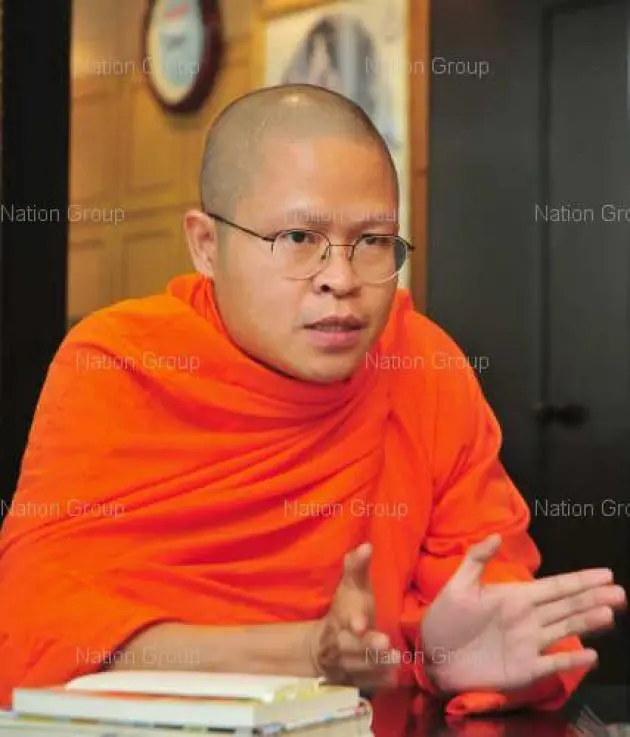
This column by prominent Buddhist preacher Phramaha Vudhijaya Vajiramedhi, better known by his pen name V Vajiramedhi, appears on the first Sunday of every month.
