
Asia Minor, major influence


Asia Minor, major influenceMore than a hundred artworks reflecting the magnificent history of Turkey aim to lift the veil on the mystery of Anatolian civilisation
Communication between China and Turkey has been going on for thousands of years, and an exhibition at Shanghai Museum is presenting examples and evidence of this.
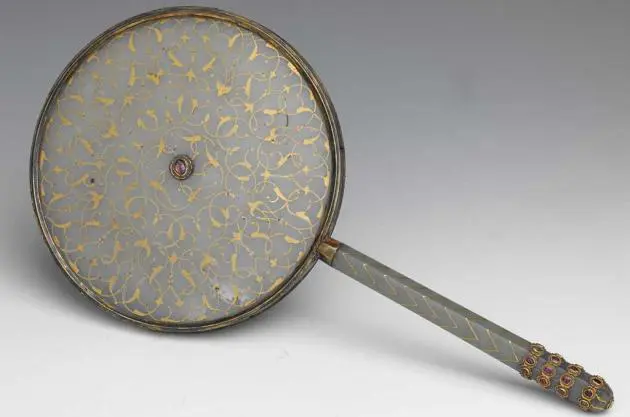
The exhibition “Anatolian Civilisations: From the Neolithic Age to the Ottoman Empire” presents 122 pieces from three acclaimed museums in Turkey. This is part of the “2013 Year of Turkish Culture in China” campaign.
The items have come from three institutions in Turkey, namely the Istanbul Archaeological Museum, the Topkapi Palace Museum and the Turkish and Islamic Arts Museum. “It’s the first time many of this pieces are being exhibited outside Turkey”, says Yao An, deputy director of Art Exhibitions China.
Both China and Turkey feature mixed cultural influences in their long history. The Silk Road connected China and Asia Minor, so trade and communication never stopped, says Li Zhongmou, deputy director of the Shanghai Museum.
China had a significant impact on ceramic development in Turkey, and the Islamic style is also widely present in China’s ceramic pieces since the 14th century, Li says.
In December 2011, the “Year of Chinese Culture in Turkey” kicked off with an exhibition of “Treasures from China” opened at the Topkapi Palace Museum in Istanbul, showing more than 100 items collected from 11 museums in the mainland, such as the Palace Museum, Shanghai Museum and Sha’anxi History Museum.
“The Chinese treasures exhibition was held in Istanbul only, and the Turkish show will be held in Shanghai alone, without touring to other places,” Yao says. A special project especially put together for the occasion, the exhibition is unlikely to go to other parts of the world, making the event an opportunity unusually rare for audiences in China.
Anatolia is a peninsula between Asia and Europe, known as “Asia Minor” by ancient geographers. The location provides a natural bridge between two continents and man first arrived here a million years ago, says Zeynep Kiziltan, director of the Istanbul Archaeological Museum.
The first part of the show features the ancient history of the Neolithic to the classical periods.
A decorative pot from this period, dating back to 5600 BC, is among the more than 60 pieces on exhibition in Shanghai from the museum.
This part also presents items that reflect influences from Persia, Greece, the Roman Empire and the East Roman (Byzantine) Empire. A marble head of Emperor Arcadius tells of the Roman influence in the 4th century.
The second part of the show features the rise of Islamic culture since the 11th century. Ancient copies of the Koran, a Koran stand and finely crafted Koran cases made of timber, ivory, mother of pearl and so on, are among the collection from the Turkish and Islamic Culture Museum.
The third part is from Topkapi Palace, the official residence of the Ottoman Empire, which arose from the Ottoman Emirate in Anatolia in the 15th century. The palace was a centre of administration, education and art in Istanbul for more than 400 years, before turning into a museum in 1924, says Prof Haluk Dursun, acting director of Topkapi Palace Museum.
