
Acute liver failure in chronic liver disease
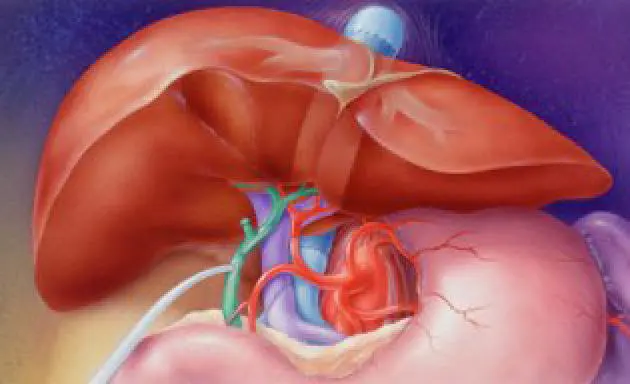


In a series of articles last year, we looked at liver disease and explained how, in the majority of cases, the chronic stage this is likely to prove fatal to the sufferer.
It’s an important subject as, in recent times, acute liver failure in patients with chronic liver disease has becoming increasingly common both in Thailand and elsewhere.
Data from 1,343 hospitalised patients with cirrhosis and acute decompensation collected between February and September 2011 at 29 liver units in 8 European countries show that 303 patients or 22.6% of patients had acute or chronic liver failure by the end of the study, while when the study began, only 112 patients had the condition. The condition causes a rapid deterioration in the functions of the liver in patients inflicted with chronic liver disease or cirrhosis. Acute liver failure is related to such contributing factors as infection and gastrointestinal haemorrhage leading to organ failure and death.
Acute liver failure occurs in patients with chronic liver disease within four weeks. The symptoms include jaundice of the skin and the eyes as a result of increased levels of bilirubin; swelling in the abdomen; fluid in the abdomen and abnormal blood clots, which lead to bleeding in the alimentary canal. These includes bleeding from oesophageal varices, bleeding in the stomach and or bruises on the body.
Acute liver failure causes the accumulation of waste in the body, which leads to swelling of the brain, increasing pressure in the skull, confusion, lethargy, altered level of consciousness and coma.
Acute liver failure also disrupts the functions of many organs and is likely to cause renal failure. Studies have shown that 30 to 40 per cent of patients with cirrhosis experience kidney impairment caused by an infection. As a result, the patient suffers from impaired blood circulation and low blood pressure, conditions that affect the functions of the heart and hormones. Finally, these symptoms lead to acute renal failure and the rate of fatality is between 50 and 90 per cent.
Significant contributory factors to the malfunction of the liver are the consumption of alcohol to the degree that it causes inflammation of the liver, taking medications that lead to inflammation of the liver, infections of hepatitis A, B and E, portal venous obstruction and inflammation of the liver caused by the blockage of the blood flow. Other causes of a dysfunctional liver include infection, bleeding from oesophageal varices and surgery.
Factors that help determine the progress of the disease include evaluation of the failure of organs, which can be observed in oxygen levels in the body, platelet count, bilirubin levels, blood pressure, Glasgow coma score, serum creatinine that reflect kidney function, or the volume of urine.
Treatment approaches for acute liver failure in patients with chronic liver disease are detoxification with Molecular Adsorbents Recirculating System (MARS), which uses albumin in the filtering of waste from the liver while the patient is waiting for liver transplantation. Patients with liver failure in its early stages may be treated with a liver transplant. However, patients with continuous renal failure in the advance stages may also need a kidney transplant in combination with the liver transplant.
Assoc Prof Teerha Piratvisuth is a specialist in liver and gastroenterology and Dr Chutima Kongchayanun specialises in gastroenterology and hepatology at Samitivej Sukhumvit Hospital. Call (02) 02 711 8181.
