
Ong-art plumps for level playing field in Thai Premier League


Play
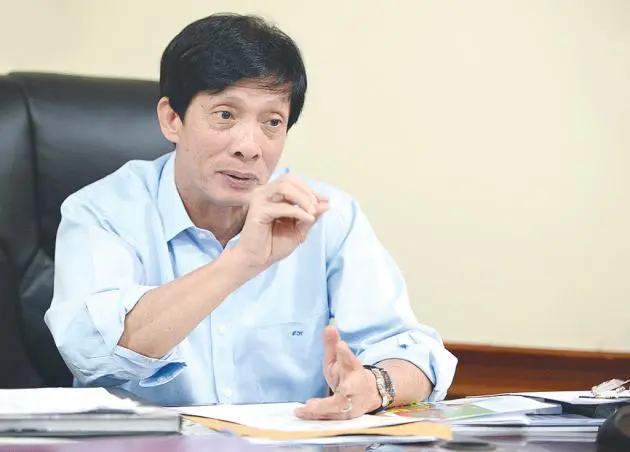
With the growth of the Thai Premier League showing no signs of slowing down, a "level playing field" is fundamental if the country's top-flight football league is to grow sustainably, according to new TPL chairman Ong-art Kohsinkha.
Having served as the secretary-general of the Football Association of Thailand for years, Ong-art succeeded Vichit Yamboonruang as the head of TPL Company, the league’s organising body that oversees the country’s top two divisions, TPL and Division One.
No one seemed more suitable than Ong-art for the post. But, to manage the league, which is currently estimated to have a combined value of around Bt2 billion, is a daunting job even for a man of his experience.
The already tricky job has been made even more challenging, given TPL’s expansion from 18 to 20 teams for the upcoming season, which will kick off this weekend. It is the second time in four years that the league has expanded. But, the decision to increase the number of teams this time came as the result of the FAT’s resolution to solve the Sisaket FC case after the northeastern club was unable to compete in the league last term following a dispute over its ownership.
Though Ong-art says the transition to the new post was almost seamless, he admits to concerns over managing the fast-growing league, which not so long ago saw matches played in almost deserted stadiums.
“In my previous job, I worked in the FAT management as a board member. As a secretary, I had the opportunity to work with Vichit. I’m quite familiar with this work,” Ong-art told The Nation in an exclusive interview.
“But it’s quite tiring, because we made several policy changes on issues such as the stadiums, lighting and venue safety. We had only a short span of time from the end of last season to implement all these things.”
Asked what was his priority in managing the league, Ong-art said he would try to create a “level playing field” in the TPL following allegations that the competition had been organised in favour of a certain club.
“I want to see teams compete on a level playing field. The competition should be all about football. I want to develop the league just like the country, as we all want to see it prosper and enjoy sustainable growth. We need to make all clubs have a belief in our work by making them feel equal.”
The growth of the league, thanks mainly to the much-improved TV deal, is clearly reflected in the budgets of the top-flight clubs. A few seasons ago each team had an average budget of Bt20 million, but for the new season many of them got close to Bt100 million. Given such an astonishing pace of growth, many are concerned that the TPL is growing too fast.
Ong-art reckoned that this is possible, putting the TPL at risk of suffering a “bubble burst”. However, he believes equality is the key to ensuring sustainability of the league.
“It’s only six years since the inception of the league. We still have a lot of room for improvement, especially in the mentality and attitude of the players, fans and even the club officials. We need to make adjustments in order to keep pace with the changes in football.
“I fear that one day the bubble will burst if those involved do not work sincerely and in an ethical manner. I believe if we could not create a level playing field, no fan would come to watch the match and then there would be no sponsors. So, we need all the stakeholders to help on this front.”
Considering that refereeing performance has been a constant source of dispute among fans and clubs, Ong-art acknowledges it was a pressing issue that needed to be dealt with urgently as he prepared to introduce a number of new measures to improve the officiating standards.
“We’ll use a ‘carrot and stick’ approach with both incentives and sanctions for our referees. We will set up a monitoring and reviewing process as well, in which the referee would be evaluated after the match. We also need to increase the number of referees in order to have more choices for officiating each game.”
Critics say the TPL has been dogged by violence both on and off the field because the league did not act strongly enough in tackling the problem. Ong-art, though, warned that troublemakers would face tougher punishment.
“We made some amendments to the regulations. In some articles covering incidents like assaulting the referee or an altercation on the pitch, we made the sanctions tougher.”
While satisfied with the progress of the league over the past few years, Ong-art believes it will take up to three decades before Thailand could become one of the leading countries in the continent.
“In terms of popularity of the league, we’re second to none, even better than J-League. However, it will take a long time, not less than 30 years, to upgrade the standard of our league. The first thing to do is to build real football stadiums. Many stadiums we currently have were built for multi-purposes. If we can build one stadium in two years, it would take 30 years to get 15 stadiums. The stadiums would generate a huge income to help the clubs grow further.”
