
Heritage building to become Peninsula Hotel
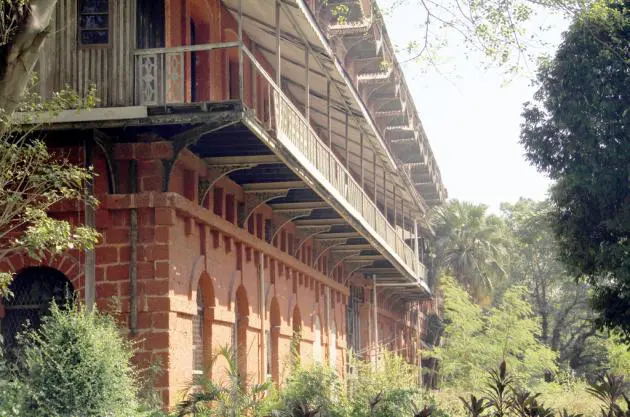


The former Burma Railway Co headquarters will be redeveloped as a hotel, the Peninsula Yangon, according to Yoma Strategic Holdings, which will implement the project.
“It is an iconic building in Myanmar – it had such a huge impact on the country’s transportation industry,” says chairperson Serge Pun. “I envisage the building being restored to its original design, with care taken to use high-quality construction materials and traditional handiwork. My desire is to bring the glory back to the building so it will once again be a place where people can come and celebrate their special and memorable occasions.”
Yoma recently signed an agreement with Hongkong and Shanghai Hotels Ltd (HSH) to transform the colonial building into a hotel.
“We believe that working with one of Asia’s most established hotel owner-operators and the creator of world-class experiences will be invaluable in restoring the building to its former glory, as well as bring to Yangon a new luxury experience,” Pun says. “It is a privilege to be part of this endeavour.”
The agreement, subject to conditions and approval, would see the heritage building, which dates from the 1880s and is one of the oldest existing colonial buildings in Yangon, redeveloped and restored.
HSH managing director and chief executive officer Clement KM Kwok considers Myanmar one of the world’s most exciting emerging markets.
“We see good potential in this market as a luxury travel and tourism destination. We are delighted to partner with Yoma, who share our long-term vision for the success of this project and have a proven track record of successful investments in Myanmar,” says Kwok.
Archaeologists welcome the restoration of the building but express concern over the depreciation of historical value. “Restoration of an old, unused historical building is good, but we should respect the value of historical design and architecture. The developers should maintain the original structure and designs when renovating it,” says Kyaw Myo Sett, senior lecturer in Yangon University’s Department of Archaeology.
The building is at the corner of Sule Pagoda Road and Bogyoke Aung San Road – the former capital’s central business district – adjacent to the tourist attraction known as Bogyoke Market (Scott’s Market). It was built as the headquarters of the state-run Burma Railways, which in 1896 became a private firm leasing the railway system from the government.
It was the largest commercial undertaking in the country and the railway system did much to facilitate trade and open up access throughout the country then known as Burma. During the colonial period, administration of the national railway system was controlled from the building. In 1992, when the building served as an office for the Ministry of Railways, Serge Pun & Associates (Myanmar) Ltd signed a 30-year lease on the building. Since 1994 the building has been empty.
Plans were made to convert the premises into a high-end office complex with a coffee shop, bakery and garden teashop on the ground floor, but these were shelved due to the Asian financial crisis in 1997.
