
The Bulleit you don't want to dodge


You'll gladly take a "shot" of this Scots-aged American bourbon when it arrives in Thailand
Whiskey fans in Thailand will have the chance to taste the Bulleit Bourbon when it hits the shelves here early next year. In Scotland recently we met Tom Bulleit, the great-great grandson of Augustus Bulleit, who invented the stuff, and gradually persuaded him to give us an advance sip.
What’s the Bulleit like?
Our bourbon is a little different from the Tennessee whiskies you already have in Thailand. It’s Kentucky “straight bourbon”, still made from my great-great grandfather’s recipe, which is two-thirds corn and one-third rye.
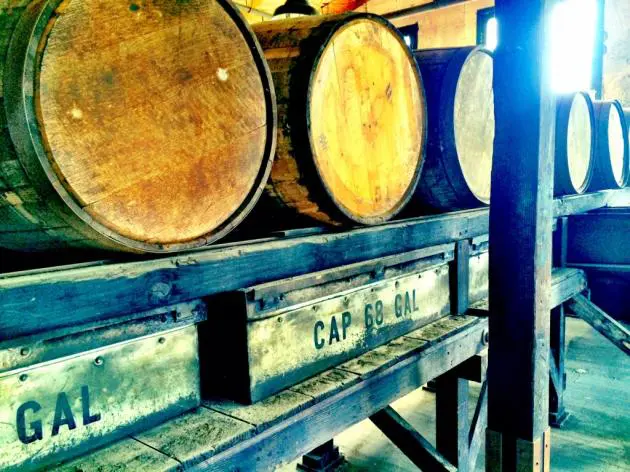
It’s aged for six to eight years in new, white, American-oak casks – it has to be by law. We only use the barrels once, and they come here to Scotland. About 90 per cent of Scotch is aged in bourbon barrels. It’s not blended, so it’s a bit like single malt in that regard.
Why is new oak so important?
It does a couple of things. When we make bourbon, we can’t add anything – it’s an agricultural product. It has to contain just corn, rye, malted barley, yeast and limestone-filtered water – and another ingredient is the barrel itself.
The caramel, dark-brown colour of the bourbon comes from the barrel. We char the inside of the barrel with No 4 char, which is also called the “alligator char”. When you taste the Bulleit, you’ll find a vanilla sweetness to it, which comes from the sap of the wood, and of course from the corn. By the time it’s aged five and a half years, you’ll start to get this sweetness that comes from the barrel.
Who’s your target market in Thailand?
The typical customers would be people who are little bit older than the legal drinking age. A 20-year-old might be experimenting with different things and this would be sort of a step up from entry level, because it’s premium bourbon. So I would imagine, in a bar or cocktail bars, our customers would be 25 to 35, but we will also pick up another group a little older, in their 40s.
Who are your primary customers in the US?
Bourbon – and whiskey in general – is consumed pretty much all across the board. But 30 per cent of the people coming into the bourbon-consuming category are women, because the Bulleit is drier, and it appeals more to a scotch palate, but it’s a little sweeter than scotch, and I think it has something to do with the cocktail culture.
Making a drink with whiskey is a little bit different. If you make a cocktail with vodka, you’re making up a new taste, whatever taste you want it to be, but when you’re mixing bourbon, you want to add ingredients that accent what’s already there, that brings forward the taste of the whiskey.
The Bulleit comes in an unusual bottle.
We wanted to be able to see the whiskey because it has such a beautiful colour. We also wanted it to look different from all the bottles designed in the ’90s, and we wanted the bottle to reflect the brand’s heritage.
The bottle we see now is similar to the bottle that Augustus, my great-great grandfather, was using when he was distilling the whiskey in 1840. He would have sold the bourbon by the barrel to inns and taverns. And he would use these bottles made in Pennsylvania as back-bar decanters.
Back then people used bottles with the names of the products embossed on the glass. They had labels as well, but they weren’t very good, so it’s good to have the name actually on the glass like that. We apply the label a little crookedly because, historically, labels wouldn’t have been die-cut to fit the shape of the bottle, so they would have looked a little crooked.
What’s the bourbon trade like in the US?
They’re all family businesses. All American bourbon started with family recipes, and everyone knew each other. We grew up in an environment where everyone knew about bourbon, everybody talked about bourbon and it really became part of your life, became who we were. The most marvellous thing is that we’re all good friends, even though we’re in competition with each other.
