
A fond farewell to the boy in orange


Play
Masahsi Kishimoto to publishes the last manga focusing on Naruto
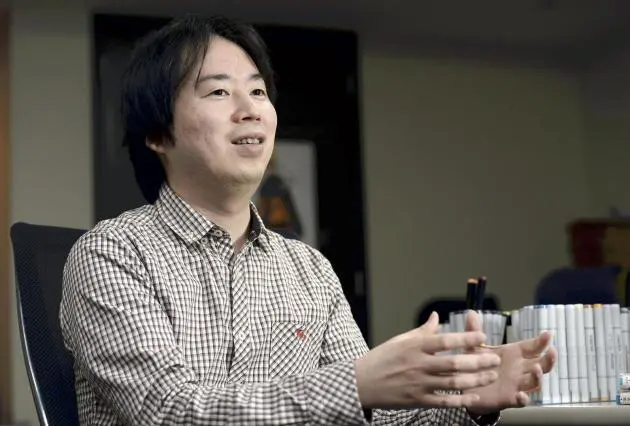
After several years of devoting his time to creating the popular boy hero Naruto, Masashi Kishimoto is taking a well-earned break. The 72nd and final volume of his comic book was published by Shueisha last month, about three months after its final instalment was appeared in the Shonen Jump weekly manga magazine.
“I’m so grateful [to ‘Naruto’] for having helped me become a mangaka,” says Kishimoto of the work, which ran in the magazine for 15 years. The comic has sold more than 200 million copies.
“Running the series in the weekly magazine was really tough, but I always felt so happy to see fans enjoy reading the work,” he says. “I was able to endure hardships because I believed I was there” to entertain the readers.
Apprentice ninja Naruto undergoes training to become a hokage, which means fire shadow, the leader who governs a village of ninja.
But when Naruto tries to follow fellow trainee ninja Sasuke, who has left the village to seek revenge against his elder brother, enemies attack him. He never gives up training and never gives up hope of bringing Sasuke back home one day.
In addition to secret ninja skills and supernatural arts, the manga also incorporates feats such as conjuring a giant toad and reviving the dead. It is a battle manga full of powerful action.
While “Naruto” tackles major boys’ manga themes such as “friendship, trying your best and victory”, it also reflects the author’s inner changes, giving it greater depth.
Naruto is a character without parents because the author “did not understand how parents feel about their children” at that time.
However, after he got married and had a child, he naturally began to understand the feelings of a parent.
“It may sound selfish, but I gradually came to hope Naruto would understand the feelings of his parents,” he says. As a result, Kishimoto would have Naruto’s deceased mother appear in the character’s mind when he was in great trouble.
With his blond hair, blue eyes and orange outfit, Naruto drastically changed the conventional perception of the ninja entirely clad in black with a hood.
When “Naruto” was turned into an anime in 2002, Kishimoto was already reaching global audiences. He asked Tetsuya Nishio, who was involved in the making of the internationally popular anime film “Jin-Roh”, to design the characters. The anime has been broadcast in more than 60 countries.
“I felt so happy to see the unique medium of manga was so well received overseas,” Kishimoto says.
But his career as a mangaka has not been so smooth.
In 1996, he received an honourable mention in Shonen Jump’s Hop Step prizes for up-and-coming manga authors, when he was still in university. But he was not given the chance to work on his own serial for quite some time.
To study manga all over from scratch, he learned how to write scripts, borrowing the techniques of hippari (dragging the story) and tame (taking time to wait for the right moment) from novels and films. It was through such efforts that he created “Naruto”.
In the last instalment, Naruto finally becomes the much-admired Hokage and is blessed with a baby. A sequel film to be released this summer will star his son, Bolt.
