
Dance with rules


Play
Chinese cultural authorities aim to keep square-dance grannies in line
In China, few activities escape the watchful eye of the state, and soon that will include square dancing.
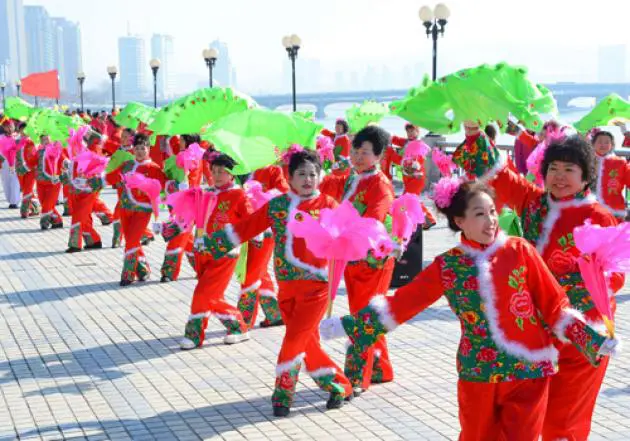
Ever-growing numbers of enthusiastic dancers – usually “damas”, or elderly women – have gathered on the street corners in recent years to gyrate in unison.
Often clad in matching outfits and wielding fans or other props, they gather around dinnertime, performing choreographed moves to sometimes thumping dance music piped through a portable boombox – or even a live band.
Complaints over the noisy music and even pictures of Chinese grannies occupying sites such as New York’s Sunset Park and the square in front of the Louvre in Paris, have made headlines in the past year.
The phenomenon of Chinese square-dancing, which is known for generating widespread public complaints about loud music, will be regulated and choreographed by China’s sports and culture authorities.
Last Monday, to regulate and promote square dancing, the General Administration of Sport of China and the Ministry of Culture introduced 12 choreographed practises.
“Square dancing represents the collective aspect of Chinese culture, but now it seems that the over-enthusiasm of participants has dealt it a harmful blow with disputes over noise and venues. So we have to guide it with national standards and regulations,” says Liu Guoyong, chief of the General Administration of Sport of China’s mass fitness department.
Choreographed by an expert panel of dancers and fitness trainers, the 12 square-dancing drills will be introduced to local fitness sites in 31 provinces and municipalities in the next five months. Authorities will continue collecting dance ideas from the public this summer to create more official drills.
More than 600 instructors for the 12 drills have been trained by the panel led by fitness trainer Wang Guangcheng, whose square-dancing team rocked |the stage of China Central Television’s Spring Festival Gala in February.
“All the negative comments on square dancing are about reckless practising without caring about the public benefits. The unified drills will help keep the dancing on the right track where they can be performed in a socially responsible way,” said the 29-year-old.
Some urban dwellers have complained that the elderly groovers blast their music until late at night, disturbing the peace and quiet of local residents.
In the central city of Wuhan, a simmering dispute between enthusiastic damas and their irritated neighbours made headlines in 2013 when the residents threw coins, rocks – and ultimately, faeces – at the group in a bid to make them stop.
Last year, photos of a group of middle-aged Chinese women performing a square dance routine outside the Louvre in Paris set off a debate over whether the pastime had gone too far. A video of several women attempting to perform a square dance on board a crowded passenger train in China went viral last year, sparking further controversy.
However, the sports and culture authorities have not yet worked out detailed standards including the recommended volume of music, permissible times for practise and prohibited sites for dancing, said Zhou Guanglian, deputy director of the public cultural affair department of the Ministry of Culture.
