
How to deal with heartburn


Play
Thailand is known for many things, not least of which is its extraordinarily complex, and often spicy, fatty foods.
While all that rich, fatty food is fine for your average teen or 20-something, unfortunately, as the body ages, so does the digestive system.
These foods that are particularly taxing for the body to break down suddenly begin to cause more problems as we age. As a result, a Thai-style feast can cause some rather nasty after-effects.
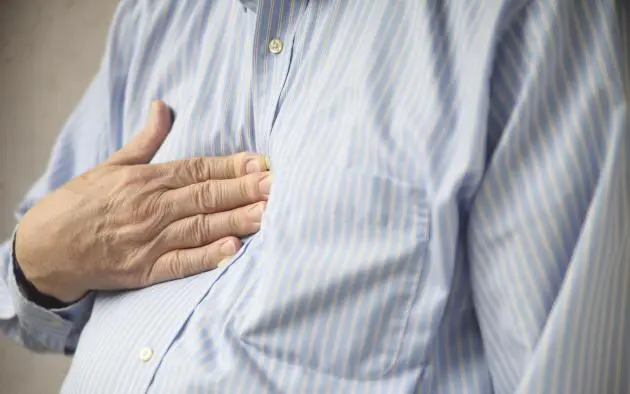
Heartburn manifests as an unpleasant burning sensation in your chest, usually within a few hours of eating or at night. The pain underneath your breastbone often worsens when lying down. It occurs when stomach acid flows back up the oesophagus instead of staying where it belongs. Normally, in a healthy, fully-functioning body, the lower oesophageal sphincter closes to prevent acid from heading back up the throat when food enters the stomach. When these muscles weaken, however, the throat is exposed to splashes of acid, causing the unpleasant burning sensation. Lying down often makes it worse.
Spicy or fatty foods can be particularly problematic, especially if consumed in large quantities. Fried foods, raw onions, citrus and chocolate are also troublesome. Additionally, coffee and alcohol can significantly worsen the symptoms.
Occasional heartburn is normal after a certain age and is nothing to worry about. However, if you are experiencing heartburn on a frequent basis (for more than 2-3 weeks or more than 2-3 days per week), it might be worth consulting your doctor. Heartburn that happens very regularly is known as Gastroesophageal Reflux Disease or GERD, a serious condition that can do lasting damage to your oesophagus if left untreated.
Heartburn and GERD can cause serious discomfort, especially to individuals who suffer from one or both on a daily basis. These conditions occur when the lower oesophageal sphincter muscle weakens and no longer closes properly. In a healthy digestive system, the lower oesophageal sphincter opens to allow food and liquid into the stomach, then closes again to prevent corrosive acid from seeping up into the oesophagus. When acid enters the oesophagus, it causes a burning sensation in the chest area. GERD especially, is not only physically painful, but can also cause lasting damage if not dealt with over a long period of time. Many individuals experience some degree of heartburn, especially as they age. Here are a few things you can do to avoid and hopefully minimise symptoms.
Don’t wear tight-fitting clothing, especially around meal times. They may be stylish, but clothes that are too tight can put extra pressure on your abdomen.
Don’t lie down right after eating. It’s sometimes tempting to lie down for a short snooze after a big meal. If you’re prone to heartburn though, it would be much better to stay upright for at least the next few hours. Lying down can send even more stomach acid up the oesophagus, significantly worsening symptoms. A better idea would be to go for a gentle 15-minute walk. Walking will help you digest your food more quickly and also boost your metabolism slightly.
Don’t eat right before going to bed. Late-night meals should also be avoided whenever possible. It is very important for you to have at least three hours to digest properly before hitting the hay. That means if you plan to be in bed by 10, you should start dinner no later than 6 and finish eating by 7. It’s also a very good idea to make your evening meal a lighter one, so your body has less to digest before going to bed.
Don’t smoke. There are dozens of good reasons to either avoid smoking or quit altogether. Another good reason not to smoke, even occasionally, is that smoking damages the functioning ability of the lower oesophageal sphincter and increases acid production.
Stay away from trigger foods. Certain foods are notorious for causing heartburn. If you suffer regular symptoms, stay away from spicy foods, tomato products, highly acidic foods especially citrus fruit and juice, onions, chocolate, peppermint, alcohol, coffee, carbonated beverages and fried or fatty foods.
Eat multiple smaller meals. A big, heavy meal can be a challenge for your body to process all at one time. Instead of feasting in the evening, enjoy smaller meals and snacks at regular intervals throughout the day. It’s better for your metabolism and easier on your digestive tract.
Maintain a healthy weight. Weight reduction is recommended in those who are overweight, calculated by BMI. Moreover, too many kilos of food in your abdomen put pressure on your stomach, forcing acid back up into the oesophagus.
Elevate your head when you sleep. Many people experience heartburn late at night or when sleeping, due to their sleeping position. Try raising the angle of your head and torso by putting a wedge between your |mattress and the box spring. You can also sleep with extra pillows, but this may not be quite as effective. If this is a really big problem, there are also beds that make it possible to elevate the mattress to a comfortable sleeping position.
The last two suggestions above are the most |significant life style modification to reduce GERD.
DR PITULAK ASWAKUL is a Specialist in Gastroenterology and Hepatology at Samitivej Sukhumvit Hospital. Call (02) 711 8822-4
